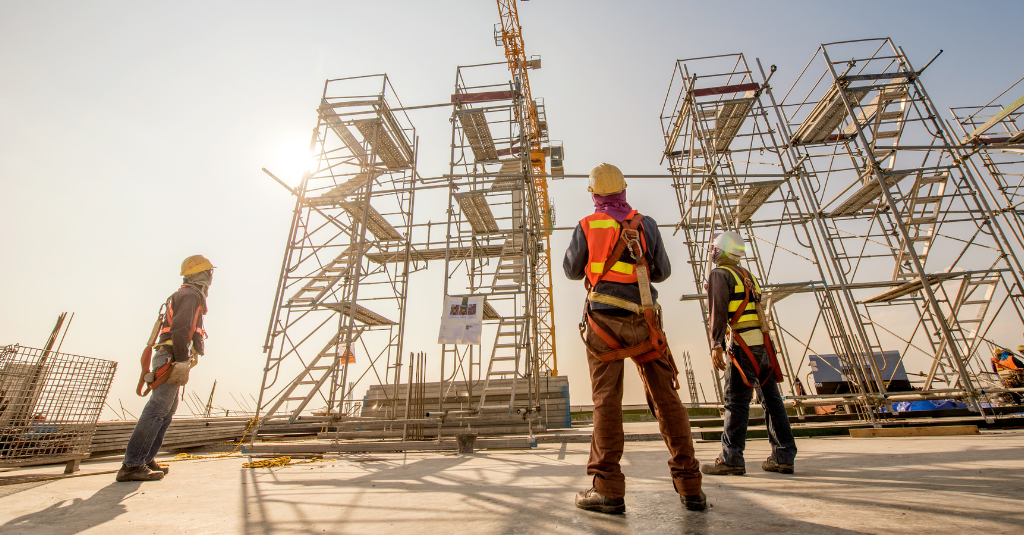
Construction Projects Are Getting More Complex
Modern construction is characterized by pressure: tighter deadlines, shrinking budgets, and increasingly complex project scopes. Add to that navigating strict safety standards and coordinating stakeholders across varied locations.
All of these highlight the need for real-time collaboration and faster decision-making on job sites.
As such, traditional devices and manual workflows are rendered almost obsolete, with rugged tablets emerging as a reliable, practical solution that equips construction teams with the technology needed to stay productive, connected, and accountable in demanding environments.
Why Construction Teams Need Purpose-Built Modern Technology
Construction sites have always been high-risk, harsh environments. Dust, vibration, weather exposure, and frequent handling make them unsuitable for regular consumer devices.
They are also fast-paced, making paper-based tools outdated. Without improved tech, approvals are delayed, and the risk of errors increases.
Purpose-built rugged tablets address these limitations by giving teams instant mobile access to drawings, plans, approvals, checklists, and real-time project data. With everything available on-site or in the cloud, accountability improves, response times shorten, and decisions can be made without leaving the job site.
Key Industry Shifts Driving Tablet Adoption in Construction
Worker Shortages and Productivity Demands
Labor shortages are forcing construction teams to do more with fewer workers. As such, productivity and efficiency are prioritized.
Rugged tablets support faster onboarding, on-the-job training, and task coordination because the tools are directly at the workers’ fingertips. With them, data is collected in real time, leading to better progress tracking, productivity, and resource allocation.
Rise of Contract and Distributed Workforces
Contract workers have varied experience, skills, and training. Rugged tablets help standardize on-site training, safety compliance, and time tracking.
For example, workers can easily access safety protocols, submit timesheets, and log hours, while managers get better visibility into payroll and workplace data.
Always-On Collaboration
Since teams usually manage projects dispersed across locations, rugged tablets can be a reliable bridge. Engineers, inspectors, and project managers can work remotely and still be together online.
Rugged tablets keep them connected to collaborate, with access to plans, approvals, and other pertinent information.
Evolving Methods and Processes
BIM, modular construction, offsite fabrication, and sustainable design have transformed work sites and how projects are finished. As such, constant access to data and updates is needed.
Rugged tablets allow teams to view BIM models, monitor updates, and align on changes directly.
What to Look for in a Construction-Ready Rugged Tablet
Not all rugged tablets are created equal, nor are they suitable for construction. Key features to look for include:
- Long or hot-swappable batteries to support overtime or extended shifts
- Sunlight-readable and large displays to ensure usability in the field
- Drop-tested durability, dust, and water resistance (MIL-STD-810H certification, IP65-68)
- Adaptability to straps, ports, and other mounts
And of course, there should be sufficient performance, meaning capable RAM storage, connectivity, and OS compatibility with other systems and platforms.
Benefits of Rugged Tablets in Construction Sites
Construction-ready rugged tablets deliver concrete results that make investing in them worthwhile.
For example, they help teams cut down on paperwork and increase productivity because workers can log updates as they happen instead of writing down and re-entering later. Communication is improved as teams have easy access to each other.
Security can also be enhanced, depending on the device. Some devices have encryption, biometrics, and remote wiping that help protect sensitive data if a tablet is lost or stolen. Safety in the workplace is supported by workers’ access to the latest plans, checklists, manuals, and other training materials.
Example of a Rugged Tablet Built for Construction Environments
Regular, consumer-grade tablets may not be suitable for the demands of construction. What teams need is a purpose-built device, like the Getac UX10, which is designed for the realities of the job site.
It can withstand dust, moisture, drops, vibration, and extreme temperatures, all potential conditions of the construction site. It has a sunlight-readable, glove-capable touchscreen, making it suitable for outdoor use. It also features long-lasting, hot-swappable batteries that ensure extended operation.
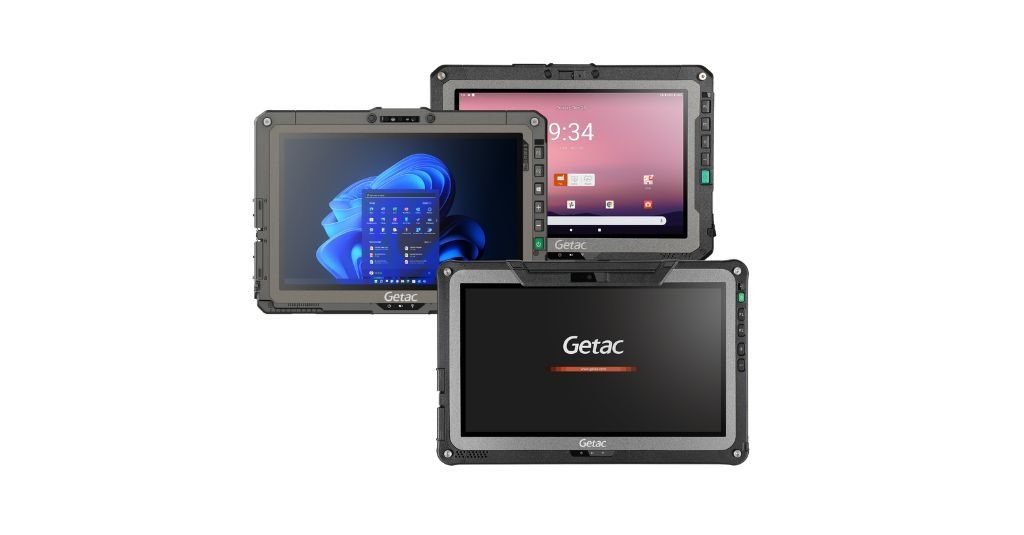
And like other Getac tablets, it’s compatible with BIM software, project management platforms, and legacy systems, meaning it works with everything teams may need to get their job done efficiently.
Why Rugged Tablets Are Becoming an Industry Standard
While rugged tablets cost more than the usual consumer devices, the cost savings from increased efficiency, productivity, safety, connectivity, and continuous workflow are worth it. They give construction teams a competitive edge.
As the industry evolves, technology enables teams to keep pace. Rugged tablets can play a vital role in improving how construction sites operate.