Night vision and thermal rifle scopes have become key tools for hunters and security professionals. These devices allow clear sight in low light or complete darkness. In 2026, demand grows as more people hunt at night or monitor properties after dark.
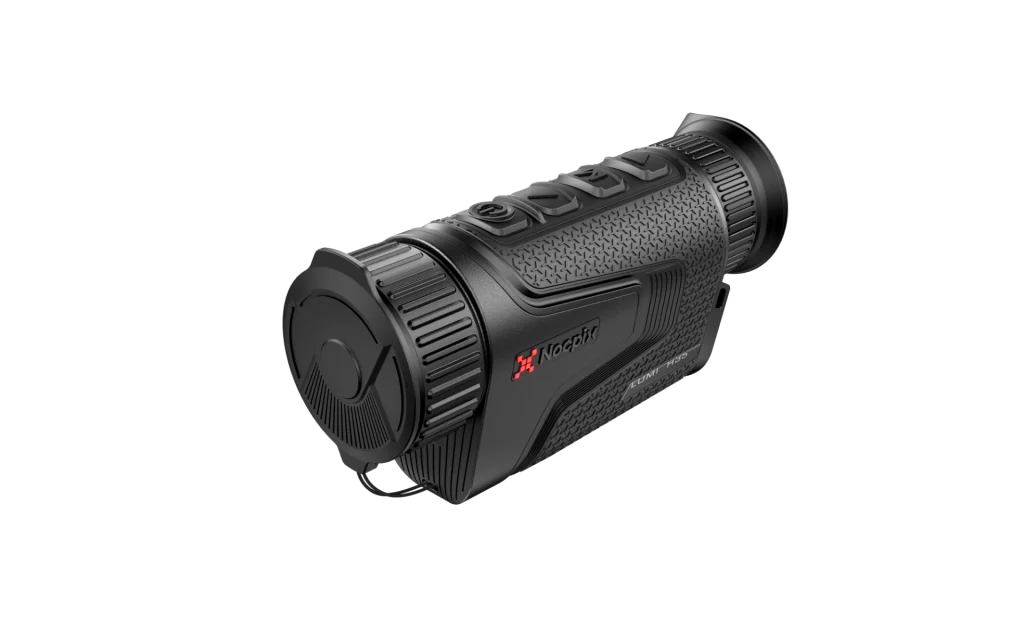
Hunters face issues like coyotes or hogs that move mainly at night. Security teams need to spot intruders without lights. A good scope changes that. For example, the Nocpix night vision scope provides clear views in mixed light conditions. Meanwhile, thermal rifle scopes detect heat to find targets hidden by brush or fog.
Benefits of Night Vision and Thermal Rifle Scopes
Night vision scopes amplify available light from the moon or stars. They create a green or black-and-white image that shows details like shapes and movement. Thermal scopes work differently. They pick up heat from animals or people and show it as bright spots on a screen.
One major benefit comes in hunting. Hunters can spot game in total darkness. For instance, a thermal scope reveals a deer behind tall grass because it shows the animal’s body heat. This leads to safer shots and fewer misses. In security, these scopes help guards see threats without alerting them. No need for flashlights that give away positions.
- Improved Safety: Users avoid accidents in dark areas. Hunters navigate rough terrain without tripping. Security teams identify risks early.
- Better Accuracy: High magnification and clear images allow precise aiming. Some models include rangefinders to measure distance.
- All-Weather Use: Thermal scopes cut through fog, rain, or smoke. Night vision works well in starlight but needs some ambient light.
- Extended Range: Modern scopes detect targets over 1,000 yards away. This suits long-range hunting or wide-area surveillance.
These tools also save time. Hunters spend less effort tracking animals during the day. Security operations run smoother at night. Models like the Nocpix night vision scope offer digital features for recording footage. This helps review events later.
Thermal rifle scopes stand out for predator control. Farmers use them to protect livestock from wolves or coyotes. The heat detection ignores camouflage, making hidden animals visible.
Challenges of Using Night Vision and Thermal Rifle Scopes
Despite their strengths, these scopes have limits. Users must understand them to avoid frustration.
First, cost poses a barrier. Quality thermal rifle scopes often exceed $2,000. Night vision options start lower but add up with accessories. Not everyone can afford top models.
Battery life creates another issue. Thermal scopes drain power quickly due to sensors and screens. A full night hunt might require spare batteries. Cold weather shortens runtime even more.
Depth perception can trick users. Thermal images show flat heat maps, making it hard to judge distances in brush. Obstacles blend in if they match background temperatures. Night vision offers better detail but struggles in pitch black.
- Environmental Factors: High humidity blurs thermal views. Hot days cause false signals from warm rocks. Direct sun can damage sensors if pointed wrong.
- Weight and Size: Many scopes add bulk to rifles. This tires users during long carries. Compact models help but often cost more.
- Learning Curve: New users need practice. Adjusting settings for conditions takes time. Misuse leads to poor performance.
- Legal Rules: Some areas restrict night hunting with these devices. Check local laws before use.
Maintenance adds work. Dust or water can harm lenses. Regular cleaning keeps them functional. Recoil from powerful rifles might shift alignment over time. Users must re-zero scopes after heavy shooting.
In urban security, glass windows block thermal views. Heat does not pass through, so indoor threats stay hidden. Night vision fares better here but still needs light sources.
Trends in Night Vision and Thermal Rifle Scopes for 2026
Technology moves fast in this field. In 2026, higher resolutions lead the way. Sensors now reach 1280×1024 pixels for sharper images. This quadruples detail from older 640×512 models. Users see finer features at longer ranges.
Integration stands out as a key trend. Many scopes now include laser rangefinders. These measure distance and suggest aim adjustments. Ballistic calculators factor in wind and elevation. This simplifies long shots for hunters.
Hybrid systems combine night vision and thermal. Fusion overlays heat data on detailed images. This gives the best of both: clear shapes plus hidden heat sources. Compact designs make them easier to carry.
- Lightweight Builds: New materials cut weight without losing strength. Scopes now fit better on rifles for all-day use.
- Longer Battery Life: Advances in power tech extend runtime. Some models last over 10 hours on one charge.
- Smart Features: Apps connect scopes to phones for data sharing. Users track shots and share videos.
- Affordable Options: Entry-level models improve. Good performance now comes under $2,000 for basic needs.
Brands like Nocpix push these trends. Their ACE S60R model uses a 1280×1024 sensor with a 60mm lens. It detects heat far out, ideal for open fields. The QUEST series offers binoculars for scanning wide areas.
Digital enhancements grow common. High refresh rates reduce lag in moving targets. Better noise reduction clears up fuzzy images in bad weather.
Security sees more use in drones and cameras. Rifle scopes adapt these techs for handheld use. Overall, 2026 brings tools that work smarter and last longer.
Final Thoughts
Night vision and thermal rifle scopes offer strong advantages for hunting and security. They provide clear sight in darkness, improve accuracy, and handle tough conditions. Yet, challenges like cost, battery issues, and environmental limits require careful planning.
Trends in 2026 focus on higher resolutions, integrated rangefinders, and hybrid systems. These make scopes more reliable and user-friendly. Models such as the Nocpix night vision scope and thermal rifle scopes meet these demands.