Definitions and Core Responsibilities
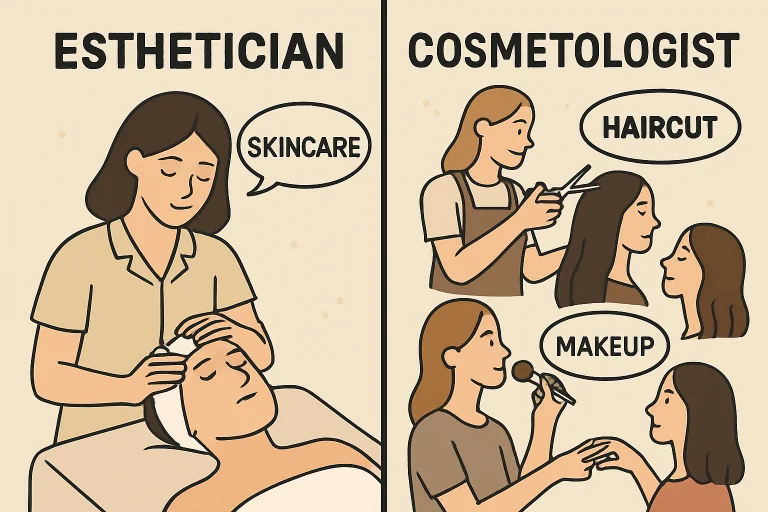
When exploring career options within the beauty industry, understanding the differences between estheticians and cosmetologists is fundamental. Estheticians are licensed specialists who focus exclusively on skin health, offering services such as facials, chemical peels, microdermabrasion, waxing, and more Esthetician vs. Cosmetologist. These professionals typically work in environments dedicated to skin wellness, such as spas, dermatology clinics, and medspas. In comparison, cosmetologists have broader training, offering services such as haircuts, styling, coloring, nail care, and makeup application. This versatility enables them to serve clients in salons, on fashion shoots, at weddings, and in theater or film settings. If you want to delve deeper into how each role aligns with industry needs and trends, visit this detailed breakdown on esthetician vs cosmetologist.
Cosmetologists’ comprehensive approach allows them to address multiple aspects of a client’s appearance. At the same time, estheticians provide specialized advice and treatments to improve one’s skin health, including identifying skin concerns and recommending targeted products. Both professions play crucial roles in helping clients look and feel their best, but the focus and scope of practice set them apart.
Education and Licensing Requirements
Pursuing a career as an esthetician or cosmetologist begins with formal education and obtaining the appropriate license for your state. Esthetician training programs usually require around 600 hours of coursework and hands-on practice Esthetician vs. Cosmetologist, focusing exclusively on skin care theory, facial procedures, sanitation practices, and anatomy. This education prepares them to identify and address diverse skin concerns, select appropriate product regimens, and safely execute specialized treatments.
Cosmetologists, on the other hand, must invest more time in their education, typically completing 1,000 to 1,500 hours of training. The curriculum includes hair science and techniques, skin and nail care, makeup artistry, business skills, and sanitation. Licensing exams for both roles involve written and practical components, ensuring professionals understand safety protocols and are prepared to provide quality services. Requirements can vary by state, so it’s essential to check the guidelines for where you wish to practice. For additional insights about regulations and licensing, the American Association of Cosmetology Schools (AACS) offers comprehensive resources.
Career Opportunities and Work Environments
Estheticians typically work in calm, wellness-focused atmospheres that encourage relaxation and personalized skin consultations. Day spas, medical wellness centers, and dermatology offices often employ estheticians to provide services such as customized facial treatments and advanced skincare therapies, building trust through ongoing client care.
Cosmetologists, in contrast, thrive in dynamic, fast-paced settings where multitasking is a must, such as salons and barbershops, fashion shows, weddings, and creative production environments. Their broader training enables them to offer multiple services in a single appointment, catering to diverse beauty needs and customer preferences. This variety also makes it easier for cosmetologists to pursue entrepreneurship or management positions within the beauty industry.
The career path one chooses will influence daily work life, opportunities for specialization, and even earning potential. For those seeking more details, the U.S. Bureau of Labor Statistics provides updated career outlooks in its Occupational Employment Statistics.
Salary Expectations and Job Outlook
Both estheticians and cosmetologists enjoy positive job outlooks, with the Bureau of Labor Statistics projecting above-average growth for both fields through 2032. Estheticians, classified as “skincare specialists,” can expect their employment to grow about 9%, while cosmetologists, including hairdressers and hairstylists, are projected to grow at 8% growth. Ongoing beauty trends and rising awareness about self-care and wellness fuel this strong demand.
When it comes to salary, several factors come into play: geographic area, level of expertise, workplace, and whether professionals are self-employed or work for a business. Estheticians may boost their earnings through advanced certifications and specializations, while cosmetologists can benefit from tips, retail commissions, or opening their own salons. For those considering entrepreneurship or niche services, understanding salary ranges in your state is essential for planning career advancement.
Industry Trends and Technological Advancements
The beauty industry is rapidly evolving, and both estheticians and cosmetologists must adapt to remain competitive. Technology is creating new opportunities, from virtual skin consultations and AI-powered skin analysis tools to digital booking and portfolio platforms. These advances make it easier for clients to access professional services and for providers to continue learning and networking within their fields.
Another significant trend is a stronger focus on sustainability and inclusivity. Brands are embracing eco-friendly formulations, reusable packaging, and cruelty-free production methods, reflecting heightened consumer awareness and ethics. The expanded celebration of diverse skin tones, hair types, and body shapes in media is also reshaping the work of beauty professionals, making representation and cultural competence increasingly important.
Choosing the Right Path: Factors to Consider
Deciding whether to pursue a career in esthetics or cosmetology requires introspection and research. If you’re passionate about skin care, wellness routines, and helping people achieve their best skin health, esthetics is a natural fit. Those excited by creativity across multiple beauty arenas, hair, makeup, and nails, may find greater fulfillment in cosmetology, where they can hone a broad skill set and pivot into roles as stylists, educators, or salon owners.
Consider your desired work environment, aptitude for client interaction, willingness to pursue ongoing education, and flexibility for entrepreneurship. Shadowing professionals and talking with career counselors can offer valuable perspectives before making a decision. Whichever path you choose, the beauty industry provides the opportunity to combine creativity with client care in vibrant, growing fields.
Conclusion
Estheticians and cosmetologists both serve integral roles in helping clients look and feel their best, yet their daily work, training requirements Esthetician vs. Cosmetologist, and career trajectories differ significantly. By understanding the distinct responsibilities of each profession and the trends shaping the beauty landscape, aspiring professionals can make informed decisions that match their skills, interests, and long-term ambitions. As innovation and diversity continue to enrich the industry, both estheticians and cosmetologists are poised to excel in a future where client well-being and creativity are valued more than ever.
This companion article expands the ideas you’re exploring right now at 2A Magazine.