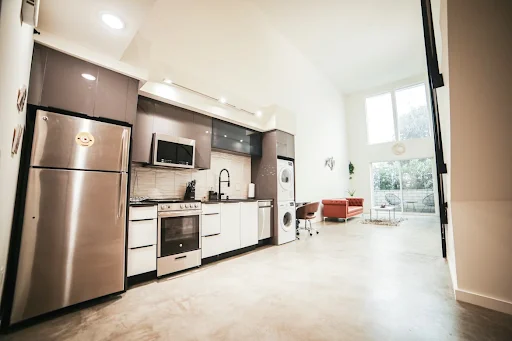
Small failures often hint at bigger patterns. A noisy spin, a tripped breaker, or a flashing error code can reveal how an appliance is aging Household Breakdowns. Read the clues right, and you can prevent costly repairs and keep your home running smoothly.
Why Appliances Break Before Their Time
Most breakdowns are not random. They come from repeated stress in the same places, like hinges, seals, bearings, boards, and heating elements. When one part fails, it often points to a condition that has been building for months.
Service experiences shape how people view reliability Household Breakdowns. A recent national satisfaction study noted that support was slipping, with sharper declines in service quality and problem resolution.
That means owners may feel appliances are worse than they are since the fix takes longer and costs more than expected.
What Your Fridge And Range Breakdowns Are Telling You
Refrigerators often start with seal issues, condenser dust, or fan noise. Each of these signals airflow or water problems.
If the interior warms up even a little, the compressor runs longer, which accelerates wear across the system. Ranges tell their story through inconsistent heat, slow preheats, or burner cutouts.
These point to failing elements, thermal sensors, or control boards overheating in cramped cabinets. Many homeowners seek brand-specific help, and turning to Melbourne specialists for ILVE appliances can save time Household Breakdowns. A pro who knows the layout and parts tolerances can spot a pattern that a generic checklist might miss.
Clicks, hums, and rattles are early warnings. A click may be a relay struggling to close under load. A hum can be a motor fighting bad bearings. A rattle often means loose mounts that will soon crack a housing or stress a wire.
Heat, Water, And Vibration – The Wear Triad
Heat makes plastic brittle and dries lubricants. Water corrodes connections and swells insulation. Vibration loosens screws and fatigues solder joints. Together, they turn a minor glitch into a cascading failure.
Laundry spaces and kitchens are harsh zones for electronics. Control boards near ovens or dishwashers bake slowly, and steam sneaks into connectors. That raises resistance and makes sensors read wrong, which triggers more stop-start cycles.
Control Boards And Sensors – Small Parts, Big Problems
Modern machines pack power components beside delicate logic circuits. When a high-load element spikes, it can scar a trace or weaken a relay. Later, the board fails under normal use and seems random to the owner.
Owners often blame the last part replaced Household Breakdowns, but the root cause may be upstream. A sticky door switch can force a motor to restart again and again, aging the triac or relay.
A recent customer satisfaction analysis highlighted worse experiences with service channels, which can mask these upstream causes when troubleshooting gets rushed.
Recalls And Safety – When A Fault Is Bigger Than A Fix
Sometimes a breakdown is not about age at all. It is a known defect with a safety risk. A 2024 federal recall notice reported more than a million slide-in electric ranges affected by a fire hazard, showing how widespread a single design issue can be if not addressed.
Another 2025 recall covered tens of thousands of dual-fuel ranges with infrared griddles for burn and fire hazards.
Recalls like these underline why owners should check model and serial numbers before assuming normal wear. If your symptom aligns with a listed hazard Household Breakdowns, stop using the unit and follow the recall steps right away.
Maintenance Habits That Stretch Lifespan
Good maintenance reduces the stress that drives failure. Clean condenser coils every 6 months, vacuum dryer vents quarterly, and keep at least a few centimeters of ventilation space around heat-producing units. Replace water filters and door seals before they harden or crack.
Use short habit loops so tasks actually happen. Pair coil cleaning with changing smoke alarm batteries. Put vent checks on the first weekend of each new season. These small routines keep temperatures and pressures in safe ranges.
- Vacuum refrigerator coils and toe-kicks
- Clear dryer lint paths from the drum to the exterior cap
- Inspect door seals and hinges for drag
- Reseat loose knobs and tighten mounting screws
- Wipe dishwasher filters and spray arms
When To Repair Versus Replace
Choose repair if the unit is young, the fault is isolated, and parts are available. Control boards, pumps, and elements are often worth replacing when labor is reasonable, and the cabinet is solid.
If a machine has a history of heat or water stress, add ventilation or seals along with the part swap.
Think about replacement when repair crosses half the price of a new unit or when the failure points to systemic wear. If the model is under a safety recall, follow the maker’s remedy rather than paying for independent fixes.
A government recall notice on ranges in 2024 is a reminder that some risks are not worth the gamble, even if a local repair seems faster.
Reading The Signs In Your Own Home
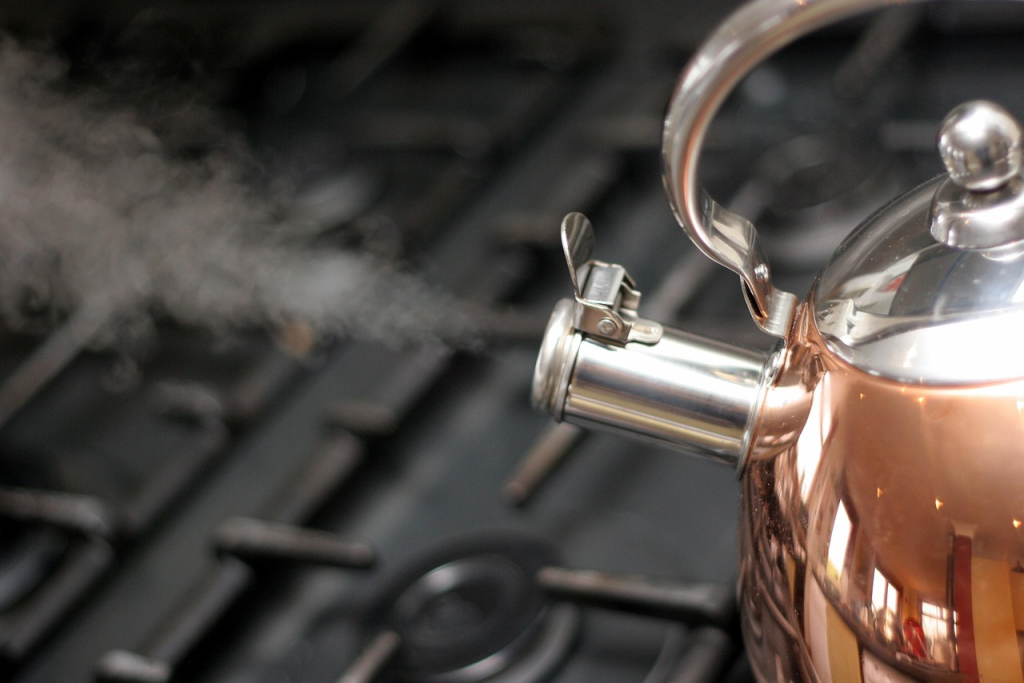
Let the symptoms guide your next step. Hot cabinets, damp compartments, and persistent error codes all map back to the same stress trio of heat, water, and vibration. Track small changes early, and your appliances will last longer with fewer surprises Household Breakdowns.
A little attention beats a last-minute rescue. Keep air moving, keep water away from electronics, and respond to odd sounds before they get loud. With the right habits and timely checks, you can turn breakdown signals into a simple to-do list instead of a weekend crisis.
Take the next step: explore content that builds on your current knowledge at 2A Magazine.