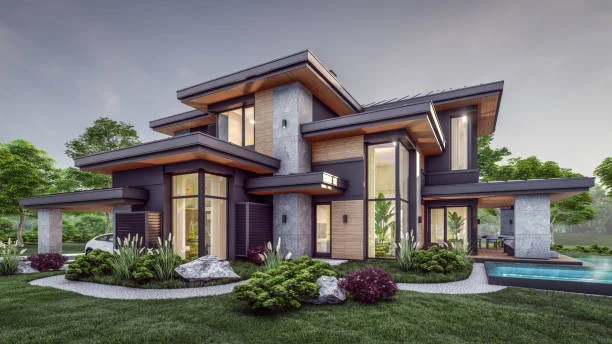
Exterior design is not just about making a property look good today. It is about making choices that hold up visually, structurally, and financially over time. The exterior is the first thing people see, and it quietly communicates how well a property has been built, maintained, and upgraded. When done right, it supports long-term property value. When done poorly High-Impact Exterior Design, it becomes a liability.
This article breaks down the exterior design decisions that consistently deliver lasting value, not fleeting appeal.
Why Exterior Design Has a Direct Impact on Property Value
Curb appeal shapes perception before anyone steps inside. Buyers, appraisers, and even neighbors form judgments within seconds. A well-maintained exterior signals care, stability, and lower future costs. A neglected one raises concerns, even if the interior is updated.
From a financial perspective, exterior improvements often outperform interior upgrades in terms of return on investment. Roofing, siding, windows, and landscaping are expensive to replace. When these elements are already in good condition, a property becomes more attractive and easier to sell.
Longevity matters. Materials that age well and require minimal upkeep protect value long after trends fade.
Roofing That Pays Off: Choosing the Right Shingles
The roof is one of the most critical exterior components, yet it is often chosen solely on price. Shingles play a significant role in durability, energy efficiency, and resale value, which is why using a shingle estimator early in the planning process helps align material choice with long-term performance rather than short-term savings.
Architectural asphalt shingles are a common choice because they balance cost, lifespan, and appearance. They offer depth and texture that standard asphalt shingles lack. Metal and composite shingles cost more upfront but often last significantly longer and perform better in harsh weather.
Color and profile should be chosen with restraint. Neutral, medium-tone shades tend to age better and attract a broader range of buyers. Extremely dark or unconventional colors may limit appeal later.
Energy-efficient and impact-resistant shingles can lower insurance costs and improve comfort. More importantly, they signal quality or High-Impact Exterior Design. A roof in excellent condition reassures buyers and appraisers alike. Few exterior features influence value as directly as a well-chosen, well-maintained roof.
Siding Materials That Balance Aesthetics and Durability
Siding covers most of the exterior surface, so its condition and appearance matter. Durable materials reduce maintenance costs and preserve visual consistency over time.
Fiber cement siding is valued for its resistance to moisture, insects, and fire. It also holds paint well. Vinyl siding remains popular due to its affordability and low maintenance, though quality varies widely. Engineered wood offers a traditional look with better durability than natural wood, which requires frequent upkeep.
Color choices should lean toward timeless palettes. Soft neutrals and muted earth tones perform best across markets. They also make future updates easier.
Siding that looks clean and intact communicates long-term reliability; cracked, warped, or faded siding does the opposite.
Windows and Doors as Long-Term Value Anchors
Windows and doors affect energy efficiency, comfort, and exterior harmony. They also shape how solid a property feels.
Modern, energy-efficient windows reduce heating and cooling costs while improving sound insulation. Frame materials matter. Vinyl offers efficiency and low maintenance. Aluminum provides a clean, modern look but may underperform thermally if not properly designed. Wood-clad options combine warmth with durability when maintained correctly.
Entry doors deserve special attention. A well-proportioned, solid front door creates a strong focal point. Consistency across windows and doors helps the exterior feel intentional rather than pieced together.
These elements rarely draw attention when done right. That is precisely the point.
Exterior Color Strategy: Timeless Over Trendy
Exterior paint is one of the most visible and cost-effective upgrades, but it is also easy to get wrong. Trends come and go quickly. Repainting is expensive and disruptive.
Neutral colors with subtle variation tend to hold value best. Whites, warm grays, soft beiges, and muted greens perform consistently across regions. Accent colors can add personality when used sparingly, often on doors or shutters.
Restraint is a strength here. A timeless color scheme reduces the likelihood of future repainting and appeals to a broader buyer base.
Landscaping That Signals Quality, Not Maintenance Burden
Landscaping should enhance the structure, not overwhelm it. Clean lines, healthy plants, and intentional spacing suggest care and planning.
Overly complex designs may look impressive initially, but often signal high maintenance costs. Structured greenery, defined paths, and durable hardscaping elements strike a better balance.
Outdoor lighting improves safety and highlights architectural features at night. When done thoughtfully, it adds both function and perceived value.
The goal is not extravagance. It is clarity and order.
Driveways, Walkways, and Hard Surfaces That Age Well
Hard surfaces frame how people move through a property. Cracked driveways and uneven walkways immediately lower perceived quality.
Concrete remains a practical choice due to its durability. Pavers and stone add visual interest and are easier to repair in sections. Proper drainage is critical regardless of material. Water damage shortens lifespan and increases long-term costs.
Clean edges and consistent materials elevate the entire exterior. They make the property feel complete.
Small Exterior Details That Quietly Boost Value
Minor elements often reveal how well a property has been maintained. Gutters, trim, fascia, and soffits should look intentional and functional.
Exterior lighting fixtures, hardware, and even house numbers contribute to the overall impression. Consistency matters more than ornamentation.
When these details are neglected, buyers assume larger issues may also exist.
Mistakes That Hurt Long-Term Property Value
Over-customization is one of the most common errors. Particular styles and bold choices may reflect personal taste but limit future appeal.
Low-quality materials often cost more in the long run due to frequent repairs and replacements. Ignoring climate conditions can also lead to premature wear.
Exterior design should account for both environment and market expectations. Shortcuts rarely pay off.
Final Takeaway: Designing for Longevity, Not Just Looks
High-impact exterior design is about thinking ahead. It means choosing materials that last, colors that endure, and layouts that feel balanced.
Approaching exterior upgrades from the perspective of a future buyer or appraiser changes priorities. Durability, consistency, and maintenance become central considerations High-Impact Exterior Design.
When exterior decisions are made with longevity in mind, property value benefits quietly and steadily over time.
Connect the dots—this related read adds depth to what you just explored at 2A Magazine.