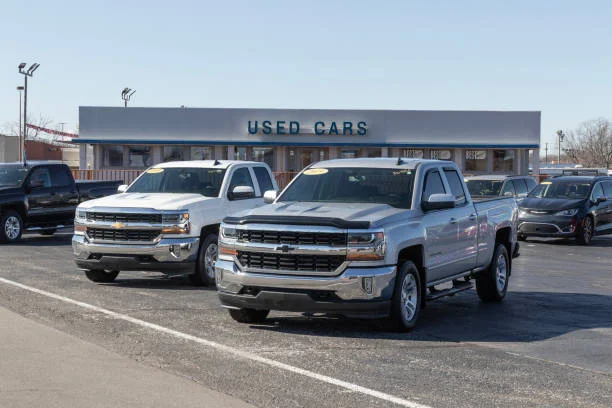
Buying a used Chevy can be a smart and cost effective decision, especially if you know what to look for before signing the paperwork. Chevrolet offers a wide range of vehicles, from compact sedans to powerful trucks and family friendly SUVs. However, not all used vehicles are equal in condition or value. If you are searching for used chevy cars near Roanoke VA, understanding the key factors that affect reliability, pricing, and ownership costs will help you avoid expensive mistakes. This guide covers everything you should know before buying a used Chevy so you can make a confident and informed choice.
Understanding Why Chevy Is a Popular Used Car Brand
Chevrolet vehicles are known for affordability, wide availability, and a broad lineup that fits different lifestyles. Many Chevy models are built with simple, proven engineering, which makes them easier and cheaper to maintain. Parts are widely available, and most mechanics are familiar with Chevy repairs. This popularity also means there are many used options on the market, giving buyers more room to compare and negotiate.
Identifying the Right Chevy Model for Your Needs
Before shopping, determine which Chevy model fits your lifestyle. Sedans like the Malibu or Impala are suitable for daily commuting. SUVs like the Equinox, Traverse, or Tahoe offer space for families and cargo. Trucks like the Silverado are built for towing and work. Buying the right model upfront prevents regret and unnecessary expenses later.
Setting a Realistic Budget Beyond the Purchase Price
The sticker price is only part of the total cost. Consider insurance, fuel, maintenance, taxes, and registration fees. Older models may cost less to buy but more to maintain. Setting a realistic budget that includes potential repairs helps you avoid financial strain after purchase.
Checking the Vehicle History Report Carefully
A vehicle history report provides insight into past accidents, title status, ownership history, and mileage accuracy. Look for red flags such as salvage titles, flood damage, or inconsistent service records. A clean report does not guarantee perfection, but it reduces risk significantly.
Inspecting Engine Performance and Reliability
The engine is one of the most expensive components to repair. During inspection, listen for knocking sounds, rough idling, or hesitation during acceleration. Check for oil leaks and inspect fluid levels. Chevy engines are generally reliable, but neglect or poor maintenance can shorten engine life dramatically.
Evaluating Transmission Condition
Transmission problems can quickly turn a good deal into a costly mistake. During a test drive, gear changes should feel smooth and timely. Delayed shifting, slipping, or jerking are warning signs. Automatic transmissions should not hesitate, and manual transmissions should shift cleanly without grinding.
Looking for Known Issues in Specific Chevy Models
Some Chevy models and production years are known for specific issues. Research common problems for the exact model and year you are considering. Knowing these issues helps you ask better questions and inspect critical areas more closely. Awareness gives you negotiating power and helps avoid surprises.
Examining Suspension and Steering Components
Suspension affects ride comfort, handling, and tire wear. Look for uneven tire wear, excessive bouncing, or clunking noises over bumps. Steering should feel tight and responsive. Loose steering or vibration may indicate worn components that require replacement.
Inspecting Brakes and Safety Systems
Brakes are essential for safety. During the test drive, braking should feel firm and controlled. Grinding noises, squealing, or vibration suggest worn brake pads or rotors. Also check that safety features like airbags, ABS, and traction control are functioning properly.
Assessing Interior Condition and Electronics
Interior wear often reflects how the car was treated. Excessive wear on seats, pedals, or steering wheel may indicate heavy use. Test all electronic features including power windows, infotainment systems, climate controls, and dashboard displays. Electrical issues can be frustrating and expensive to fix.
Checking Exterior Condition and Body Integrity
Inspect the body for dents, rust, mismatched paint, or uneven panel gaps. These signs may indicate previous accidents or poor repairs. Surface scratches are normal, but structural damage affects safety and resale value. Check doors, hood, and trunk alignment carefully.
Reviewing Maintenance and Service Records
Consistent maintenance extends vehicle life. Service records showing regular oil changes, brake servicing, and scheduled inspections indicate responsible ownership. Lack of records does not always mean neglect, but documented care adds confidence and value.
Understanding Fuel Efficiency and Engine Type
Chevy vehicles come with various engine options, including four cylinder, V6, V8, and turbocharged engines. Choose an engine that matches your driving habits. Larger engines offer power but consume more fuel. Fuel efficiency affects long term ownership costs more than many buyers realize.
Checking Warranty and Recall Information
Some used Chevy vehicles may still be covered under factory warranties or extended warranties. Check if any recalls are open and whether they have been addressed. Warranty coverage can save money and provide peace of mind during early ownership.
Comparing Prices in the Local Market
Research prices for similar Chevy models in the Roanoke area. Compare mileage, trim level, condition, and features. This helps you identify fair pricing and spot deals that are overpriced or suspiciously cheap. Market knowledge strengthens your negotiation position.
Taking a Thorough Test Drive
A proper test drive reveals issues that visual inspection cannot. Drive on different road types and speeds. Pay attention to acceleration, braking, steering, and overall comfort. Turn off the radio to listen for unusual noises. Trust how the car feels, not just how it looks.
Getting a Professional Pre Purchase Inspection
A pre purchase inspection by a trusted mechanic can uncover hidden problems. This small upfront cost can save thousands in repairs. Inspection results also help with price negotiation or deciding to walk away from a bad deal.
Understanding Ownership Costs Over Time
Used vehicles vary widely in long term cost. Insurance rates, repair frequency, and fuel consumption differ by model and year. Researching ownership costs helps ensure the vehicle fits your financial situation beyond the initial purchase.
Negotiating the Deal Confidently
Use your research, inspection findings, and market comparisons to negotiate. Be polite but firm. Sellers expect negotiation, especially on used vehicles. Do not feel pressured to rush. Walking away is often the strongest negotiating tool.
Finalizing Paperwork Correctly
Verify the title is clean and matches the vehicle identification number. Review all documents carefully before signing. Ensure all agreed upon terms are included in writing. Proper paperwork protects you from future legal or ownership issues.
Conclusion
Buying a used Chevy can be a reliable and rewarding experience when done with the right preparation. Taking time to inspect the vehicle, review its history, understand ownership costs, and compare market prices reduces risk significantly. Every step you take before purchasing adds confidence and protects your investment. With careful research and attention to detail, you can find a used Chevy that delivers dependable performance and long term value.
Learn more with a related article worth your time at 2A Magazine.