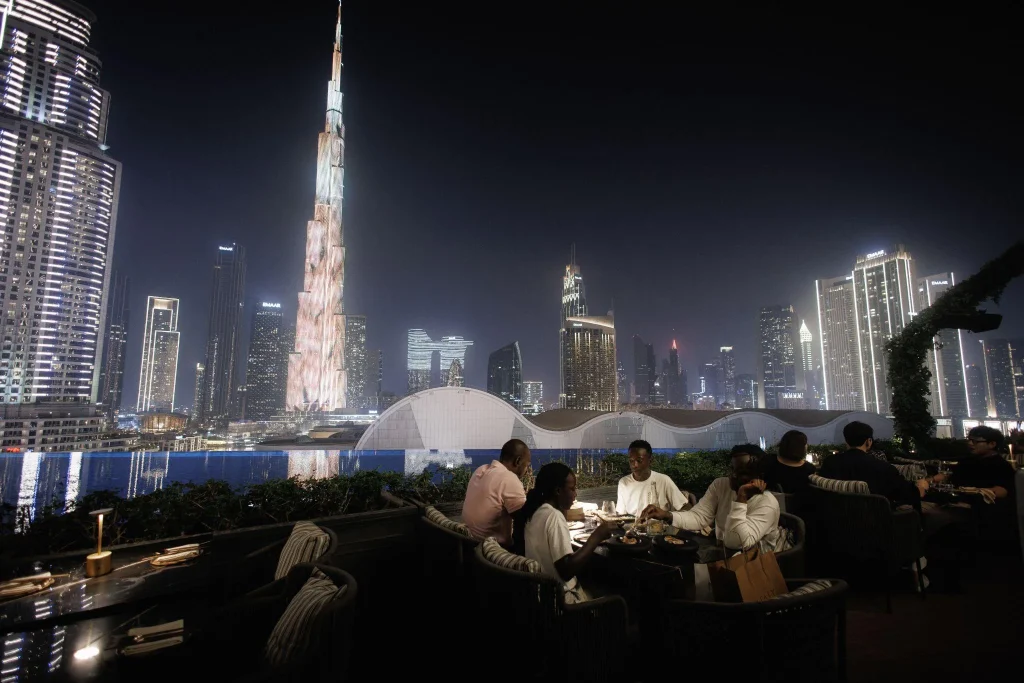
In a city where architecture touches the clouds and ambition shapes every skyline, dining in Dubai is rarely just about food. The setting matters just as much as the menu, sometimes even more. From seaside terraces to rooftop lounges, the city has mastered the art of pairing flavour with perspective. Few experiences highlight this better than burj khalifa View restaurants or Dining Experience in Dubai, where the world’s tallest building becomes part of the meal itself. The sight of illuminated towers, flowing fountains, and an ever-moving skyline transforms a simple dinner into something immersive, emotional, and unforgettable.
Dubai diners today crave more than taste. They seek moments, places where conversation slows, phones are set aside, and the view itself becomes a shared experience. Location plays a quiet but powerful role in shaping how we feel while eating, influencing our mood, pace, and memory of the evening.
Why Location Shapes the Way We Dine
Location affects dining before the first bite arrives. Whether a restaurant is perched high above the city, tucked away from crowds, or positioned near a landmark, it subtly dictates the tone of the experience. In Dubai, where the city moves fast and noise is constant, a thoughtfully chosen location can feel like an escape.
A dining space overlooking a skyline naturally encourages pause. Guests linger longer, conversations deepen, and meals become less rushed. Elevated locations create a sense of detachment from street-level chaos, offering calm without sacrificing excitement. This contrast, vibrant city below, serenity above, is a defining feature of Dubai’s best dining experiences.
The Psychological Impact of a View
Views are not just visual; they are emotional Dining Experience in Dubai. Research consistently shows that open vistas reduce stress and elevate mood. When paired with dining, this effect becomes even stronger. A skyline view stimulates awe, while water, lights, and movement keep the mind engaged without distraction.
In Dubai, landmarks like the Burj Khalifa add symbolic value. Seeing it from a dining table evokes achievement, celebration, and global connection. This emotional backdrop enhances everything, food tastes richer, drinks feel more indulgent, and time seems to slow. The view becomes a silent companion to the meal, shaping how the experience is remembered long after it ends.
Dining as an Experience, Not a Transaction
There was a time when restaurants focused almost exclusively on food quality. While taste remains essential, modern diners increasingly evaluate experiences holistically. Lighting, sound, privacy, and scenery now play equal roles.
Dubai has responded by designing restaurants that feel theatrical yet intimate. Elevated terraces, panoramic windows, and skyline-facing seating ensure that guests feel immersed rather than merely seated. When the environment is engaging, diners feel valued, not rushed, and that sense of care leaves a lasting impression.
Privacy and Perspective in a Busy City
Dubai is energetic by nature. Malls are bustling, streets are active, and popular venues can feel overwhelming. This makes private or semi-private dining spaces with views especially desirable. A well-positioned restaurant can offer visual openness without auditory chaos.
Being above the city allows diners to enjoy the spectacle without being consumed by it. The city becomes a backdrop rather than an intrusion. This balance is particularly appealing for special occasions, anniversaries, quiet celebrations Dining Experience in Dubai, or evenings meant for meaningful conversation.
How Views Influence Taste Perception
Interestingly, ambience can affect how we perceive flavour. Studies in sensory psychology suggest that pleasant surroundings can enhance taste perception, making food feel more satisfying and memorable. A beautifully presented dish enjoyed against a dramatic skyline naturally feels elevated.
In Dubai, where presentation and design are cultural priorities, this connection between view and flavour is especially pronounced. A thoughtfully chosen location amplifies the chef’s work, allowing the meal to resonate on multiple sensory levels.
The Magic of Dining Under Dubai’s Night Sky
Daytime views in Dubai are impressive, but nighttime transforms the city entirely. Lights ripple across buildings, fountains dance, and the skyline glows with motion and colour. Dining after sunset introduces a sense of intimacy and romance that daylight rarely offers.
Restaurants that align their seating with nighttime views benefit from this natural transformation. The city becomes softer, more atmospheric, and ideal for long, reflective meals. The transition from dusk to night often becomes part of the dining narrative itself.
Architecture as a Dining Companion
Dubai’s architecture is not passive; it demands attention. When dining spaces are designed to frame rather than compete with the skyline, the result feels harmonious. Floor-to-ceiling glass, open terraces, and subtle lighting allow the view to breathe Dining Experience in Dubai.
Rather than overwhelming guests, well-designed dining locations let architecture tell its story quietly. This restraint is what distinguishes memorable dining experiences from merely scenic ones.
Cultural Diversity Reflected in Location Choices
Dubai’s global population has shaped a dining culture that values diversity and innovation. Restaurants are no longer bound by traditional layouts or expectations. Instead, they adapt to their surroundings, whether that means embracing height, water, or urban density.
This adaptability allows dining experiences to reflect the city itself: layered, multicultural, and constantly evolving. Location becomes a narrative tool, telling a story about where you are and what the city represents.
When the Setting Becomes the Memory
Ask someone about their favourite dining experience in Dubai, and chances are they’ll mention the view before the menu. That’s because setting anchors memory. While flavours fade, moments linger, the skyline at night, the quiet between courses, the feeling of being suspended above the city.
This is why location-driven dining continues to shape Dubai’s culinary identity. The city understands that great food deserves a great stage.
Conclusion: Dining Above the Ordinary
In Dubai, dining is inseparable from place. The city’s most memorable meals are defined as much by what surrounds the table as what’s on it. When architecture, elevation, and atmosphere align, dining becomes immersive rather than routine. Choosing a restaurant burj khalifa View dubai or Dining Experience in Dubai is not just about seeing a landmark, it’s about experiencing the city from a perspective that turns an ordinary evening into something lasting.
Among Dubai’s many skyline-facing venues, Nazcaa reflects how location and ambience can quietly shape a dining experience. Its elevated setting and thoughtful design allow guests to engage with the city visually while remaining present at the table, a reminder that sometimes, where you dine matters just as much as what you eat.
Keep exploring and uncover new ideas beyond this page at 2A Magazine.