Winter conditions can quickly turn a manageable jobsite into a logistical headache. Snow, ice, frozen ground, and muddy freeze-thaw cycles all make it harder for crews and equipment to move safely and efficiently. When access paths aren’t properly maintained, productivity drops and safety risks increase. That’s where a mini excavator becomes one of the most valuable tools for winter site preparation and maintenance.
Why Winter Access Paths Matter
Reliable access paths are essential for keeping projects moving during cold months. Poorly maintained routes slow deliveries, limit equipment movement, and increase the risk of slips, stuck vehicles, and equipment damage. For contractors working through winter, maintaining stable access paths isn’t just about convenience—it’s about protecting schedules, budgets, and worker safety.
Mini excavators offer the flexibility and control needed to address winter access issues without the footprint or cost of larger machines.
Common Winter Access Problems on Job Sites
Winter introduces a unique set of access challenges, especially on temporary or unfinished sites. Snow-packed paths can harden into uneven ice, making traction unpredictable. Slopes and transitions become hazardous as meltwater refreezes overnight. In areas with frequent freeze-thaw cycles, ground that seemed solid one day can quickly turn muddy and unstable the next.
Tight residential spaces or urban job sites add another layer of difficulty, where larger equipment simply can’t maneuver without causing damage.
Why a Mini Excavator Is Ideal for Winter Access Work
Mini excavators strike a balance between power and precision. Their compact size allows them to operate in narrow access routes, driveways, and temporary roads while still delivering enough digging and grading force to reshape surfaces.
Unlike larger machines, mini excavators minimize ground disturbance, which is especially important when working over frozen or partially thawed soil. Their ability to use multiple attachments also makes them adaptable to changing winter conditions, from snow clearing to grading and drainage work.
Preparing a Mini Excavator for Winter Path Improvements
Before tackling winter access work, proper preparation is critical. Cold temperatures affect fluids, batteries, and hydraulic systems, so a thorough inspection should come first. Allowing the machine to warm up before operation helps protect hydraulic components and improves responsiveness.
Tracks should be checked regularly for ice buildup, wear, and proper tension to maintain traction. Operator comfort and safety are equally important—clear visibility, proper lighting, and cold-weather gear all contribute to safer, more efficient operation.
Key Tasks for Improving Winter Access Paths
One of the most common winter tasks is clearing snow and packed ice from access routes. A mini excavator can quickly push aside snowbanks and break up compacted areas that hand tools can’t handle.
Grading uneven or rutted paths helps prevent water from pooling and refreezing. Improving drainage—by shaping slopes or clearing ditches—reduces long-term ice buildup. Adding gravel or aggregate reinforces weak sections of the path, improving traction and load-bearing capacity throughout the season.
Useful Attachments for Winter Path Work
The right attachments significantly expand what a mini excavator can do in winter. Standard buckets are effective for snow removal, grading, and material placement. Tilt buckets or grading blades help fine-tune surfaces for proper water runoff.
Augers can be useful for installing temporary markers, posts, or barriers along access routes, while compaction attachments help stabilize added material before it freezes solid.
Best Practices for Safe and Efficient Winter Operations
Working in stages helps prevent freshly cleared or graded paths from refreezing too quickly. Scheduling work during the warmest part of the day can make a noticeable difference in ground conditions.
Shorter daylight hours mean lighting and visibility should never be overlooked. Keeping operators warm, alert, and comfortable reduces fatigue and improves overall productivity. Regular breaks and consistent machine checks help avoid cold-related downtime.
Cost and Productivity Benefits for Contractors
Maintaining proper winter access paths saves time and money in the long run. Equipment and material deliveries move more smoothly, crews spend less time navigating hazards, and the risk of damage or delays is reduced.
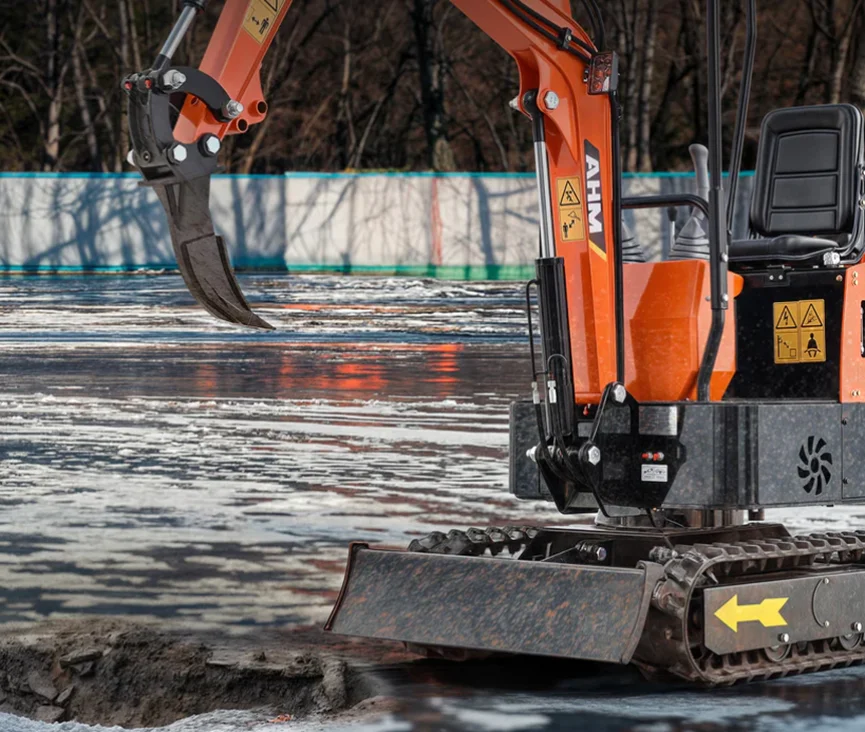
Compared to manual labor or reactive repairs, using a mini excavator for access path maintenance is faster and more cost-effective. Many contractors rely on compact, reliable mini excavators for hire like AHM models to handle winter grading and access work without overcomplicating their setup. Clients also notice the difference when sites remain organized and accessible, even in harsh weather.
Knowing When to Adjust Your Winter Equipment Setup
If winter access work consistently slows your projects, it may be time to reassess your equipment setup. Choosing the right mini excavator size and investing in winter-ready attachments can dramatically improve efficiency.
Signs like frequent stuck vehicles, excessive manual clearing, or repeated rework often indicate that current tools aren’t meeting winter demands.
Keeping Projects Moving All Winter Long
Improving and maintaining winter access paths is a critical part of cold-weather construction success. With the right preparation, attachments, and operating practices, a mini excavator becomes a reliable solution for navigating snow, ice, and frozen ground.