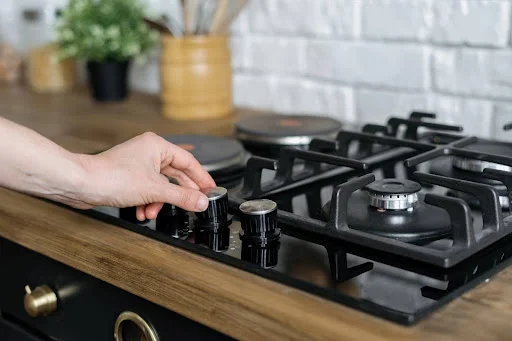
Gas appliances — from heaters and stoves to water heaters and dryers — play a huge role in both residential and commercial spaces. They keep our homes warm, our meals cooking, and our utilities running efficiently. But unlike plug‑and‑play devices, gas‑powered systems require ongoing care to maintain performance and safety.
Just like servicing a car keeps it running longer and smoother, regular maintenance for gas appliances helps you avoid breakdowns, save on energy costs, and protect your household from hazards that are far more serious than a minor malfunction. Below, we unpack why gas appliance maintenance is about much more than a simple tune‑up — it’s an investment in safety, reliability, and cost savings.
Understanding the Importance of Gas Appliance Maintenance
Routine maintenance isn’t just a nice‑to‑have — it’s essential. Over time, small problems develop in gas systems that can easily go unnoticed. Dust buildup, worn parts, or slight misalignments might not trigger an immediate failure, but left unattended, they can lead to costly repairs or shorten the appliance’s lifespan.
Performing regular check‑ups means catching these issues early, before they escalate. For example, a minor leak or blocked vent left untreated can cause the entire system to work harder, reducing efficiency and driving up energy bills. On the other hand, a well‑maintained appliance runs more smoothly and consistently — and that translates directly to better performance and lower running costs.
In practical terms, staying on top of maintenance often means fewer mid‑winter breakdowns, longer intervals between replacements, and greater confidence that your home systems are doing their jobs when you need them most.
Safety First: How Maintenance Prevents Gas Leaks and Hazards
Gas appliances are powerful — and with that power comes potential risk. Improper combustion, failing seals, cracked fittings, or blocked vents can lead to dangerous outcomes, including carbon monoxide buildup, gas leaks, and even fire hazards. In fact, a large proportion of domestic gas‑related accidents are linked to inadequate upkeep or poor installation.
Regular inspections catch these risks before they become emergencies. A trained eye can identify:
- Loose or deteriorating hoses
- Blocked flues or vents
- Worn valves or seals
- Incorrect pressure levels
Because gas systems directly interact with combustible fuel, professional assessment matters. Safety isn’t just about comfort — it’s about peace of mind knowing your home environment is not putting you, your family, or your business at risk.
Enhancing Efficiency: Maintenance’s Role in Energy Savings
Gas appliances that are running clean and correctly burn fuel more efficiently. When burners get clogged, filters fill with debris, or components wear down, the system must work harder to achieve the same result. That doesn’t just mean higher utility bills — it also means more strain on the appliance and a shorter service life overall.
Here are a few quick checkpoints that help boost efficiency:
- Make sure burner flames are a steady blue (indicating complete combustion)
- Clean or replace filters regularly
- Ensure vents and flues are free of debris
- Address throttling or ignition delays promptly
Simple actions like these help your appliances operate as designed, reduce wasted energy, and lower ongoing costs — good for your wallet and better for the environment.
Longevity Matters: Extending Appliance Lifespan Through Care
There’s a clear benefit to tending to your gas appliances regularly: they last longer. Appliances that are left to run in sub‑optimal conditions experience wear and tear sooner. Minor issues like annoying noises, delayed ignition, or weak performance might seem trivial at first, but they often signal deeper wear that can lead to premature failure.
Seasonal checks are especially helpful. For example:
- Before heavy winter use, have heaters and boilers inspected
- After high‑demand periods, clear out dust and check for wear
- Ahead of summer, make sure gas dryers and outdoor appliances are ready
By adopting a maintenance routine — rather than waiting for something to break — you preserve the value and performance of your gas systems and avoid unnecessary early replacements.
The Professional Touch: Why DIY Isn’t Always the Answer
It’s tempting to try DIY fixes — after all, how hard can it be to tighten a fitting or clean a burner? But gas appliances are complex systems that require specialist tools and training to diagnose properly. A surface‑level fix may give the illusion of resolution while missing critical safety or performance issues.
This is where it truly pays to hire a licensed gas fitter. A professional:
- Has the credentials to ensure systems meet safety regulations
- Can detect subtle issues that often go unnoticed
- Protects appliance warranties and compliance with insurance requirements
- Provides expert recommendations for upkeep
When you choose a qualified professional, you’re not just getting maintenance — you’re getting confidence that the job is done right.
Wrapping Up: Prioritise Safety, Savings, and Performance
Gas appliances keep many of our everyday services running — but they require more than a casual glance to stay reliable. Regular maintenance extends the life of your systems, boosts energy efficiency, and — above all — protects your home or business from potentially serious hazards.Don’t wait until a small issue becomes a big problem. Schedule professional servicing and remember that when it comes to gas systems, the right care makes all the difference. If you want to ensure your gas appliances remain safe and efficient, consider taking the proactive step to hire a licensed gas fitter today, it’s a decision your property (and peace of mind) will thank you for.
Featured for brilliance—this story delivers value, insight, and actionable tips at 2A Magazine.