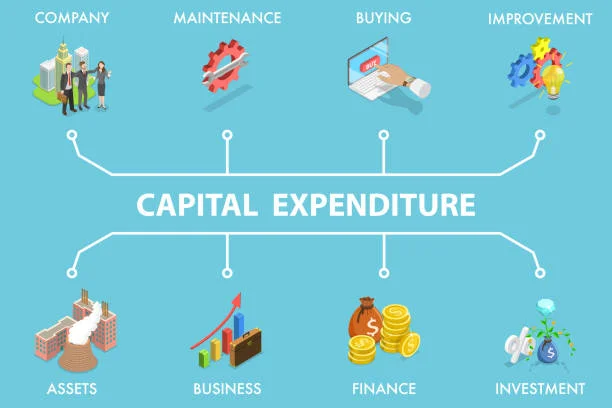
At some point, you’re going to need assets and equipment to upgrade your business operation, all of which would require substantial investment. You want to fund business growth without hurting the rest of your company, something that a CAPEX management system can efficiently help you with. Part of successful management for capital expenditure, however, is proper planning, which requires a strategic approach to ensure you improve efficiency while maintaining competitiveness.
What You Should Know About CAPEX
Capital expenditure (CAPEX) refers to any spending made on assets that have a long-term impact on your business’s operational capabilities. Not every asset qualifies as CAPEX, however.
What qualifies as capital expenditure?
Any physical or intangible assets that are necessary for long-term projects. These include property, buildings, machinery, protective equipment, and business licenses.
- Any asset with a useful lifespan that extends beyond one accounting period or fiscal year.
- It’s not enough that an asset lasts long; it must also be classified as either a growth CAPEX or a maintenance CAPEX. The former refers to any investments that can help your company’s expansion, such as a new product line or a new manufacturing plant. Maintenance CAPEX, on the other hand, is any necessary expenditure made to upgrade an existing asset’s usual life. A good example is new equipment to replace an outdated one, or a software upgrade.
How do you plan for a CAPEX budget?
Make a List of Assets You Need a CAPEX Budget For
Now that you know what qualifies as CAPEX, consider whether a specific asset contributes to long-term planning or budget.
- Categorize each capital asset into something you need to buy, maintain, or upgrade.
- Based on that updated list, determine which assets should be prioritized. Consider the operating expenses you currently have and how an asset impacts your goals and financial situation. Take advantage of a business audit if necessary.
- Go for urgency over anything else. Find out what your business needs most at the moment and invest accordingly. Between a new machine and a new delivery truck, the former is more important since you won’t need a truck if there are no products to deliver in the first place.
Use Metrics to Ensure You’re Investing the Right Way
- Set goals that are measurable and quantifiable, and compare how an asset measures up. If it’s necessary to double production capacity, there must be proof that demand increases at a similar rate.
- Check if an asset will not affect other areas of your business. New machinery, for example, should increase output without the need to hire more people.
Don’t Overlook Associated Costs
When it comes to business investments, you’re never paying the purchase price alone. There are always indirect costs and expenses to consider.
- Indirect costs could mean paying for new training requirements or a new yearly maintenance contract.
- Opportunity costs can result from downtimes. You may need to suspend operations to install new equipment or train new employees.
Strategic CAPEX planning can boost operational efficiency and productivity, guarantee long-term growth and competitiveness, and even come with tax advantages. This is something you shouldn’t overlook as a business owner. With this in mind, let Futurelog help you manage your CAPEX needs with its powerful cloud-based solution.
Explore more ideas that spark curiosity and bring value to your next step at 2A Magazine.