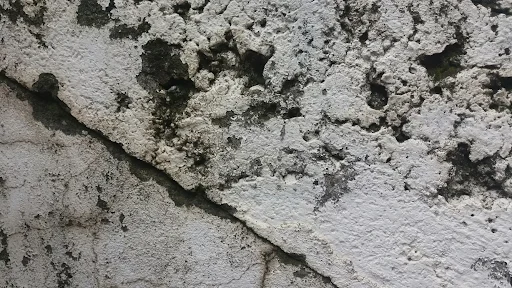
Mold sneaks in where moisture lingers, and it can spread faster than most people expect. The good news is that a few careful checks and habits household mold can stop small issues from turning into big repairs.
This guide walks you through how to spot mold, decide when to test, and clean it up safely. You will learn how to control moisture so it does not return.
Know The Early Signs
Trust your senses first. A musty odor, new allergy-like symptoms at home, and dark spots on walls or ceilings are early clues. Pay extra attention to bathrooms, basements, closets, and any room with past leaks.
Look for peeling paint, bubbling drywall, or warped trim. These can point to moisture behind the surface. If you catch these early, you can fix the source and keep mold from spreading.
Condensation on windows is another warning sign. It often means indoor humidity is too high. Use a hygrometer to check if your home stays under 50 percent household mold.
Decide When To Test Or Skip Testing
Not every situation needs lab work. If the area is small and the source is obvious, cleaning and drying may be enough. Focus on fixing moisture first so mold does not grow back.
There are times when testing helps, if you cannot find the source, if the affected area is large, or if you need documentation for a sale or insurance. Many homeowners choose professional mold testing when they want an impartial assessment, and it can guide a smarter remediation plan. These checks can confirm you are making progress with the cleanup.
If someone at home has asthma or is sensitive to indoor air, testing can offer peace of mind. It can help your contractor verify that the cleanup met the goals before rebuilding.
Safe Cleanup For Small Areas
Small patches can often be handled with simple steps. Wear gloves, goggles, and a mask to avoid contact. Ventilate the room by opening a window or using a fan that exhausts to the outside.
Clean hard, nonporous surfaces with detergent and water. Wipe gently first so you do not spread spores, then scrub. Dry the area completely household mold with towels and airflow so moisture does not linger.
Porous items like ceiling tiles or carpets may need removal if they are moldy. Bag and discard them to reduce cross-contamination. Keep doors closed during cleanup to avoid spreading spores.
Prevent Moisture And Keep It Gone
Moisture control is mold control. Fix leaks fast, from roof drips to loose sink traps. Run bath and kitchen exhaust fans during and after use.
Keep indoor humidity below 50 percent. A dehumidifier can help in basements and laundry rooms. Remember to clean the unit and drain it regularly for best performance.
Improve airflow by leaving space between furniture and exterior walls. In closets, avoid overpacking and consider using louvered doors or simple vent grilles.
Focus On Bathrooms, Kitchens, And Basements
These spaces see more water and steam, so they need extra attention. In bathrooms, squeegee shower walls and run the vent fan for at least 20 minutes after bathing. Seal grout lines and recaulk gaps to block water intrusion.
In kitchens, check supply lines to dishwashers and refrigerators. Pull appliances forward a few times per year to look for slow leaks. Wipe up spills right away and let wet mats dry fully.
Basements benefit from gutters that drain away from the foundation. Grade soil to direct rainwater downhill. If walls feel damp, consider a vapor barrier or professional advice on drainage improvements.
When To Call In The Pros
Call a pro if the affected area is large, if sewage is involved, or if the growth keeps returning. A trained remediator can set up containment, use negative air machines, and remove contaminated materials safely.
Testing and sampling require skill to do right. Guidance notes that sampling should be designed and interpreted by experienced professionals who understand proper methods. That helps avoid false comfort or needless alarm based on unclear results.
If you have immune-sensitive family members or renters, professional help reduces risk and liability. You get documentation for insurers or buyers when the work is complete.
What To Use And What To Avoid
For most hard surfaces, regular detergent and water work well. You can use a disinfectant labeled for mold cleanup if the surface allows it. Always follow label directions and ventilate the area.
Avoid dry brushing or aggressive sanding at the start, since that can send spores into the air. Skip mixing chemicals together. More is not better, and some combinations create dangerous fumes.
Do not paint over mold. Paint can peel, and the problem will return. Clean, dry, and confirm the area is mold-free before applying coatings.
Common Mistakes To Skip
- Waiting to fix a leak because the wet spot looks small
- Running a dehumidifier without closing windows and doors
- Using a fan directly on visible mold before cleaning
- Keeping moldy carpets or ceiling tiles to save money
- Painting or caulking over damp surfaces
These habits tend to hide, not solve, the problem household mold. Choose methods that remove moisture and damaged materials for good results.
Use these points to set your plan: stop the water, clean and dry small areas, and bring in trained help when the situation is unclear or large household mold. Steady moisture control keeps your hard work from going to waste.
If you have spotted signs of mold, start with the source of moisture. Small areas respond well to careful cleaning and thorough drying. If conditions are complex or widespread, bring in expertise to test, document, and remediate. With a clear plan and consistent moisture control, your home can stay clean and healthy.
Venture further—explore more posts that fuel your curiosity and inspire action.