
Kids get toothaches for lots of reasons, and it always seems to happen at the most stressful time. The good news is that most pains have simple causes, and you can take smart steps at home while you line up care. This guide walks you through what to watch for Handling Toothaches, what to do first, and when to seek urgent help so your child can get back to feeling like themselves.
How to Tell It’s a Real Toothache
Toothaches start as brief twinges during eating or brushing, and build into longer, throbbing pain. Sensitivity to cold drinks, trouble sleeping, or pain that spreads to the jaw or ear are common red flags. If your child has a fever, facial swelling, or can’t chew on one side, treat it as a higher priority.
Timing matters, too. A national health service guidance recommends booking a dental visit if a toothache lasts more than 2 days, even if painkillers seem to help. That simple rule keeps small problems from turning into bigger ones that are harder to fix.
First Steps You Can Take At Home
Rinse the mouth gently with warm water and check for obvious triggers like a popcorn hull or food packed between teeth. Floss around the painful area to clear debris. A cool compress on the cheek can take the edge off and calm swelling.
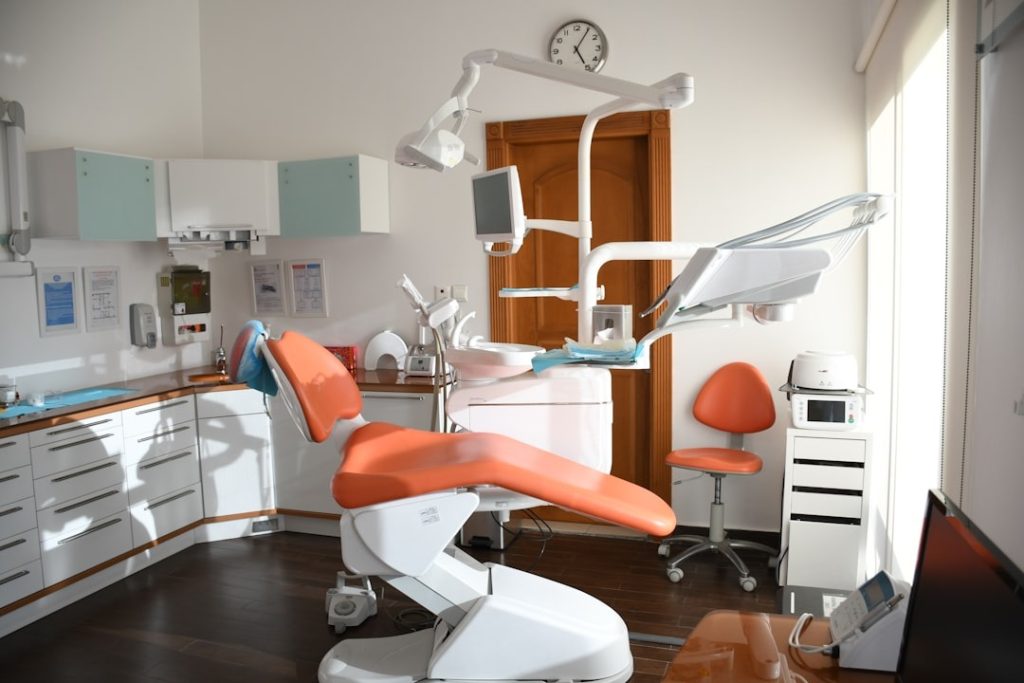
If your child seems anxious, coach slow nose-breaths and keep snacks soft and lukewarm for the day. If you need hands-on help fast, an emergency pediatric dentist in West Loop or in your area can treat the problem instantly. Keep broken pieces of tooth in milk and bring them along, and avoid putting aspirin on the gums since it can burn tissue Handling Toothaches.
Pain Relief That’s Safe and Effective
Over-the-counter options can be appropriate when used correctly for age and weight. Dosing syringes or oral dosing cups are safer and more accurate than kitchen spoons. Avoid numbing gels inside the mouth for very young children unless a dentist advises it.
International pediatric dentistry experts suggest ibuprofen or naproxen as the first choice for acute dental pain, and note that combining an anti-inflammatory with acetaminophen can work better than acetaminophen alone. Follow label instructions and your child’s medical guidance, and skip aspirin for kids.
Why Cavities Cause Many Toothaches And How To Prevent Them
Cavities are the top culprit behind tooth pain in back molars, where plaque hides. Early decay may only sting with sweets or cold air, while deeper decay can irritate the nerve and cause night pain. Even if the ache fades, the cavity still needs care.
A widely used clinical guideline updated in 2025 stresses practical steps to prevent and manage decay in children, including routine fluoride use and timely restorations. Day to day, consistency wins. Build a simple home routine your child can follow:
- Brush twice daily with fluoride toothpaste.
- Floss once a day where teeth touch.
- Keep juice and sugary snacks for mealtimes.
- Use a small, soft brush and replace it every 3 months.
- Schedule regular checkups to catch early changes.
A sore tooth is stressful, but you’re not powerless. With calm first steps, the right pain plan, and timely dental care, most kids bounce back fast Handling Toothaches. Keep your home routine simple and steady, and your child’s next smile will feel a lot more comfortable.
Explore deeper ideas faster with bold reads designed to reward curiosity daily at 2A Magazine!!