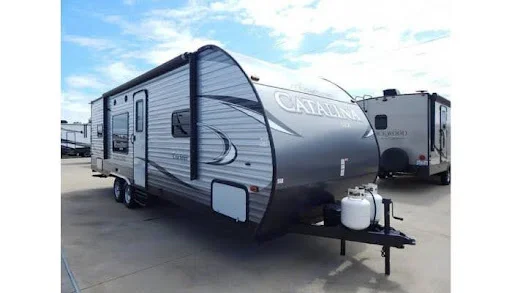
Planning a long journey on the open road can be exciting, but it also comes with many decisions. One of the most popular travel styles today is renting an RV for a road trip because it combines transport, accommodation, and comfort in one moving space. This travel option gives you flexibility, privacy, and control over your schedule while allowing you to explore destinations at your own pace. Whether you are traveling with family, friends, or solo, understanding how RV travel works can help you avoid stress and make the experience more enjoyable. This guide explains everything you need to know, from planning and budgeting to safety, comfort, and practical tips, so you can make confident travel choices.
Renting an RV for a Road Trip: What You Need to Know Before You Start
When people think about renting an RV for a road trip, they often imagine freedom, scenic routes, and flexible stops. While all of that is possible, preparation is still important. An RV is larger than a regular vehicle, and it functions as both transportation and living space. This means you must think about driving comfort, parking options, and daily living needs.
Before starting, understand that RVs come in different sizes and layouts. Some are compact and easier to drive, while others offer more sleeping and storage space. Choosing the right size depends on how many people are traveling and how much comfort you want. You should also check license requirements, as some larger RVs may feel challenging for first-time drivers. Knowing these basics early helps reduce anxiety and allows you to focus on enjoying the journey rather than worrying about logistics.
Why Renting an RV for a Road Trip Is Becoming So Popular?
RV travel has grown in popularity because it offers flexibility that traditional travel cannot always provide. Instead of booking multiple hotels or relying on strict schedules, you can change your plans as you go. This style of travel suits people who enjoy exploring nature, smaller towns, and scenic highways without rushing.
Another reason people prefer RV travel is cost control. While there are upfront rental and fuel costs, you can save on accommodation and cooking expenses. Having your own kitchen allows you to prepare meals instead of eating out every day. RVs also provide a sense of personal space, which many travelers value, especially on longer trips. For families, it becomes a shared experience that feels more like an adventure than a standard vacation.
How to Choose the Right RV for Your Road Trip Needs?
Selecting the right RV is one of the most important steps in planning your trip. The right choice depends on comfort, driving confidence, and travel goals.
Understanding Different RV Sizes and Layouts
RV sizes range from compact models to large motorhomes with multiple sleeping areas. Smaller RVs are easier to drive and park, making them ideal for beginners or couples. Larger RVs offer more space for families and longer trips but may require more confidence behind the wheel. Layout matters too. Some RVs focus on sleeping space, while others prioritize living and storage areas. Think about how much time you will spend inside and what features matter most to you.
Matching Your RV Choice With Your Travel Style
Your travel style should guide your RV selection. If you plan to move frequently and explore cities, a smaller RV is often more practical. If you prefer staying longer in one place and enjoying comfort, a larger RV may be better. Consider road conditions, campsite access, and fuel efficiency as well. Choosing an RV that matches your pace and preferences helps create a smoother and more enjoyable journey.
Planning Your Route and Stops for a Smooth Journey
A successful RV road trip balances planning with flexibility. While spontaneity is part of the fun, having a basic route in mind prevents unnecessary stress.
How Much Planning Is Enough for an RV Road Trip?
You do not need to plan every detail, but you should identify key destinations, rest stops, and overnight parking options. RV-friendly routes help you avoid narrow roads or low bridges that may not accommodate larger vehicles. Planning fuel stops is also important because RVs consume more fuel than regular cars. A simple outline of your route gives structure while leaving room for unexpected discoveries.
Finding RV-Friendly Places to Stay Overnight
Overnight stops are an important part of RV travel. Many travelers prefer campgrounds because they offer basic facilities such as water access and waste disposal. Some areas allow overnight parking, but rules can vary. Researching local regulations helps you avoid fines or inconvenience. Staying in safe and designated areas also provides peace of mind, especially for first-time RV travelers.
Budgeting Tips for Renting an RV for a Road Trip
Understanding costs in advance helps you avoid surprises and enjoy your trip without constant financial worry.
Common Expenses You Should Expect
RV rental fees are just one part of the total cost. Fuel is a major expense, especially on long routes. You may also need to budget for campsite fees, food, and basic supplies. Some rentals include mileage limits, so knowing how far you plan to travel is important. Being aware of these costs helps you set a realistic budget from the beginning.
Smart Ways to Control Your Travel Spending
Cooking meals in your RV is one of the easiest ways to save money. Planning your route efficiently can also reduce fuel usage. Traveling at a steady pace instead of rushing long distances each day can help manage both fuel and stress. Simple planning choices often make a big difference in overall expenses without reducing enjoyment.
Driving and Safety Tips for First-Time RV Travelers
Driving an RV is different from driving a car, but with preparation, it becomes manageable and even enjoyable.
Getting Comfortable Behind the Wheel
Take time to adjust mirrors, seat position, and steering before starting your trip. Practice driving in a quiet area to understand the turning radius and braking distance. RVs require more space to stop, so maintaining safe distances is important. Driving at a relaxed pace helps you stay in control and enjoy the scenery.
Basic Safety Practices While on the Road
Regular checks of tires, lights, and fluid levels help prevent issues. Secure items inside the RV before driving to avoid movement during transit. Staying alert and taking breaks when tired is essential, especially on long stretches of road. Safe driving ensures that renting an RV for a road trip remains a positive experience rather than a stressful one.
Living Comfortably Inside an RV During Long Trips
Comfort plays a big role in how enjoyable your journey feels, especially on longer road trips.
Making the Most of Limited Space
RVs are compact, so organization matters. Keeping personal items stored properly helps maintain a clean and comfortable environment. Using storage areas efficiently allows you to move freely inside the RV. A tidy space also makes daily routines like cooking and resting more pleasant.
Managing Daily Routines on the Road
Establishing simple routines helps you adapt quickly to RV living. Planning meals, managing water usage, and setting regular rest times create a sense of normalcy. Even small habits, like morning coffee or evening relaxation, can make your RV feel like a temporary home. Comfort comes from consistency as much as space.
Environmental Considerations and Responsible RV Travel
Traveling responsibly ensures that natural destinations remain enjoyable for future travelers.
Reducing Your Environmental Impact While Traveling
Using water wisely and minimizing waste are important aspects of RV travel. Proper disposal of waste helps protect natural areas. Driving efficiently and avoiding unnecessary idling can also reduce fuel consumption. Small actions contribute to more sustainable travel experiences.
Respecting Local Communities and Nature
Being respectful of local rules and communities helps maintain positive relationships between travelers and residents. Staying in designated areas and leaving places clean shows consideration for others. Responsible behavior enhances the overall image of RV travelers and supports continued access to scenic destinations.
Common Challenges When Renting an RV for a Road Trip and How to Handle Them
Even well-planned trips can face challenges, but knowing what to expect helps you respond calmly.
Handling Unexpected Weather or Road Conditions
The weather can change quickly, especially in remote areas. Checking forecasts regularly allows you to adjust plans when needed. Slowing down and choosing safer routes during poor conditions is always a wise decision. Flexibility is one of the strengths of RV travel.
Dealing With Minor Mechanical or Living Issues
Small issues such as power management or water usage may arise. Understanding basic RV functions before departure helps you troubleshoot minor problems. Staying calm and informed prevents small inconveniences from becoming major frustrations.
Conclusion
Renting an RV for a road trip offers a unique way to travel that combines freedom, comfort, and adventure. It allows you to explore destinations at your own pace while maintaining control over your living space. With proper planning, budgeting, and awareness, RV travel can be both enjoyable and practical. This travel style suits those who value flexibility, scenic routes, and shared experiences. By understanding the basics and preparing thoughtfully, you can turn your road trip into a memorable journey filled with comfort and discovery.