We have all sat through them. The mandatory corporate retreat. The annual sales kickoff. The leadership summit that promised to be “transformational” but ended up being a series of PowerPoint slides read aloud in a dimly lit ballroom. The coffee is lukewarm, the chairs are uncomfortable, and the audience is checking their emails under the table.
This scenario is the nightmare of every event planner and CEO. You invest time, budget, and logistical effort into gathering your team, hoping to spark change or drive performance. Yet, without the right catalyst, the energy dissipates the moment everyone leaves the room.
The missing ingredient isn’t better catering or a flashier venue. It is the person holding the microphone.
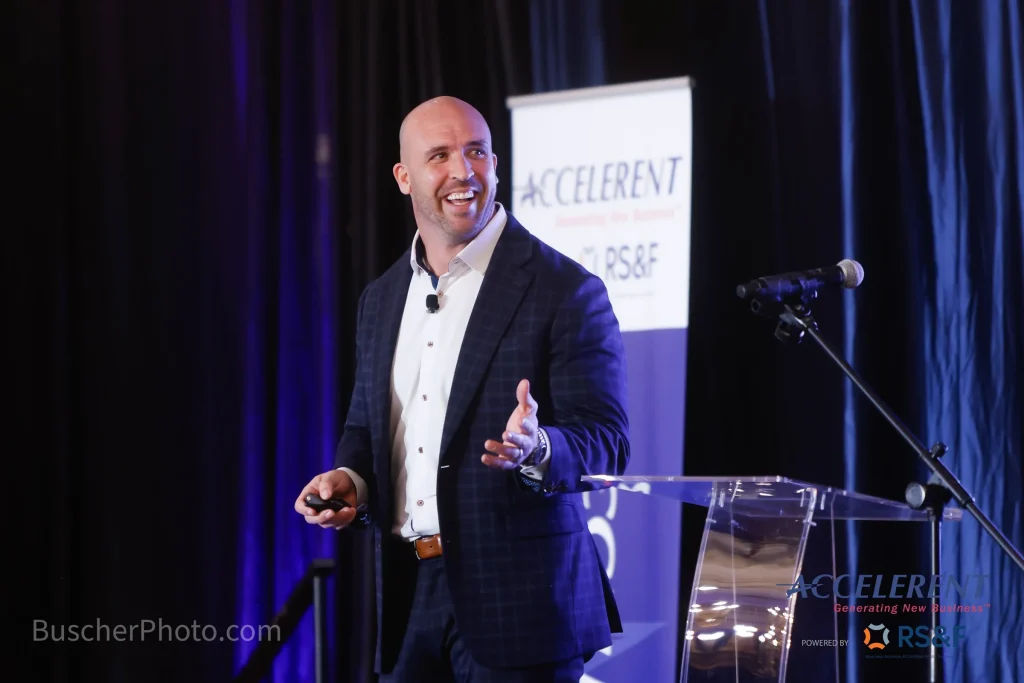
To truly shift culture and inspire action, you need more than a presenter. You need an effective keynote speaker—someone who can bridge the gap between high-performance strategy and deep human connection. This is where a dynamic voice like Caleb Campbell changes the equation entirely.
Beyond the Script: What Makes a Speaker “Effective”?
The term “effective” gets thrown around loosely in the speaking industry. Is an effective speaker just someone who speaks clearly and finishes on time? Absolutely not. In the context of organizational growth, effectiveness is measured by impact.
An effective keynote speaker does not just transfer information; they transfer energy. They possess the rare ability to read a room, understand the unspoken tension or fatigue, and address it head-on. They turn passive listeners into active participants.
When you hire a speaker like Caleb Campbell, you aren’t paying for an hour of talking. You are investing in a shift in perspective. You are bringing in an external force capable of saying what internal leadership perhaps cannot, wrapped in stories that disarm defenses and open minds.
The Power of Vulnerability in Leadership
One of the greatest misconceptions in the corporate world is that professionalism requires a lack of emotion. For years, the standard keynote address was polished, rigid, and ultimately hollow. It focused entirely on metrics and success without acknowledging the struggle required to achieve them.
Modern workforces don’t respond to robots. They respond to authenticity.
This is Caleb Campbell’s superpower. By blending his background—which includes the intense discipline of West Point and the elite performance standards of the NFL—with a raw, honest approach to emotional intelligence, he dismantles the facade of perfection.
When a speaker stands on stage and shares their own battles with burnout, identity, or failure, it grants permission for the audience to do the same. It creates psychological safety. Suddenly, the “leadership strategies” aren’t just abstract concepts; they are survival tools. This vulnerability doesn’t weaken the message; it solidifies it, making the call to high performance feel attainable rather than impossible.
The ROI of Inspiration
Budget committees often ask: “What is the Return on Investment (ROI) of a keynote speaker?” It is a fair question. Unlike a software purchase or a marketing campaign, the results of a speech can feel intangible.
However, the cost of disengagement is very tangible. Gallup research consistently shows that disengaged employees cost companies billions in lost productivity. If your team is burnt out, cynical, or lacking direction, no amount of new policy will fix the problem. You need to reignite the human spirit behind the job title.
An effective keynote speaker acts as a force multiplier. Here is what that looks like in practice:
1. Unified Language
After a powerful keynote, your team walks away with a shared vocabulary. Whether it’s a specific phrase about resilience or a concept regarding “whole person success,” this shared language becomes a shorthand for the culture you are building. It aligns the veteran executive and the new hire on the same frequency.
2. Breaking the Status Quo
Sometimes, an internal message becomes white noise. The CEO can say “we need to be adaptable” a thousand times, and it might not land. But when an external expert—someone who has navigated high-stakes environments like professional sports or military service—validates that message, it lands differently. It provides third-party credibility to your strategic goals.
3. Emotional Retention
People may forget the specific bullet points on a slide, but they never forget how a speaker made them feel. That emotional resonance is what drives retention. When employees feel seen, understood, and inspired, their loyalty to the organization deepens.
Why Caleb Campbell Resonates Now
The current business landscape is volatile. Teams are navigating remote work hybrid models, rapid technological changes, and a general sense of global uncertainty. The old “rah-rah” motivational speeches don’t work anymore because they ignore this reality.
Audiences today are craving substance. They want to know how to sustain high performance without sacrificing their mental health. They want to know how to lead with empathy without losing their competitive edge.
Caleb Campbell fits this specific moment because his narrative lives at the intersection of grit and grace. It is not enough to just “grind harder.” We have to heal, we have to connect, and we have to lead from a place of wholeness. His message resonates because it addresses the whole employee, not just the worker bee.
Bringing the Experience to Your Event
Choosing a speaker is one of the most critical decisions an event planner makes. The speaker sets the tone. They are the anchor. If they fail, the event drifts. If they succeed, they propel the organization forward.
When you look for an effective keynote speaker, look for the following traits:
- Adaptability: Do they customize their message to your specific industry challenges?
- Storytelling: Do they use narrative to illustrate points, or just list facts?
- Presence: Do they command the room with energy that feels authentic?
Caleb Campbell checks every box. He brings a unique energy that wakes up the room, challenges the status quo, and leaves people wanting to be better versions of themselves—not just for the company, but for their own lives.
Frequently Asked Questions
What topics does Caleb Campbell cover?
While tailored to every event, core themes often include leadership development, overcoming adversity, mental agility, the power of vulnerability, and high-performance habits. The focus is always on unlocking the full potential of the human behind the role.
Is a keynote speaker suitable for a small leadership retreat?
Absolutely. In fact, smaller settings can often lead to even more profound breakthroughs. An effective speaker can facilitate workshops or intimate discussions that go deeper than a standard keynote, allowing for direct interaction and coaching.
How far in advance should we book?
To secure an effective keynote speaker such as Caleb Campbell, it is recommended to book as early as possible—ideally 3 to 6 months in advance. High-demand speakers have calendars that fill up quickly, especially during peak conference seasons (Spring and Fall).
Can the presentation be delivered virtually?
Yes. The principles of connection and energy translate through the screen when handled by a pro. A skilled speaker knows how to engage a remote audience, utilizing the camera and interactive elements to ensure the message lands, even across time zones.
Make Your Next Event Matter
Effective keynote speaker such as Caleb Campbell, turns your next event into a transformative experience. With a captive audience and a strategic budget, you can create a pivotal moment that inspires, motivates, and drives meaningful change within your organization.
Transformational change begins with a spark. It starts with someone who can walk on stage, look your team in the eye, and tell them the truth about what it takes to succeed. It starts with hiring a professional who understands the heart of leadership.
If you are ready to move beyond the average and invite a catalyst into your organization, it is time to look for an effective keynote speaker such as Caleb Campbell. Your audience is waiting to be ignited.