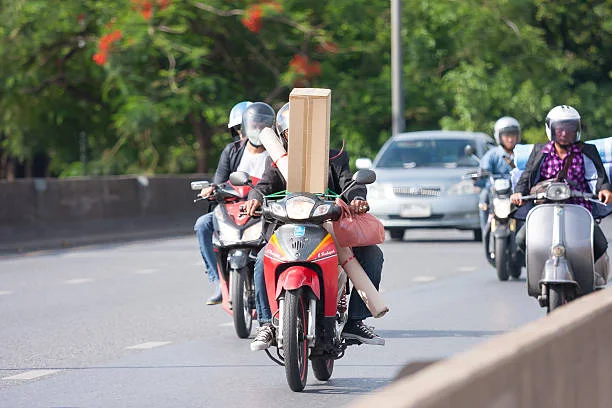
After a motorcycle crash, insurance companies may look for details to reduce their payouts, including whether the bike had an “illegal passenger.” In Louisiana, this can happen if a rider breaks safety rules, exceeds the motorcycle’s design, or has a passenger seated incorrectly. Insurers might claim the rider was reckless or that the passenger contributed to their own injuries.
However, having an “illegal” passenger doesn’t automatically eliminate compensation. It can influence how fault and damages are determined, but the impact varies based on the specific details of the accident. If you’re in a motorcycle accident in Baton Rouge, understanding how passenger issues relate to liability and insurance can help you avoid unfair settlements.
What Counts as an “Illegal” Motorcycle Passenger Situation?
Insurance disputes usually start with the idea that the passenger wasn’t carried safely or legally. This may involve riding double on a motorcycle not designed for two people, lacking proper footrests, or having a passenger position that interferes with control. It can also involve unsafe seating, such as sitting in front of the rider or riding on a cargo area.
Another issue is age or capability. If a passenger is a minor or someone who cannot safely hold on or sit properly, insurers may argue the rider acted negligently by allowing them to ride. The exact rules can depend on motorcycle design and how the passenger was carried.
Does “Illegal Passenger” Automatically Reduce a Payout?
Not automatically. Insurance payouts are supposed to reflect liability (who caused the crash) and damages (what injuries and losses occurred). Passenger legality can matter, but it’s usually not the main question unless it contributed to the wreck or worsened the injuries.
If another driver ran a red light, made an unsafe left turn, or rear-ended the motorcycle, that driver’s negligence may still be the primary cause. An insurer may try to use the passenger issue as leverage, but they still need to connect it to causation or injury severity to justify a meaningful reduction.
How Passenger Issues Can Affect Fault in Louisiana
Louisiana uses a comparative fault system, meaning responsibility can be divided among multiple parties. If the insurer argues the rider’s decision to carry a passenger contributed to the crash—such as reduced braking ability, instability, or slower maneuvering—they may push for a percentage of fault against the rider.
However, that argument has limits. The key question is whether carrying the passenger actually contributed to the collision. A passenger may affect handling, but it does not cause other drivers to speed, violate signals, or fail to yield. Fault should track the real cause of the crash, not just an unrelated rule violation.
When an Illegal Passenger Can Affect the Passenger’s Own Claim
If the passenger was the injured person, insurers may argue assumption of risk or comparative fault. They may claim the passenger knew the ride was unsafe, chose to ride anyway, or failed to wear required safety gear. These defenses are often used to reduce what the passenger receives, not necessarily to eliminate the claim entirely.
Even then, the facts matter. Many passengers don’t understand what is “legal” or “illegal” on a motorcycle, especially if the rider reassures them it’s fine. The passenger’s age, experience, and ability to make informed choices can also affect how these arguments play out.
Injury Severity Arguments: “You Were Hurt Worse Because of the Passenger”
One way insurers try to reduce payouts is by claiming the rider’s injuries were worse because of the extra passenger weight or because the passenger position caused a different fall pattern. This can come up in low-speed tip-overs or sudden stops where balance is a factor.
But insurers still have to prove the connection. In many crashes, the severity of injuries is driven by the impact itself—being struck by a vehicle, thrown from the motorcycle, or sliding across pavement. Passenger presence may not meaningfully change that, especially when the crash was triggered by another driver’s violation.
What If the Motorcycle Wasn’t Equipped for a Passenger?
If the bike lacked proper passenger seating or footrests, insurers may argue the rider violated safety rules and increased risk. That could become relevant if the passenger interfered with control or if the motorcycle became unstable during braking or turning.
Still, this often becomes a secondary issue unless it directly connects to the collision. If the primary cause was an unsafe driver, poor visibility, or a traffic violation, that usually remains the focus. Equipment issues may affect percentage arguments, but they don’t automatically override the other driver’s duty to drive safely.
Evidence That Helps Protect Your Claim
Passenger disputes are easier to counter when the evidence clearly shows the crash cause and how the injuries occurred.
- Video footage. Traffic cameras, dashcams, and nearby surveillance can capture signals, lane positions, and the moments leading up to impact.
- Witness statements. Independent witnesses can confirm who had the right of way and how the crash unfolded.
- Police report details. Report notes on signals, vehicle positions, and observed violations can reduce “he said, she said” arguments.
- Medical records. Treatment documentation helps connect injuries to crash forces—not passenger positioning or “rider error” claims.
- Motorcycle and gear photos. Images of the bike, passenger seat, footrests, helmets, and damage patterns can clarify passenger status and whether it actually contributed.
Insurance Coverage Questions: Whose Policy Applies?
In a motorcycle crash, coverage may involve the at-fault driver’s liability policy, the rider’s motorcycle policy, and potentially uninsured/underinsured motorist coverage if the at-fault driver lacks sufficient insurance. Passenger issues can influence negotiations, but coverage usually depends more on fault and policy terms than on whether a passenger was carried improperly.
Passengers may also have coverage options through the rider’s policy or their own policies in certain situations. Because coverage can be layered and confusing, clarity on which policies apply is important before accepting any payout.
Passenger Legality Is a Detail—Causation Is the Core
An illegal motorcycle passenger can complicate an insurance claim, but it doesn’t always prevent payment. In Louisiana, the key question is whether the passenger issue contributed to the accident or worsened injuries. If it didn’t, insurers shouldn’t use it to deny or reduce payments.
To support your claim, focus on evidence: what traffic rule the at-fault driver broke, what the accident scene shows, and how injuries occurred. When the facts are clear, the “illegal passenger” issue is less important.