
Owning a home means staying ahead of small problems before they grow. Regular inspections help you spot wear, leaks, and safety issues while they are inexpensive to fix. With a plan and a simple checklist, you can make steady progress each season Regular Home Inspections and avoid surprise breakdowns. Think of inspections as your early warning system: they guide your maintenance, protect your budget, and extend the life of big-ticket items.
The Real Cost of Falling Behind
Homeownership expenses are more than mortgage and taxes. A 2024 consumer analysis estimated that the average annual cost to own and maintain a typical single-family home lands in the five figures. That figure includes the slow, everyday wear that inspections are designed to catch.
Skipping maintenance can quietly drain your home’s value. Neglect can trim a home’s value each year, while steady upkeep may nudge it upward. If you plan to sell in the next few years, that gap adds up.
When you know what needs attention, you schedule repairs on your terms and lock in lower costs. That discipline keeps records tidy, which helps during refinancing, insurance renewals, or a sale.
Weather and Insurance Risks Go Hand in Hand
In hazard-prone states, insurance costs are already under pressure. Places with frequent disasters face some of the least affordable homeowners’ coverage, and roof claims in particular tend to push costs even higher.
Routine roof checks are a powerful lever in this environment. If an inspection finds curled shingles, popped nails, or soft decking, timely repairs can prevent a costly replacement later. If that scenario happens, look into St. Petersburg roof replacement contractors to do the job right. Your contractor will adapt to roofing trends and advise you on repair vs replace with real evidence.
How a Small Drip Becomes a Big Bill
Water moves fast once it finds a path. Typical household leaks can waste close to five gallons each year. That is not only a utility bill problem: it is hidden rot, mold risk, and ruined finishes.
Inspections target leak sources before they spread.
Check under sinks, behind appliances, around toilets, and at hose bibs. In the attic, look for dark rings on sheathing and rusty nail tips. Outside, inspect caulk lines, flashing, and irrigation. Small fixes here pay off quickly.
- Meter test: watch the water meter when all fixtures are off
- Dye test: food coloring in toilet tanks to spot silent runs
- Hoses: inspect washing machine and dishwasher lines for bulges
- Caulk: refresh around tubs, showers, and exterior penetrations
- Gutters: clear clogs so water moves away from the siding and foundation
Seasonal Cadence That Actually Works
Think in seasons so the work never piles up. Spring is for roof, gutters, grading, and exterior paint. Summer focuses on cooling, shade, irrigation Regular Home Inspections, and pest entry points. Fall shifts to the roof again, heating, weatherstripping, and drainage. Winter emphasizes freeze protection, humidity, and safety devices.
Tie inspections to simple triggers. After heavy wind or hail, do an extra roof and siding check. Following a plumbing project, recheck for slow drips over the next week. After guests leave, test GFCIs and reset any tripped breakers. Small habits keep your list short.
What to Look For In Each Area
Work top down. Start with the roof, attic, and eaves. Look for missing or loose shingles, worn sealant at penetrations, soft decking, and daylight at ridges. In the attic, scan for damp spots, compressed insulation, and blocked soffit vents.
Move to the exterior. Check grading so soil slopes away from the foundation. Inspect siding for cracks, peeling paint, and gaps at trim. Open and close windows Regular Home Inspections to test seals. Walk the interior for hairline ceiling cracks, door misalignment, or musty smells that point to moisture.
Room-by-room quick hits:
- Kitchen: sink traps, dishwasher line, range hood filter, GFCI test
- Bathrooms: toilet base movement, caulk gaps, fan airflow, shutoff valves
- Laundry: lint path at dryer vent, hose age, and drain pan condition
- Living areas: window seals, baseboard gaps, floor soft spots near plumbing
- Garage: door reversal test, water heater pan, slab cracks, trip hazards
DIY vs Pro
Plenty of inspection tasks are safe DIY. Changing HVAC filters, re-caulking a tub, tightening a loose trap, or patching small exterior caulk lines all fall into that bucket. If you’re comfortable on a sturdy ladder and the pitch is mild, a close visual roof scan is reasonable in dry, calm weather.
Call a pro when the stakes or risks rise. Electrical issues, structural movement, gas lines, chimney flues, and any roof work beyond minor sealant touch-ups belong with licensed experts. The same goes for complex leaks or anything that requires opening walls. Paying for the right help early shields you from higher costs later.
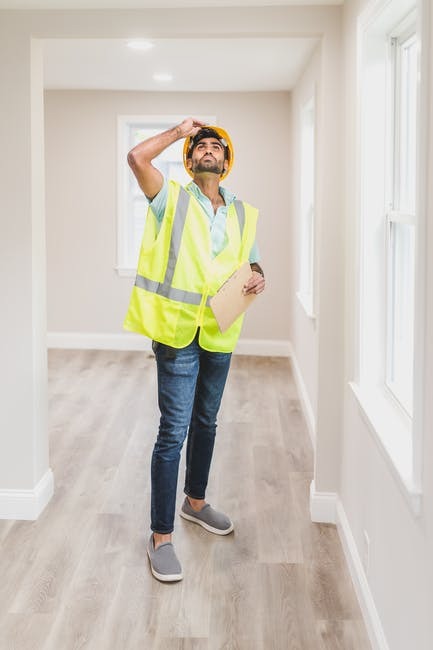
Regular inspections are about calm control Regular Home Inspections. You spend a little time now to avoid stress later, and you learn how your home behaves across seasons. With a simple checklist, smart documentation, and help from pros where it counts, you keep surprises rare and your home solid for the long run.
Step beyond this page—discover more insights waiting for you today at 2A Magazine.