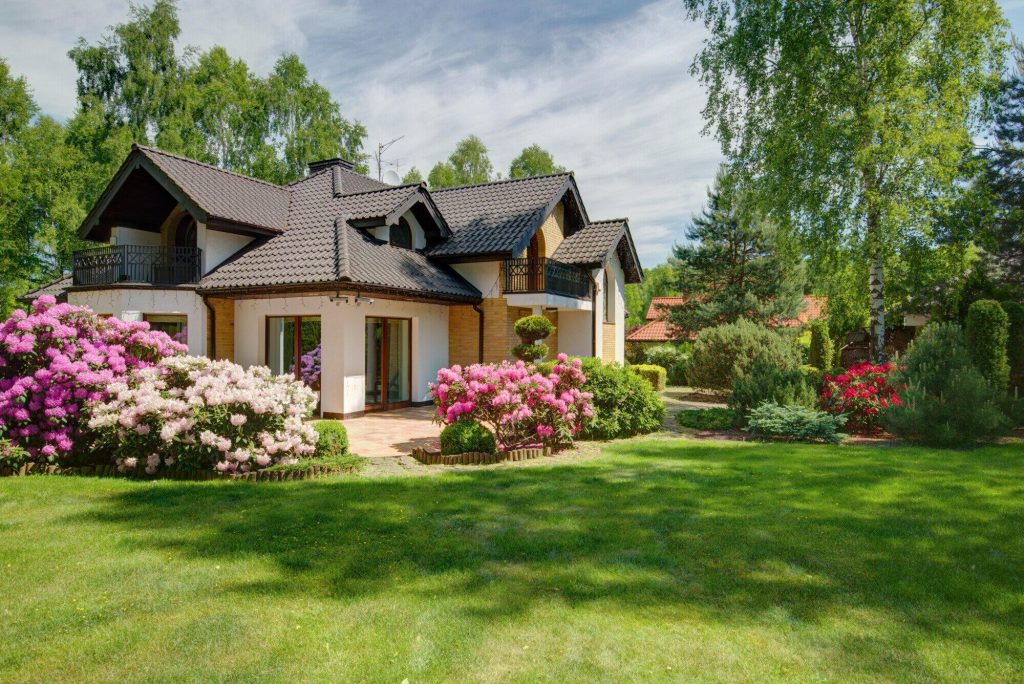
Many nature lovers dream of outdoor spaces that feel natural and welcoming. Yet upkeep and resource use can quickly turn that dream into a chore. Smart landscaping techniques help reduce stress while keeping your yard healthy and beautiful.
Picture a garden filled with native plants that grow with ease and support local wildlife. This approach boosts biodiversity and lets you enjoy nature with less work and greater satisfaction.
Let’s explore simple, eco-friendly landscaping ideas that work with nature, not against it.
Understanding Your Space
Before choosing landscaping techniques, take time to understand your space. Look at the slope of the land, the local climate, and the plants already growing there.
These details help you decide what will grow well and where each plant should go. For example, soggy areas need different plants than dry, sunny spots.
A soil test can reveal nutrient levels, pH, and soil health. Knowing this makes it easier to support strong plant growth.
It also helps to draw a simple plan of your yard before you start. A clear layout lets you see the big picture and adjust your ideas early.
Native Plants: The Heart of Your Landscape
One of the most effective landscaping techniques is using native plants. These plants are suited to the local climate and soil, which helps them grow stronger and resist pests and disease. Choices like sunflowers or coneflowers add bright color and attract helpful pollinators such as bees and butterflies.
Landscapes with native plants often need less water and care. They grow naturally without constant attention or heavy treatments.
By choosing native species, you support local wildlife and help maintain a healthy ecosystem. These plants also create safe spaces for birds and insects while reducing the need for chemicals and frequent watering.
Efficient Water Management
Efficient water use is a vital part of sustainable landscaping. With the right strategies, you can keep plants healthy while reducing waste and long-term maintenance.
Smart Irrigation Methods
Water management plays a key role in creating a low-maintenance landscape. Drip irrigation systems send water straight to plant roots, which helps reduce waste. This slow, steady flow allows the soil to absorb moisture more effectively and supports healthier plant growth.
Sustainable Rainwater Use
Rainwater harvesting adds another eco-friendly layer to your landscape. Collecting rain in barrels gives you a natural water source for your plants. This approach lowers dependence on treated water while helping your garden stay hydrated during dry periods.
Creating Functional Spaces with Hardscaping
Efficient landscaping isn’t only about plants; hardscaping plays an important role in both function and design. Well-planned hardscape elements add structure, improve usability, and reduce long-term maintenance.
Defining Outdoor Areas
Hardscaping helps shape clear spaces in your yard. Patios, paths, and seating areas give each zone a purpose. This layout makes the space feel organized and easy to enjoy.
Improving Drainage and Soil Protection
Stone paths and gravel areas help manage water flow and reduce soil erosion. They allow rainwater to move naturally while protecting plant roots. This improves overall landscape health and prevents muddy or damaged areas.
Reducing Maintenance Needs
Using hard materials limits the amount of space that requires watering or mowing. This cuts down on upkeep while keeping the yard attractive. With the right balance, hardscaping supports a tidy look with less effort.
Smart Mulching Techniques
Using mulch is a simple but powerful way to make landscaping easier. It helps plants stay healthy while reducing the time and effort needed for upkeep. Mulch also improves soil quality and protects your garden throughout the year.
Retaining Soil Moisture
Mulch keeps soil damp by slowing down evaporation. This means plants need less frequent watering. It is especially helpful during hot or dry periods.
Suppressing Weeds
A thick layer of mulch blocks sunlight, preventing weeds from growing. This reduces the need for constant weeding. Less competition from weeds allows your plants to thrive.
Regulating Soil Temperature
Mulch acts as a protective layer, keeping soil cooler in summer and warmer in winter. This helps plant roots stay healthy year-round. It also reduces stress on plants from extreme temperatures.
Improving Soil Health
As organic mulch breaks down, it adds nutrients to the soil. This enriches the ground naturally over time. Healthier soil supports stronger, more resilient plants.
Utilizing Technology for Better Results
Technology can make landscaping easier, more efficient, and more precise. From planning to maintenance, the right tools help you save time and improve results. Here’s how technology can boost your outdoor space.
Smart Irrigation Systems
Automated irrigation systems deliver the right amount of water at the right time. Sensors can detect soil moisture and adjust watering schedules automatically. This prevents overwatering and keeps plants healthy with less effort.
Landscape Design Software
Digital design tools let you plan your yard before planting. You can visualize layouts, test plant placements, and experiment with hardscape features. This reduces mistakes and ensures a well-organized, functional landscape.
Maintenance Apps and Tools
Apps and smart devices can track watering, fertilizing, and plant health. They remind you when tasks are due and help you monitor progress. This keeps your landscape thriving while reducing guesswork.
Drones and Aerial Imaging
Drones provide a bird’s-eye view of your property for planning and monitoring. They help identify problem areas and assess growth patterns. Using aerial images makes large-scale landscaping easier to manage.
Incorporating Grass Catchers
For anyone caring for a lawn, using tools like grass catchers for residential use can make a big difference. Grass catchers collect clippings while you mow, saving time on cleanup. Instead of throwing them away, you can compost the clippings or use them as mulch to enrich your garden.
This approach reduces extra waste and keeps your yard looking tidy. It works well with native plants and hardscape features, helping your landscape stay healthy and attractive with less effort.
Embracing Sustainable Landscaping Techniques
Incorporating efficient landscaping techniques not only enhances the beauty of your outdoor space but also promotes sustainability. By focusing on native plants, effective water management, and practical hardscaping, you can create a landscape that works harmoniously with nature.
These methods reduce maintenance and resource consumption, allowing you to enjoy your garden with minimal effort. Start by implementing these strategies, and watch your landscape flourish in a way that truly respects the environment.
Is this article helpful? Keep reading our blog for more.