Central Africa offers rare wildlife moments felt close and personal. Forests breathe softly while animals move freely nearby today.
Travelers’ eyes meet through leaves, shadows, and mist. Each step brings wonder, learning, respect, patience, and quiet joy. What happens when humans slow down inside wild places?
Close encounters teach care balance and shared survival stories. Central African safaris feel intimate, guided, thoughtful, and deeply moving. Small groups follow paths shaped by animals, seasons, and weather.
Every sound footprint glance builds a connection beyond simple sightseeing. Read on to discover simple lessons from nature through safe adventures.
Forest Giants and Gentle Paths
Central Africa holds thick forests where wildlife lives very near visitors. Tall trees form green roofs, keeping light soft and cool. Guides lead small groups along narrow paths used by animals.
You may hear branches move before seeing shapes appear. Forest elephants pass quietly, leaving deep prints behind. Antelope pause, then step away with care.
Birds flash colors above mossy trunks. The forest feels alive and watching. Visitors learn to walk slowly and breathe calmly.
Silence becomes important and respected. This space teaches patience and listening skills. Children understand how animals need calm surroundings.
The experience feels safe, guided, and respectful. People leave knowing forests protect many lives together.
Learning happens naturally without loud words or fast movements. The forest rewards kindness with unforgettable moments.
Primate Meetings That Build Respect
Primates share strong family bonds, easily seen during close visits. Monkeys groom each other and watch young ones play. Faces show feelings clearly, even without words.
Guides explain rules that keep animals comfortable. Visitors keep a distance and follow simple steps. This care helps primates stay calm and healthy.
Forest chimpanzees move between trees using strong arms. Their calls echo and fade softly. Watching them teaches teamwork and trust. Children notice similarities and differences with humans.
Learning feels exciting and gentle. No feeding or touching is allowed. Respect keeps these meetings safe for everyone.
Such moments inspire the protection of forest homes. Visitors leave with empathy and a better understanding. The lesson stays long after the forest walk ends.
Gorilla Encounters Guided With Care
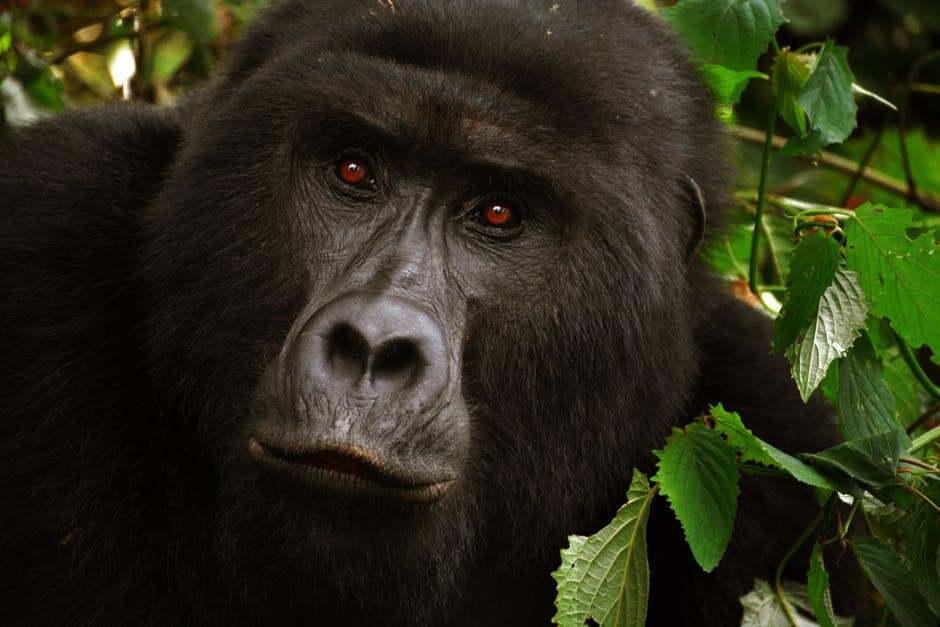
Mountain gorillas live in protected areas with strong community support. Trained guides prepare visitors before entering forest zones.
Rules are clear, simple, and followed closely. One special experience includes Uganda gorilla trekking, known for careful planning.
Rangers track families daily to reduce stress. Visitors spend limited time watching peaceful behavior.
Gorillas eat leaves, rest, and watch quietly. Their size feels powerful yet calm. Breathing slows as everyone observes respectfully.
Children learn patience by standing still. Cameras stay low and silent. This balance protects gorillas and people together.
Communities benefit through jobs and conservation funding. Education grows from seeing protection work.
These meetings show how care keeps wildlife safe. Respect turns wonder into responsibility.
Birdlife Colors Filling Open Skies
Central Africa skies host many birds with bright colors. Wetlands, forests, and savannas support different species. Guides help spot movement and identify calls.
Binoculars bring details closer without harm. Kingfishers dive fast near water edges. Hornbills glide between trees with strong wings.
Small birds sing patterns that mark territory. Children learn how birds help nature thrive. Seeds spread, and insects stay balanced.
Quiet watching improves focus and patience. No chasing or loud sounds happen. Each sighting feels like a reward.
Learning names builds curiosity and memory. Protecting habitats keeps birds returning yearly. These moments teach that small lives matter greatly.
Night Walks Reveal Hidden Wildlife
Some animals move mostly after sunset, avoiding daytime heat. Night walks happen with trained guides and lights.
Rules keep groups together and calm. Eyes shine briefly in beams, then disappear. Bush babies leap between branches quickly.
Insects glow or sing softly nearby. Sounds become clearer at night. Children learn that fear fades with knowledge.
Guides explain safety and respect. No touching or chasing occurs. This experience feels exciting but controlled.
Learning continues even in darkness. Night wildlife shows different survival skills. Balance between curiosity and care remains important.
Visitors understand nature works all hours. Respect keeps nights peaceful and safe.
Waterways Supporting Life Everywhere
Rivers and lakes shape wildlife movement across Central Africa. Animals visit water daily to drink and cool. Boat trips allow safe viewing from a distance.
Hippos rest while birds stand nearby. Crocodiles sun quietly along banks. Fish jump, creating quick splashes.
Guides explain the importance of survival. Children see how life connects. Pollution rules protect these places strongly.
Quiet boats reduce stress for animals. Learning happens through calm observation. Waterways support farms and villages too.
Conservation protects people and wildlife together. These scenes show balance clearly.
Caring for water means caring for life. Simple actions make lasting protection possible.
Community Guides Sharing Local Knowledge
Local guides grow up near wildlife areas and understand them deeply. Training teaches safety, care, and clear communication. Stories shared add meaning to each walk.
Children listen closely and ask questions freely. Guides explain tracks, plants, and weather signs. This knowledge keeps trips safe and educational.
Communities benefit through fair tourism jobs. Respect grows between visitors and residents. Cultural lessons join wildlife learning naturally.
Simple rules are easier to follow when explained kindly. Trust builds during shared experiences. Conservation becomes a shared goal.
Visitors support schools and health projects indirectly. Learning feels personal and real. People leave knowing that cooperation protects nature best.
Protecting Habitats Through Responsible Travel
Responsible travel keeps wildlife encounters safe and meaningful. Group sizes stay small to reduce pressure.
Paths limit damage to plants and soil. Rules prevent feeding or touching animals. Fees support parks and rangers.
Children learn that choices have effects. Simple actions protect homes for animals. Recycling and clean camps reduce waste.
Local food supports nearby families. Education continues after trips end. Visitors share lessons with others.
Conservation becomes a habit, not a moment. Nature rewards care with lasting memories.
Future generations benefit from protection today. Respect guides every decision made. Travel becomes a force for good.
Learn Close-up Wildlife Encounters in Central Africa
Close-up wildlife encounters in Central Africa teach powerful lessons using simple moments. Children and adults learn patience, respect, and responsibility through calm observation.
Animals remain safe because rules guide every step. Communities gain support while protecting their natural heritage.
Forests, rivers, and skies show how life connects closely. These experiences feel exciting without being loud or harmful. Learning happens naturally, guided by skilled local experts.
When travel focuses on care, everyone benefits together. Protecting wildlife becomes clear and meaningful.
Did you find this article helpful? If so, check out the rest of our site for more informative content.