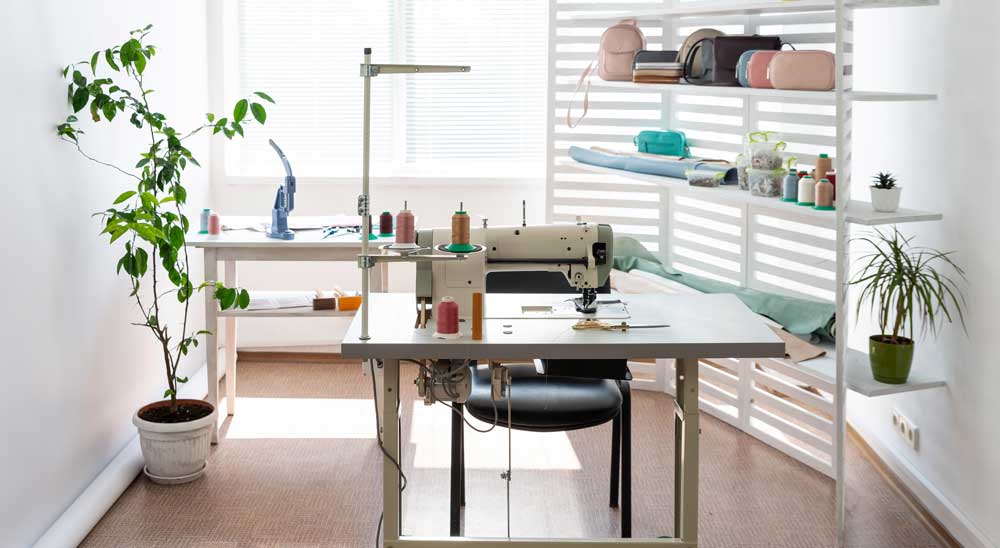
Industrial sewing machines are powerful tools designed for efficiency, durability, and high-volume production. However, their performance and the quality of work depend not only on the machines themselves but also on the surfaces they’re mounted on. Sewing machine tables are a fundamental yet often overlooked component of any professional sewing setup. Choosing the right table can enhance productivity, improve ergonomics, and extend the lifespan of your equipment.
Why Industrial Sewing Machine Tables Matter
Industrial sewing machine tables are engineered to support heavy-duty machines and the demands of continuous use. Unlike standard household tables, these surfaces are built to withstand significant vibration, heavy materials, and the rigorous pace of industrial environments.
Key functions include:
- Stability: A sturdy table minimizes vibration and movement, ensuring precision stitching and reducing wear on machine components.
- Ergonomics: Proper table height and design help prevent operator fatigue and injury, which is vital in production settings where workers may sew for hours.
- Organization: Built-in tool storage and workspace layout can streamline workflow and keep essential items within reach.
Features to Look For
When selecting a table for an industrial sewing machine, consider the following features:
1. Material and Durability
Tables are typically made from high-grade materials like laminated particleboard or solid hardwood, often reinforced with steel frames. Durable surfaces resist warping and withstand the pressure of industrial sewing.
2. Size and Workspace
The table should provide ample room for fabric manipulation, especially for large projects. Extended worksurfaces accommodate bulky materials like upholstery, leather, or multiple layers of fabric.
3. Adjustable Height
Height-adjustable tables allow operators to customize their workspace, promoting comfort and reducing strain. This is especially useful in settings with multiple users of varying heights.
4. Integrated Storage and Accessories
Drawers, shelves, and compartments keep threads, needles, scissors, and other tools neatly organized and easily accessible, enhancing productivity.
Types of Industrial Sewing Tables
Industrial sewing tables come in several configurations:
- Standard Straight Tables: Simple, flat surfaces ideal for general sewing tasks.
- Ergonomic Tables: Feature curved cutouts or adjustable sections to reduce strain and improve reach.
- Heavy-Duty Tables: Reinforced designs for high-speed and heavy-material sewing.
- Custom Tables: Tailored to specific workflow needs or machinery setups.
For a variety of high-quality tables and tops designed for sewing machines, you can explore options at https://prizzisewing.com/collections/sewing-tables-top.
Installation and Maintenance
Proper installation ensures that the machine sits flush with the table surface, reducing vibration and enhancing stitch quality. Regular maintenance includes checking fasteners, keeping surfaces clean, and ensuring all moving parts (such as height adjustments) function smoothly.
Conclusion
Selecting the right table for an industrial sewing machine is more than a matter of convenience—it’s an investment in efficiency, comfort, and quality. Whether you’re setting up a small workshop or optimizing a large production line, a well-chosen table can make a substantial difference in performance. From stability to workspace layout, the right surface supports your sewing process every step of the way.
Found this article useful? Keep browsing the rest of this section for more.