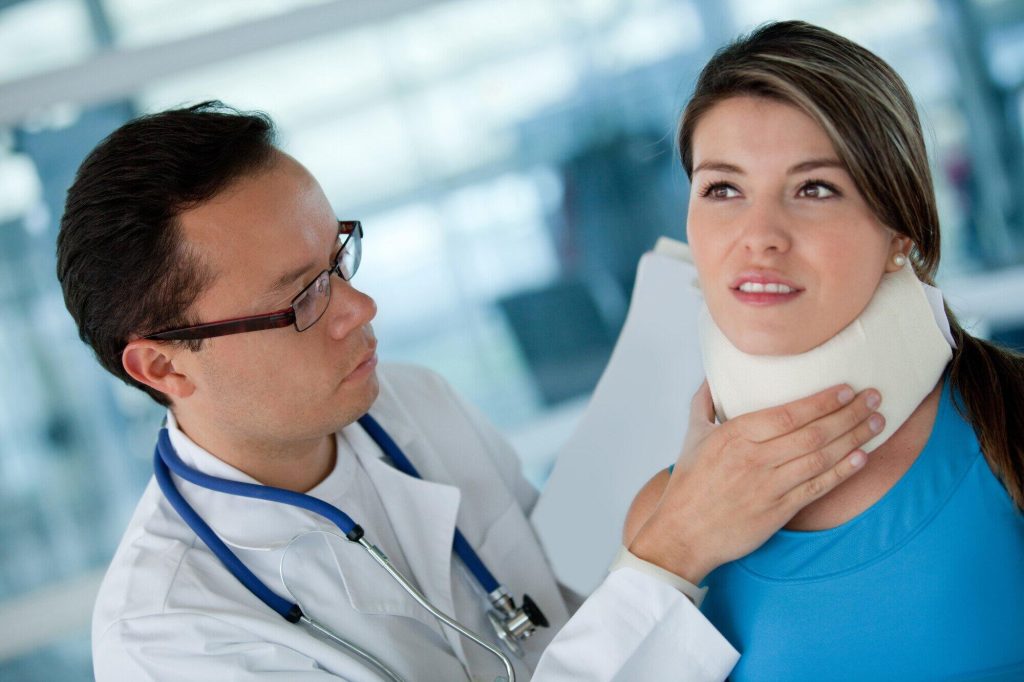
Have you ever wondered what happens right after an accident when pain and fear feel overwhelming? Many people think only about fixing visible injuries, but true healing starts with proper medical care. The Role of Medical Professionals in Post-Accident Care matters because early choices can shape long term health.
Doctors, nurses, and other experts guide patients through exams, tests, and safe treatment steps. Their calm actions help reduce stress while protecting the body from hidden harm.
By reading this guide, you will learn how medical teams support recovery, prevent future problems, and help people regain confidence after an accident safely.
The Role of Medical Professionals in Post-Accident Care
After an accident, medical professionals take charge of care from the first moment. They ask clear questions and listen closely to understand pain and movement limits. Tests like scans and simple checks help them see injuries that are not easy to notice.
This careful work lowers the risk of missed problems that can worsen later. Doctors also explain what the body needs to heal well. They guide rest, medicine, and follow up visits in simple terms.
Their training allows them to act fast while staying calm, which helps patients feel safe during a stressful time. Early care also builds a clear record that supports future treatment and steady recovery for many patients over weeks and months after injuries as healing continues with guidance provided.
How Medical Teams Find Hidden Injuries
Finding the right care path matters for lasting health after accidents. Medical teams review symptoms over time and adjust treatment when needed. They watch for swelling, pain changes, or signs of stress that can slow healing.
Clear plans help patients know what steps come next and why they matter. Referrals may be given to match injuries with the right expert support. Some people ask about the doctor to see after a car accident when pain feels confusing.
Professionals help answer this question by guiding patients to care that fits their needs and injury type. This guidance lowers worry and prevents delays that can lead to longer recovery times for both young and older patients alike seeking steady progress after sudden life changes and injuries.
Beyond Treatment
Treatment does not stop after the first visit. Medical professionals check progress and support daily healing habits. They explain safe movement, rest needs, and warning signs to watch at home.
Emotional care also matters after accidents that cause fear or shock. Kind words and clear answers help patients feel understood and hopeful. Follow up visits allow teams to catch problems early and update plans.
This steady care helps people return to school, work, and normal routines with confidence over time. It also supports families who want clear guidance during recovery.
Trust grows when care stays steady and honest through each stage. This approach lowers setbacks and builds strength day by day until full healing feels possible for most patients involved in the process overall.
Expert Care Matters
Recovery after accidents depends on more than time alone. Skilled care shapes how the body and mind heal together. Understanding The Role of Medical Professionals in Post-Accident Care helps people make calm and informed choices.
From early exams to follow up support, these experts guide each step with care. Their knowledge reduces risk and builds confidence during recovery. When patients know what to expect, fear fades and trust grows.
Strong medical support turns confusion into clear direction and steady healing often.
Did this guide help you? Browse the rest of this section for more advice on a variety of topics.