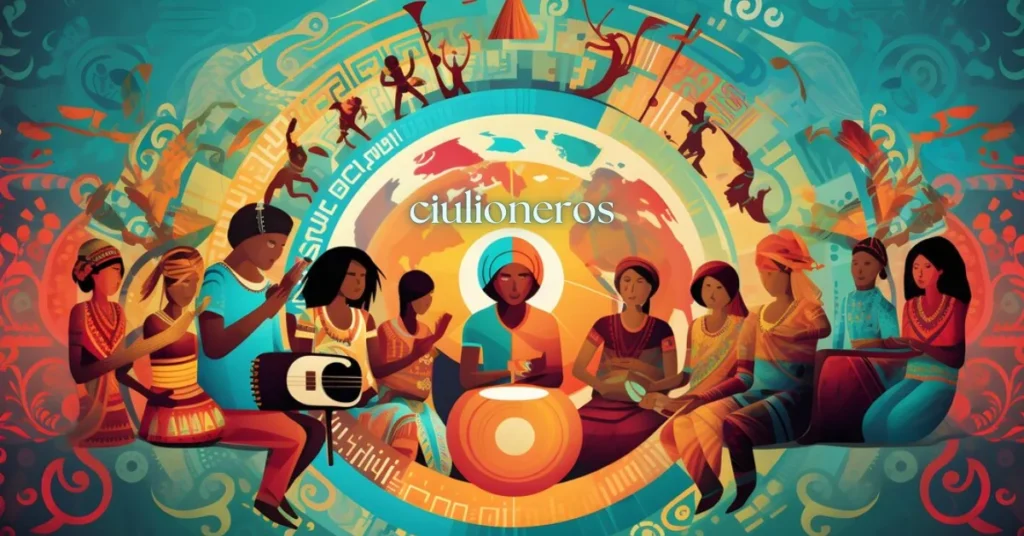
Picture this: you’re scrolling through your feed and you see a word you’ve never encountered before. It sounds Spanish, maybe indigenous, maybe something in between. It carries weight — the kind a word gets only after generations of use. That word is Ciulioneros, and in 2026, it’s quietly becoming one of the most compelling cultural concepts to enter mainstream conversation.
So what exactly is Ciulioneros? And why are people from digital communities to heritage circles suddenly paying attention to it?
What Ciulioneros Actually Means — And Why It’s Hard to Pin Down
Ciulioneros is widely believed to have evolved from a combination of languages — most notably indigenous and regional dialects spoken across Latin America. It reflects themes of cultural identity and perseverance, expressing an essence tied to communities that cherish distinctive traditions.
But here’s what makes it interesting: it doesn’t have one fixed definition, and that’s intentional.
For some, Ciulioneros suggests a group identity shaped by heritage, creativity, and belonging. For others, it feels like a modern label used in digital spaces to represent originality, attitude, or a certain artistic mood. This flexibility gives the term a wider emotional and social range than more rigid words.
Think of it like the word “bohemian.” Once rooted in a very specific place and people, it eventually grew into a feeling, an aesthetic, a way of living. Ciulioneros is doing something similar — but faster, in the age of the internet.
The People Behind the Name: Who Are Ciulioneros?
Originally, the term described individuals who engaged in unique ceremonial roles within their communities. They were seen as custodians of knowledge and cultural identity.
Over time, that role evolved. In traditional settings, Ciulioneros often refers to people who protect their culture — dancers, musicians, storytellers, or community leaders who keep traditions alive and pass them on to younger generations.
Imagine a village gathering — fire lit, elders speaking, young people learning songs they’ll teach their own children one day. The people organizing, leading, and preserving that moment? Those are Ciulioneros in the most original sense of the word.
And that spirit didn’t stay in villages. It moved online.
From Local Tradition to Digital Movement
Some researchers suggest Ciulioneros started as a local nickname in small communities, used during festivals, gatherings, or even friendly exchanges between groups. Later, the word spread online and gained new meanings. What makes it remarkable is that there’s no official record — it grew naturally, through people, through stories, through use.
That organic growth is actually a big reason why it resonates. People are exhausted by manufactured trends. Something that grew through genuine cultural energy feels different. It feels real.
According to cultural anthropologists who study language migration online, terms that carry embedded community meaning tend to spread further and stick longer than coined buzzwords. Ciulioneros fits that pattern precisely.
What Ciulioneros Culture Actually Looks Like
In Ciulioneros tradition, daily routines are steeped in customs that honor ancestors and nature. One notable practice is communal storytelling — elders share tales passed down through generations, preserving knowledge and fostering community bonds. Craftsmanship thrives too, with locals creating artisanal products using techniques honed over centuries. Rituals mark important life events such as births, marriages, and harvests, often involving music, dance, and elaborate attire.
Here’s how the cultural pillars of Ciulioneros break down:
- Storytelling — oral history as the backbone of identity
- Music & Dance — not performance, but participation; everyone joins
- Craftsmanship — handmade goods that carry ancestral technique
- Food traditions — communal meals tied to seasonal and spiritual cycles
- Community ceremonies — rituals that mark life’s major transitions
You can think of it like a house with many rooms. One room is storytelling. Another is food. Another is music. Another is family and community life. All of these parts connect with each other — that’s what gives Ciulioneros its rich and layered meaning.
The Modern Face of Ciulioneros: Social Change and Activism
What’s particularly striking about Ciulioneros in 2026 is how the term has expanded beyond heritage preservation into something more active — even political.
A growing movement under the Ciulioneros banner has emerged, driven by a shared desire for social change and empowerment, with a strong focus on advocating for marginalized communities and environmental sustainability.
By amplifying marginalized voices, this movement intends to influence policy changes that enhance social justice and equity. Members are increasingly harnessing digital platforms to connect like-minded individuals worldwide while sharing stories of resilience.
This dual nature — ancient roots, modern activism — is exactly why Ciulioneros is attracting attention across such different audiences. Historians find it fascinating. Activists find it useful. Artists find it inspiring.
Real Voices: What Ciulioneros Means to Individuals
The movement isn’t abstract. It has faces.
Take someone like Maria — growing up in a marginalized community, she felt invisible. Joining the Ciulioneros movement transformed her life, giving her purpose among people who shared her vision for change. Or Javier, whose passion for art fueled his activism, creating murals that tell stories of resilience and connecting local youth to creative expression.
These aren’t curated PR stories. They’re the kind of personal narratives that cultural movements are built on — messy, real, and deeply human.
Why Ciulioneros Matters in a Fragmented World
We live in a time when cultural identity is both more visible and more fragile than ever. Globalization flattens differences. Algorithms favor content that travels fast, not content that carries meaning. In that context, something like Ciulioneros feels almost countercultural.
Many people see Ciulioneros as an example of how culture can survive and grow. Their story carries an important message: progress does not mean leaving the past behind — it means carrying it forward in new and meaningful ways.
Industry experts studying cultural preservation note that communities with strong identity anchors — like a shared name, shared rituals, and shared stories — show significantly higher resilience to cultural erasure. Ciulioneros has all three.
For anyone interested in how identity works in the digital age, Wikipedia’s overview of cultural identity offers useful context on why these anchors matter so much.
Who Should Actually Care About Ciulioneros?
Honestly? A wider audience than you might think.
- Travelers looking for authentic, off-the-beaten-path cultural experiences
- Researchers and academics studying identity, language, and oral tradition
- Activists building community-centered movements
- Artists and creatives drawn to heritage aesthetics and storytelling
- Anyone feeling disconnected from their own cultural roots
As National Geographic has long explored, the world’s most resilient communities are those that maintain cultural memory while adapting to change. Ciulioneros is a living case study of exactly that balance.
The Future of Ciulioneros
The trajectory is clear. As conversations around cultural preservation, indigenous identity, and community-led activism grow louder in global discourse, Ciulioneros is positioned to move from niche curiosity to recognized cultural framework.
In recent months, the term has appeared in cultural blogs, digital publications, and even academic circles. That’s not an accident — it’s a word whose moment has arrived.
What happens next depends largely on the people who carry it forward. If the community manages to maintain its depth while expanding its reach, Ciulioneros could become one of those rare terms that genuinely crosses cultural borders without losing its soul.
And in 2026, that would be something worth paying attention to.
Conclusion
Ciulioneros isn’t a trend designed in a marketing room. It’s a word with roots, with people, with stories attached to it. Whether you encounter it as a cultural tradition, a digital identity, or a social movement, the core remains the same — it’s about belonging to something larger than yourself. If you’ve been curious about what it means, now you know: it means exactly what your community needs it to mean. And that’s the point.
FAQs
Q1: What does Ciulioneros mean literally?
There’s no single literal translation. The term blends indigenous and regional Latin American linguistic roots and carries meaning through cultural use rather than dictionary definition. Its power lies in its flexibility.
Q2: Is Ciulioneros a place or a group of people?
It can be both, depending on context. Some use it to refer to a cultural community with shared traditions. Others reference it as a place-based identity tied to specific regional customs and heritage.
Q3: How is Ciulioneros different from other cultural identity terms?
Most cultural labels are either geographic or ethnic. Ciulioneros is neither strictly — it’s built around shared values, practices, and storytelling rather than a fixed location or bloodline, which makes it more inclusive and adaptive.
Q4: Is the Ciulioneros movement only in Latin America?
Not anymore. While its roots are Latin American, the movement’s digital expansion means people from various backgrounds have adopted the term to describe their own community-centered, tradition-preserving identities.
Q5: How can someone engage with Ciulioneros culture?
Start with listening. Seek out oral histories, community festivals, artisan crafts, and music tied to the tradition. Many practitioners share content online. Engagement means learning before claiming.