Business cards remain one of the most effective and widely used tools in professional networking. Even in a digital-first world, exchanging business cards creates a personal connection and leaves a tangible reminder of a brand or individual. However, not all business cards are created equal. The choice between premium business cards and standard cards can significantly influence how a brand is perceived.
This article explores the differences between premium and standard business cards, their impact on branding, and how businesses can decide which option best supports their goals.
The Importance of Business Cards in Modern Branding
Business cards serve as more than just contact information. They are a physical representation of a brand’s identity, values, and professionalism. When someone receives a business card, they often form an immediate impression based on its design, material, and quality.
High-quality business cards communicate credibility and attention to detail. They suggest that a business takes itself seriously and values professional presentation. Standard business cards, while more basic, still play an important role, especially for everyday use and large-scale distribution.
Understanding the purpose of business cards within a broader branding strategy is essential before choosing between premium and standard options.
What Are Standard Business Cards
Standard business cards are typically printed on basic cardstock with a simple finish. They are widely used because they are cost-effective and easy to produce in large quantities.
Common characteristics of standard business cards include:
- Regular cardstock thickness
- Basic matte or gloss finish
- Simple printing techniques
- Traditional rectangular shape
Standard business cards are practical and functional. They clearly present contact details and branding elements without additional features. For startups, small businesses, or professionals who need to distribute cards frequently, standard cards can be a sensible choice.
Despite their simplicity, standard business cards can still look professional when designed well. Clean layouts, readable fonts, and consistent branding ensure that even basic cards represent the business positively.
What Are Premium Business Cards
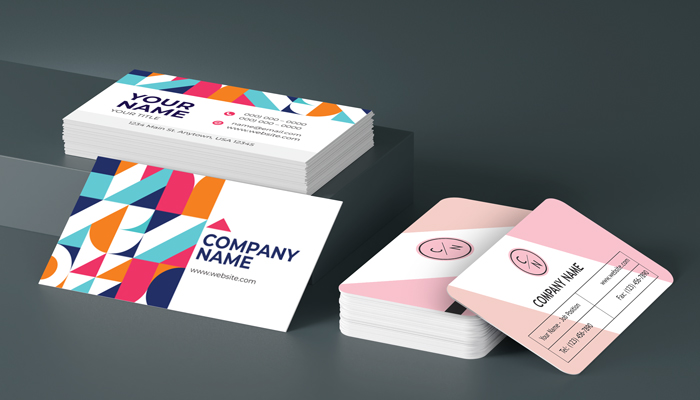
Premium business cards go beyond basic printing to create a stronger visual and tactile impact. These cards use higher-quality materials, advanced printing techniques, and distinctive design elements to stand out.
Features often found in premium business cards include:
- Thicker or specialty paper stocks
- Textured, matte, or soft-touch finishes
- Foil stamping, embossing, or debossing
- Unique shapes or rounded corners
- High-quality color accuracy
Premium business cards are designed to leave a lasting impression. They are often used by established brands, executives, or professionals in competitive industries where differentiation is important.
By investing in premium materials and finishes, businesses communicate exclusivity, confidence, and attention to detail.
Key Differences Between Premium and Standard Business Cards
Understanding the differences between premium and standard business cards helps businesses make informed decisions.
Material Quality
Standard cards use basic cardstock, while premium cards feature thicker or specialty materials. The feel of a premium card often signals quality and reliability.
Printing Techniques
Standard cards rely on basic printing, whereas premium cards may include advanced techniques such as letterpress or foil stamping. These elements add depth and visual interest.
Design Flexibility
Premium cards allow for more creative freedom. Unique textures, finishes, and layouts help brands express personality more effectively.
Cost
Standard business cards are more affordable, making them ideal for mass distribution. Premium business cards cost more but offer higher perceived value.
Durability
Premium cards are generally more durable and resistant to wear, which means they stay presentable for longer periods.
When to Choose Standard Business Cards
Standard business cards are suitable for many situations, especially when practicality and budget are key considerations.
They are a good choice for:
- Startups and small businesses managing costs
- Large events or trade shows where many cards are distributed
- Internal networking within organizations
- Temporary campaigns or short-term use
Standard business cards can still support branding effectively when paired with strong design and consistent visual identity. Not every interaction requires a premium card, and in some cases, simplicity works best.
When to Choose Premium Business Cards
Premium business cards are ideal when first impressions matter most. They are particularly effective in high-stakes or competitive environments.
They are well suited for:
- Client-facing roles and senior professionals
- Luxury, creative, or high-end service industries
- One-on-one meetings with potential partners or clients
- Brands that want to emphasize quality and exclusivity
In these situations, a premium business card can reinforce a brand’s positioning and help it stand out from competitors.
How Custom Printing Enhances Business Cards
Custom printing plays a crucial role in both standard and premium business cards. Through custom business card printing, businesses can tailor their cards to reflect brand identity accurately.
Custom business card printing allows for control over layout, color, typography, and materials. This customization ensures consistency across all branding touchpoints. Whether choosing standard or premium options, custom business card printing helps businesses avoid generic designs and create cards that feel intentional and professional.
For premium cards, custom business card printing enables advanced finishes and unique details that enhance visual appeal. For standard cards, it ensures clarity and cohesion without unnecessary complexity.
Custom Printing as a Branding Tool
Custom printing helps business cards stand out by aligning design choices with brand values. A technology company may prefer a clean, modern look, while a creative agency might use bold colors or unconventional layouts.
Through thoughtful design and custom business card printing, even simple cards can communicate professionalism and confidence. The key is ensuring that the card reflects the brand accurately and consistently.
Printing quality also affects how business cards are perceived. High-resolution printing, accurate color reproduction, and clean edges all contribute to a polished final product.
Balancing Budget and Impact
Choosing between premium and standard business cards often comes down to balancing cost and impact. Businesses should consider how and where cards will be used.
Some brands adopt a mixed approach. Standard business cards are used for large-scale distribution, while premium cards are reserved for important meetings or key stakeholders. This strategy allows businesses to manage costs while still benefiting from the impact of premium cards when it matters most.
Understanding the audience and context helps determine which type of business card will deliver the best return on investment.
Common Mistakes to Avoid with Business Cards
Regardless of the type chosen, certain mistakes can reduce the effectiveness of business cards.
Overcrowding the design with too much information makes cards hard to read. Using low-quality images or inconsistent branding weakens professionalism. Ignoring paper quality or finish can result in cards that feel cheap or forgettable.
Proofreading is also essential. Errors in contact details or spelling can damage credibility and reduce trust.
The Long-Term Value of Quality Business Cards
Business cards may be small, but their impact can be long-lasting. A well-designed card often stays in a wallet, desk, or cardholder, continuing to represent the brand long after the initial meeting.
Premium business cards tend to have a longer lifespan due to their durability and visual appeal. Standard business cards, when designed well, still offer reliable value and functionality.
Investing in quality printing and thoughtful design ensures that business cards support long-term branding goals.
Conclusion
Choosing between premium and standard business cards depends on brand positioning, budget, and intended use. Standard business cards offer practicality and affordability, making them suitable for everyday networking. Premium business cards provide enhanced impact, helping brands stand out in important interactions.
Both options benefit from custom business card printing, which ensures consistency, professionalism, and alignment with brand identity. By understanding the differences and selecting the right approach, businesses can use business cards effectively as a powerful branding and networking tool.