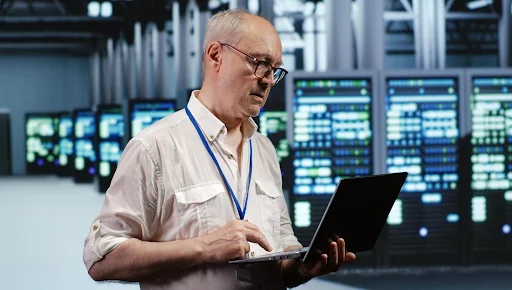
“Unlock the 🔑 to optimal server performance with effective hardware maintenance strategies 💡 and essential tips 📝. Keep your servers at peak! 🚀”
Maintaining server hardware forms a core part of stable digital operations. A well-planned maintenance routine supports system stability, reliable data access, and consistent performance, reducing the likelihood of interruptions that can affect day-to-day activities. When supported by structured upkeep, organisations enjoy smoother workflows, dependable services, and reduced operational strain.
Understanding Server Hardware
Server hardware refers to the physical components that bring computing functions to life. These components include processors, memory modules, drives that store information, power supplies, cooling mechanisms, and network interfaces. Each part contributes something distinct, and together they shape the server’s overall output and responsiveness.
This combination of components acts as the backbone of many business processes, supporting data storage, internal communication, customer-facing services, and core applications. When these elements operate smoothly, teams gain dependable access to information, and systems run with minimal disruption. Over time, this stability supports growth by limiting performance slowdowns and preventing repetitive technical setbacks through Knowledge Computers server hardware maintenance.
Why Server Maintenance Matters
Regular hardware upkeep supports reliable system behaviour. It reduces unexpected outages, slows wear and tear, maintains data consistency, and provides a steady experience for users who rely on quick responses and continuous access. Without dedicated maintenance, equipment is more likely to weaken, which can lead to extended interruptions, higher repair expenses, and frustration among staff and clients.
A well-maintained server environment helps organisations maintain predictable operations. Performance remains steady, components stay healthier for longer, and user experience improves through quicker responses and reduced waiting times. This stability also lowers overall operational costs, as equipment does not require frequent replacements or reactive emergency servicing.
Effective Approaches to Server Hardware Maintenance
Proactive Practices
A proactive routine involves planned checks and timely servicing. This approach focuses on identifying signs of wear before they escalate, which supports steady performance and fewer unexpected outages. Regular assessments help maintain system balance, protect stored information, and minimise the risk of sudden failures.
Common proactive measures include monitoring system behaviour, reviewing logs, inspecting physical components, and updating firmware and drivers at appropriate intervals. Detailed documentation of changes, configurations, and previous issues allows teams to follow patterns and prevent recurring problems. Including staff training in this method keeps teams familiar with common issues and safe handling practices.
A well-prepared recovery plan further strengthens this approach. When unexpected events arise, having a documented response helps restore operations more quickly, limiting downtime and maintaining service quality.
The Role of Skilled Support
Technical proficiency contributes significantly to stable server performance. Trained specialists are able to diagnose hardware issues accurately, replace components safely, and carry out advanced maintenance tasks that general staff may not have experience with. Their guidance reduces long repair cycles, prevents avoidable damage, and increases overall reliability.
Deciding whether to maintain servers internally or rely on external service providers depends on organisational priorities such as budget, availability of skilled staff, and long-term operational goals. Some teams prefer in-house control, while others rely on external partners for quicker response times or access to broader expertise.
When selecting an external maintenance provider, attention should be placed on service consistency, response times, clarity of communication, technical background, and the availability of ongoing support. A reliable provider should be prepared to handle both minor issues and more advanced needs while keeping disruptions to a minimum.

Tips for Achieving Strong Server Hardware Performance
Improving hardware performance requires both routine actions and thoughtful long-term planning. Regular assessments of server load, component wear, and temperature levels help identify when upgrades or adjustments are needed. Replacing outdated components can extend system lifespan and reduce strain, while modernisation efforts such as power-efficient configurations contribute to smoother operation.
Cooling plays a central role in server health. Strong airflow, clean internal components, and appropriate environmental conditions protect hardware from heat-related damage. Power management strategies, such as using reliable power distribution units and stable backup systems, further support continuous operation.
Monitoring tools help teams maintain awareness of server conditions. Options such as New Relic, Prometheus, and Grafana provide continuous insight into performance trends, potential bottlenecks, and irregularities that require attention. Log analysis utilities and dashboards also assist by displaying real-time data in ways that help teams identify issues before they grow.
Conclusion
Effective server hardware maintenance supports stable operations, consistent performance, and long equipment lifespan. By adopting a proactive routine, relying on capable technical support, and using reliable monitoring tools, organisations build an environment where downtime is limited and productivity remains high. Reliable servers contribute directly to smoother workflows, dependable access to information, and long-term operational strength.
Want to learn more? Click to explore a wider range of useful articles and guides!