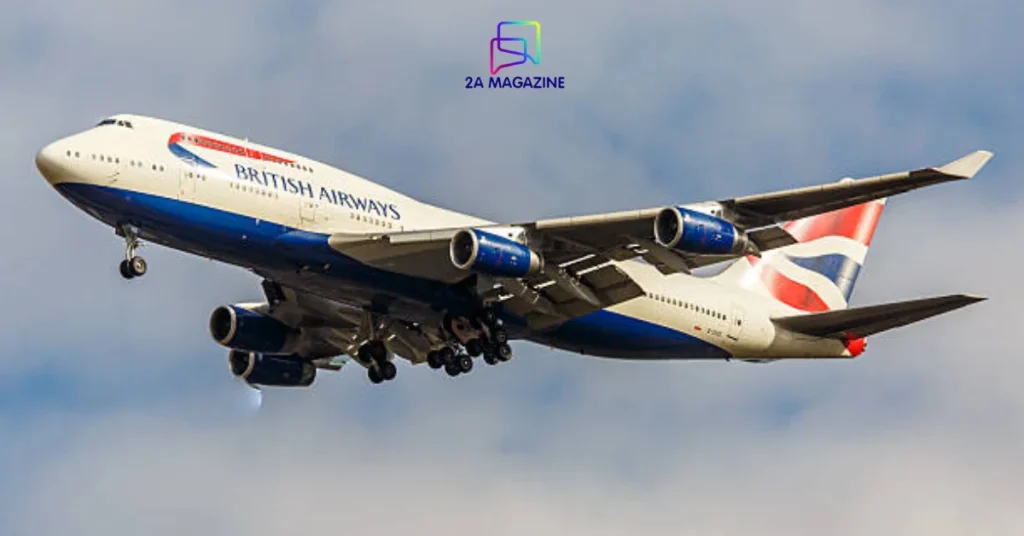
Introduction to the british airways gatwick new york suspension
The recent suspension of British Airways’ Gatwick to New York flights has sent shockwaves through the travel community. Passengers, employees, and industry observers alike are left grappling with the implications of this significant move. What does it mean for those dreaming of a transatlantic getaway? How will airline staff be affected by these sudden changes? As airlines navigate the turbulent skies of a recovering global aviation market, the challenges they face have never been more evident. Let’s dive into what led to this decision and explore its broader impact on an industry that’s still finding its footing post-pandemic.
Don’t stop here—this related post adds valuable perspective.
Impact on Passengers and Employees
The suspension of British Airways’ Gatwick to New York route has left many travelers in limbo. Passengers expecting a seamless journey have had their plans disrupted, causing frustration and uncertainty. For some, this meant scrambling for alternative flights or rearranging travel itineraries.
Employees are equally affected. Ground staff and cabin crew face job insecurity as routes get cut. The emotional toll is significant; many workers worry about the future of their roles in an already volatile industry.
With cancellations flooding in, customer service teams are overwhelmed, leading to longer waiting times and increased stress levels for everyone involved. Frequent flyers who relied on this route now find themselves searching for new options amidst rising ticket prices elsewhere.
The ripple effects extend beyond immediate inconveniences, affecting loyalty programs and personal connections built over years of travel with British Airways.
Reasons for the Suspension
The suspension of British Airways flights from Gatwick to New York stems from a blend of operational and economic factors. High fuel prices have significantly impacted airline profitability, forcing carriers to reevaluate unprofitable routes.
Additionally, changing passenger demand plays a role. As travel patterns shift post-pandemic, airlines like British Airways must adapt quickly. Some routes simply can’t sustain the necessary load factor for continued operation.
Labor shortages are another crucial element in this situation. With many industries facing staffing challenges, airlines are no exception. Limited crew availability makes it difficult to maintain consistent service on all routes.
Regulatory changes and ongoing safety measures related to COVID-19 continue to affect international travel dynamics. These aspects together highlight the turbulence within aviation operations today.
Similar Cases in the Global Aviation Industry
The suspension of British Airways’ Gatwick to New York route isn’t an isolated case. Airlines worldwide are grappling with similar decisions in response to fluctuating demand and operational challenges.
For instance, several U.
S. carriers have cut numerous international routes due to ongoing uncertainties regarding travel restrictions. Many airlines suspended flights to popular destinations as they reassess their strategies.
Low-cost carriers also feel the pinch, often scaling back services where profitability remains a concern. This trend is evident across Europe and Asia, highlighting a broader pattern within the aviation sector.
Airlines continue facing pressure from rising costs and labor shortages, challenging their ability to maintain schedules effectively. As these companies navigate shifting landscapes, strategic route management becomes crucial for survival in this competitive environment.
Dive deeper and uncover more content worth your time.
Challenges Faced by Airlines during COVID-19 Pandemic
The COVID-19 pandemic has devastated the airline industry. Travel restrictions and lockdowns led to a drastic decline in passenger numbers. Airlines faced unprecedented financial strain as flights were grounded.
Operational challenges surged as well. Health protocols became essential, requiring airlines to adapt quickly. Social distancing measures meant fewer seats available on planes, further impacting revenue.
Staffing issues also emerged. Many employees were furloughed or laid off during peak crisis times, creating a talent gap once travel demands began to rise again.
Moreover, fluctuating regulations across countries made planning nearly impossible. Airlines struggled to navigate varying health guidelines and entry requirements for different destinations.
Adapting marketing strategies became vital too; rebuilding traveler confidence was paramount after months of uncertainty. The road ahead remains rocky but highlights the need for resilience in an ever-evolving landscape of global aviation.
Possible Solutions and Future Outlook
As the aviation industry grapples with disruptions like the British Airways Gatwick New York suspension, innovative solutions are essential. Airlines must prioritize flexibility in their scheduling and route planning. This adaptability can help them respond swiftly to shifts in demand.
Investing in technology is also vital. Advanced data analytics can provide insights into passenger behavior, allowing airlines to optimize flight offerings based on real-time trends.
Collaboration across the sector is another key aspect. Partnerships between airlines, airports, and government entities can create a more resilient framework for recovery. Shared resources and information will help navigate ongoing challenges effectively.
Sustainability initiatives should not be overlooked either. Eco-friendly policies may attract eco-conscious travelers while addressing regulatory pressures.
A proactive stance toward customer service will enhance traveler confidence as well. Clear communication about changes ensures passengers feel valued throughout their journey amidst uncertainty.
Conclusion: Importance of Adaptability in the Changing Airline Industry
The recent suspension of British Airways’ Gatwick to New York route underscores a significant trend in the aviation sector. As airlines grapple with fluctuating demand and ever-changing travel regulations, adaptability becomes paramount.
Airlines must be agile, rethinking their strategies and operations to withstand unforeseen challenges like global pandemics or geopolitical tensions. This adaptability not only involves adjusting flight routes but also entails enhancing customer service protocols and investing in technology that supports seamless travel experiences.
As we look ahead, it’s clear that flexibility will dictate success for airlines navigating an uncertain future. The ability to pivot quickly can mean the difference between thriving and merely surviving in this dynamic industry landscape. Embracing innovation, responding swiftly to market demands, and prioritizing passenger safety will define the path forward for carriers worldwide as they strive toward recovery from setbacks like those seen with British Airways’ Gatwick New York suspension.
Handpicked for you—check out this standout featured post.