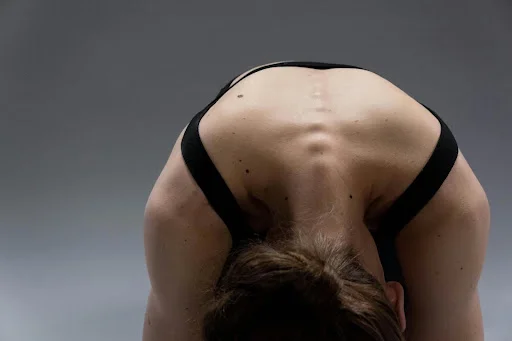
Your spine works quietly in the background, helping you bend, twist, lift, and walk. When something is off, even simple moves can feel sharp, tight, or strangely limited Painful Motion.
Pain that tracks with certain motions can hint at a spinal cause. Not every ache means trouble, but patterns matter. Notice what triggers pain, what eases it, and how long it lasts.
Stiffness That Limits Everyday Moves
If your back feels locked when you get out of bed or stand after sitting, your spine may be signaling a problem. Short, careful steps or needing an armrest just to rise often point to joint or disc issues. Mild stiffness after a workout is normal, but stiffness that lingers or repeats is a clue.
Watch for stiffness that eases only after a long warmup. If you need several minutes before you can bend to brush your teeth or tie your shoes, your spine might be driving the problem. Motion should return with gentle activity, not stall or worsen.
Note the stiffness that returns at the end of the day. When tissues swell with repeated strain, even chores like loading the dishwasher or picking up a bag can flare pain OR Painful Motion.
Follow the connection—related posts that enhance your reading experience.
Pain That Flares With Specific Positions
Spine conditions often have position patterns. Bending forward to tie shoes, then feeling a sharp pinch low in the back, can suggest disc irritation. Arching backward to reach a top shelf and getting a jammed, faceted feeling points more to the small joints in the back.
Position-linked back pain can reveal what part of your spine is irritated. If bending forward triggers a sharp pinch or arching backward feels jammed, options range from targeted therapy and posture changes to spinal fusion surgery when there is proven instability. Track which positions spark symptoms and which ones ease them so your clinician can match treatment to the true source.
Notice how long a position is tolerable before pain starts. If a minute or two of standing sets off your back, but a gentle forward lean eases it, your spine mechanics are likely involved.
Numbness, Tingling, Or Electric-Like Pain
Spine-related nerve irritation often feels different from sore muscles. You might notice pins-and-needles down one leg or into a specific set of toes. The path of the sensation can match the nerve being pressed.
Tingling that appears when you cough, sneeze, or laugh hard suggests pressure spikes on a sensitive disc or nerve root. These brief surges can be telling even if day-to-day pain seems low. Keep track of what sparks the symptom and where it travels Painful Motion.
Electric-like jolts that shoot with certain motions are another sign. If quick twists light up pain that follows a narrow stripe, your spine is a likely source.
Weakness Or Balance Changes You Can’t Explain
Muscle weakness tied to spinal nerves can show up as frequent tripping, a foot that slaps the ground, or trouble rising onto your toes. You may notice a weak handshake or dropped items if the neck is involved. These problems point to nerve signal issues.
Balance changes can creep in. If turning your head makes you feel unsteady, or you sway when you close your eyes, your spine and nearby nerves may be part of the picture. This matters even if your pain is mild.
Serious or lasting weakness needs attention. A national spine health organization emphasizes that persistent pain or weakness should not be ignored when it limits daily life for Painful Motion, sleep, or mobility.
Morning Pain That Eases Then Returns
A stiff, sore back in the morning that improves with a warm shower can be common. But if the relief is brief and pain returns fast with chores, your spine may be driving the cycle. Early movement should open things up, not trigger a flare.
Notice whether sitting restarts the pain after a calm morning. Extended sitting can load the discs and stir up nerve roots, making the first steps after a meeting feel hot or tight. Short walking breaks can help you test whether motion reduces the pain signal.
Pay attention to evening rebounds. If grocery trips or cooking lead to a heavy low-back ache that eases only when you lie down, structural stressors could be at work.
Pain That Tracks To Arms Or Legs
When a spinal nerve is irritated, pain can travel. Neck problems may spark aching across the shoulder blade, into the arm, or down into the hand. Lower-back issues can push pain into the buttocks, thigh, calf, or foot.
You might notice numb spots or a band of burning pain. The shape and location can map to a specific nerve, which helps your clinician pinpoint where the pressure is coming from. A careful exam often matches your story to the anatomy.
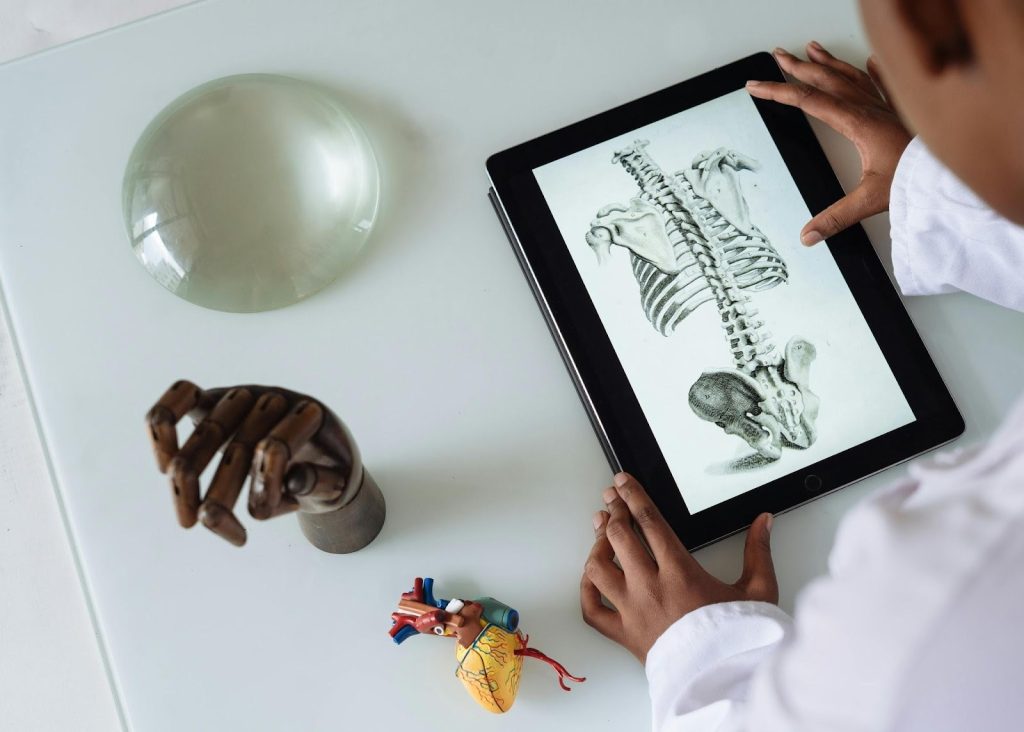
Painful motion is often a message. Small changes in how your back moves can reveal a lot about what your spine needs.
Track patterns, write down triggers, and describe how symptoms travel. Clear details help your clinician choose the right next steps so you can return to steady, confident movement.
Explore more and discover ideas designed to keep you ahead at 2A Magazine.