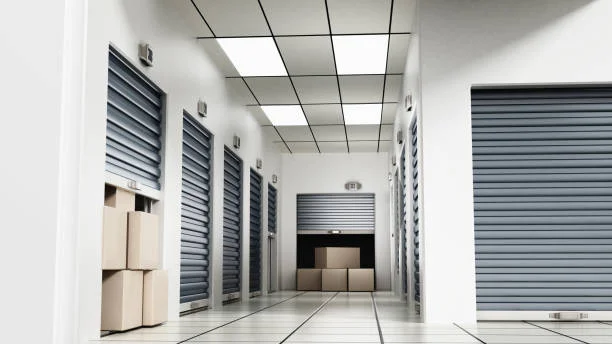
Moving is never as simple as packing boxes and hitting the road. The process often involves storing your belongings temporarily, especially if there’s a gap between your move-out and move-in dates. When that happens, storage becomes a big part of your moving plan. But not all storage units are the same. Climate-controlled storage offers a specialized option that could protect your belongings from temperature swings and humidity. Here’s a breakdown of what climate-controlled storage really is, and when it’s the smarter choice during a move.
What Is Climate-Controlled Storage?
Climate-controlled storage units maintain a stable temperature and humidity level year-round. These units are often located inside buildings and are equipped with heating, ventilation, and air conditioning systems. This controlled environment helps keep the interior of the unit at a moderate temperature, usually between 55 and 80 degrees Fahrenheit.
Compared to standard storage, which is more like a basic garage, climate-controlled units offer insulation from the elements. They shield your possessions from heat, cold, moisture, and in some cases, dust or pests.
Why Climate-Controlled Storage Matters When Moving
During a move, your items are at greater risk than usual. You’re likely transporting them long distances, possibly in less-than-ideal weather. Delays can leave them sitting in storage for weeks. This is when climate control can really make a difference.
Eatonton climate-controlled storage units, for example, are especially useful during Georgia’s hot summers and occasional cold snaps. When temperatures outside rise into the 90s or drop below freezing, delicate items inside a non-climate-controlled unit can suffer.
Items That Are Vulnerable to Damage
Some things simply don’t hold up well under extreme conditions. Here’s what you should consider placing in a climate-controlled unit:
- Wood and leather furniture can crack, split, or warp from moisture and temperature changes.
- Electronics are sensitive to humidity and heat, which can ruin internal components.
- Artwork and antiques often include materials like canvas, paper, and metal, all of which are vulnerable to temperature fluctuations.
- Documents, books, and photos can curl, fade, or become brittle in poor storage conditions.
- Musical instruments like guitars, violins, or pianos need stable environments to stay in tune and in shape.
- Mattresses and clothing are prone to mold and mildew without proper airflow and dryness.
When It Makes Sense to Use Climate-Controlled Storage
While not everyone needs climate control, there are several scenarios where it’s the right move.
You’re Moving During Extreme Weather
If you’re moving in the heat of summer or the dead of winter, climate-controlled storage can prevent heat damage or freezing. Even short exposure to these conditions can affect certain materials.
You Have Valuable or Sentimental Items
Some things are simply irreplaceable. Whether it’s family heirlooms, wedding dresses, or expensive electronics, the cost of replacing or repairing them often outweighs the extra storage cost.
Long-Term or Indefinite Storage Needs
When storage is short-term, like a few days, basic storage might work. But for anything longer than a month, climate control adds peace of mind. This is especially important during moves where the next housing step isn’t confirmed.
You’re Moving to a Different Climate
If you’re relocating to or from a coastal area, humidity may be a bigger problem than you’re used to. Likewise, dry or high-altitude locations present their own risks. Keeping your belongings in a stable climate while you transition helps ease the shift.
Comparing Climate-Controlled vs. Traditional Storage
Climate-controlled storage tends to cost more than standard options. On average, the price difference is about 25 to 50 percent, depending on your location and unit size. However, the protection it offers often justifies the cost.
Standard storage units:
- Lower cost
- Suitable for items like tools, metal furniture, or sealed boxes
- May be vulnerable to moisture, temperature, and pests
Climate-controlled storage units:
- Higher cost
- Ideal for sensitive or valuable belongings
- Offers temperature and humidity control, cleaner environments
The choice depends on what you’re storing and how long you need the unit. In many cases, peace of mind is worth the extra cost.
How to Choose the Right Climate-Controlled Storage Unit
Not all climate-controlled units are the same. Ask these questions before renting:
- What temperature range is maintained?
- Is humidity also controlled?
- Is the unit located indoors or outdoors?
- Are there 24-hour access options?
- What security features are in place?
- Is there insurance coverage, or do you need your own?
Also, make sure to pick the right size. Don’t rent more space than you need, but leave enough room to access items if needed.
Tips for Packing for Climate-Controlled Storage
Even in a climate-controlled unit, how you pack matters. Use plastic bins with tight lids for documents and fabrics. Avoid wrapping things too tightly so air can circulate. Label boxes clearly, especially anything fragile or moisture-sensitive. Keep a simple inventory list so you know exactly what’s inside and where.
Frequently Asked Questions
Is climate-controlled storage worth the cost?
If you’re storing anything valuable or delicate, yes. It reduces the chance of damage and extends the life of your belongings.
How much more does it cost?
Expect to pay roughly 25% to 50% more than standard storage, depending on the market and unit size.
What temperature range is ideal?
Most facilities aim to keep the temperature between 55°F and 80°F, with humidity levels around 50%.
Conclusion
Climate-controlled storage isn’t for everyone, but in many moving situations, it just makes sense. If you’re storing sensitive items, moving in extreme weather, or need long-term storage, it offers a level of protection that standard units can’t match. Taking the time to choose the right solution now can save you from costly problems later. Consider the conditions, your belongings, and your timeline before making a decision.