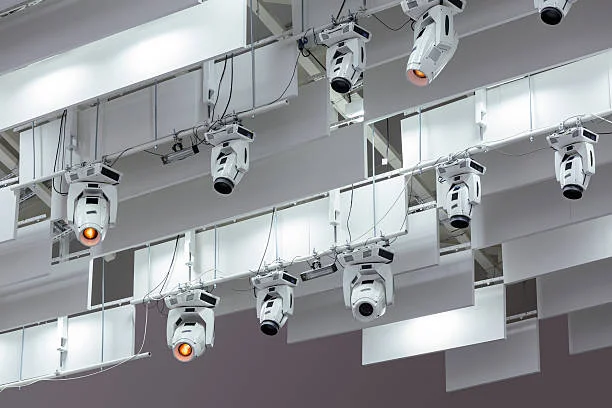
In the demanding environments of factories, warehouses, and industrial production plants, safety is paramount. Clear, visible signage is the first line of defense, guiding workers, vehicles, and visitors away from hazards and ensuring compliance with essential safety protocols. For decades, facility managers have relied on traditional methods of Gobo Projectors like floor paint, adhesive decals, or printed signs. However, these methods face constant challenges: paint chips and fades under forklift traffic, stickers peel from cleaning chemicals, and dirt quickly obscures critical warnings.
A modern, highly effective solution is emerging to solve these persistent visibility and durability issues: the gobo projector and gobo light projector. These devices offer a technologically advanced and flexible way to create bright, long-lasting safety signs that can significantly improve awareness in busy, challenging industrial settings.
Handpicked content that stands out—see our Related post today!
What is a Gobo Projector and How Does It Work?
A gobo projector is essentially a specialised light fixture designed to project a single, custom image, symbol, or message onto a distant surface, such as a floor, wall, or exterior pavement. The technology is straightforward yet powerful.
The core component is the Gobo—a small, highly durable stencil or template. This template is typically made of metal, for simpler shapes, or specialised heat-resistant glass, for complex, multi-coloured images. The image or text to be projected is precisely etched or printed onto the Gobo.
The projector works by focusing an intense beam of light, usually from a high-power LED source, through the Gobo template and a series of lenses. This process magnifies the image and casts a crisp, clear projection onto the target surface. Modern logo projectors and gobo systems utilise high-efficiency LED lights, ensuring maximum brightness for visibility, long operating life, and minimal energy consumption—all critical factors in industrial settings of Gobo Projectors.
Why Projected Safety Signs Work Well in Factories
The nature of industrial environments—heavy traffic, constant movement, and variable lighting—makes projected safety signage a highly compelling solution compared to passive, static signs.
High Visibility and Immediate Impact
Unlike signs that rely on ambient light, the projected image from a gobo light projector is a direct light source. This ensures a remarkably bright, crisp projection that cuts through ambient light, dust, and even low-light conditions. These vivid projections immediately capture the attention of workers and vehicle operators, making critical warnings harder to overlook.
Superior Durability and Zero Wear
In warehouses and production lines, the floor is an active work surface. Forklifts, pallet jacks, and heavy equipment quickly abrade painted lines or adhesive vinyl. Projected signs, however, hover harmlessly above the surface. Since the sign is made of light, not material, it suffers no wear and tear from cleaning machines, chemicals, foot traffic, or vehicle impacts at Gobo Projectors. This translates to reduced maintenance and a sign that remains 100% visible and intact 24/7.
Unmatched Flexibility and Agility
Factory layouts and workflows are often subject to change. Repainting a floor or replacing fixed wall signs is costly and disruptive, often requiring facility downtime. With a gobo projectors, changing a sign or moving its location is fast and efficient. You can simply reposition the projector or easily swap out the internal Gobo template to display a new message, hazard zone, or path, making safety signage fully adaptable to evolving operational needs.
Custom Gobo Designs for Safety Symbols and Logos
The ability to create a custom gobo is what makes this technology so valuable for EHS professionals. Facility managers are not limited to stock messages; they can reproduce virtually any required safety icon, text, or company-specific graphic.
The manufacturing process for a custom gobo allows for a wide range of colours and high-definition patterns. This ensures that projected signs comply with established safety standards (e.g., standard warning triangles, stop signs, or international PPE pictograms) while remaining sharp and highly intelligible, even from a significant distance.
Furthermore, a powerful logo projector can be used to display both mandatory safety messages and the company logo or a brand-specific safety slogan. This dual purpose helps reinforce the organisation’s safety culture and ensures workers instantly recognise the source and authoritative purpose of the warning being projected.
Typical Factory and Warehouse Applications
The versatility of the gobo light projector allows it to be deployed in numerous high-risk and high-traffic areas across an industrial site:
- Forklift and Vehicle Routes: Projecting dynamic arrows, speed limits, directional signs, or phrases like “Caution: Forklift in Use” directly onto the floor at corners, blind spots, or intersections.
- Pedestrian Walkways: Clearly defined, projected pathway lines or footprint symbols delineate safe walking areas, guiding workers and separating them from vehicle zones.
- Hazard and Danger Zones: High-intensity warning symbols (flashing or static) can be projected near overhead cranes, automated machinery, restricted access points, or loading bays.
- PPE Reminders: At the entry point of specific work areas, a custom gobo can display icons like “Safety glasses required” or “Wear hearing protection,” ensuring compliance before entry.
A significant safety enhancement is the ability to link these projection systems to sensors. For example, a “Stop” or “Warning” sign can be programmed to appear only when a vehicle or machine is active, or when a person crosses an invisible boundary, creating a dynamic, highly noticeable warning that prevents warning fatigue.
Practical Considerations When Choosing a Gobo Projector
Selecting the right Gobo Projector for an industrial environment requires careful attention to a few key specifications to ensure reliable, long-term performance:
- Brightness and Power: The projector’s output (measured in lumens or wattage) must be sufficient to overcome the ambient light in the installation area. A factory floor with large skylights will require a more powerful unit than a dimly lit warehouse aisle.
- Installation Position and Clearance: Consider where the projector will be mounted (ceiling, wall, or beam) to ensure the projection path is clear and the image size and clarity are optimal for the viewing distance.
- Industrial Durability: Look for projectors with robust, industrial-grade metal housings and high IP ratings (e.g., IP65 or higher) to protect against dust, moisture, and high temperatures commonly found in factory settings.
- Content Flexibility: Ensure the unit allows for easy and rapid swapping of the Gobo template, which is vital for facilities that may need to adjust or update their signage frequently.
Using a Gobo Projector for safety can effectively support compliance with general facility safety signage guidelines. The clarity, consistent visibility, and ability to use internationally recognised symbols help ensure that the projected warnings meet the spirit of maintaining a safe working environment.
Conclusion: Safer Factories with Smarter Visual Warnings
The use of gobo projectors and gobo light projectors marks a significant step forward in industrial visual safety communication. By eliminating the high maintenance and poor durability of traditional signs, these modern systems provide a way to display safety signs that stay visible and effective, even in the toughest industrial conditions.
The option of creating a custom gobo allows factories to implement clear, consistent safety symbols and logos that workers simply cannot afford to miss. By integrating these smart visual warnings, facility managers can effectively complement existing safety programs, helping to reduce risk, improve worker awareness, and foster a safer, more compliant operational environment.
Featured for a reason—click to read posts making waves right now at 2A Magazine!