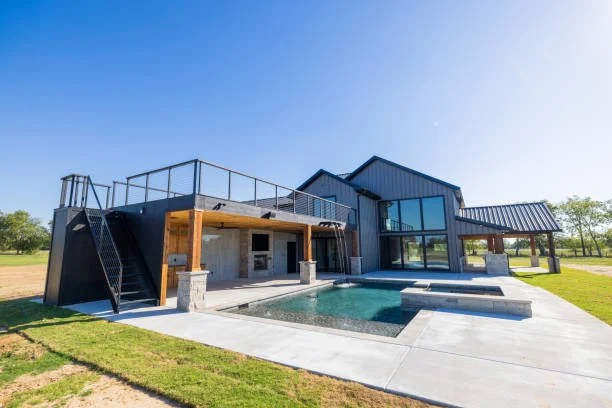
Constructing a barndominium in Indiana becomes straightforward once you understand its basic requirements. The barndominium design appears modern, but it essentially functions as a strong, adaptable steel house, offering better value than conventional construction methods. The state of Indiana has become a hidden barn destination because it provides budget-friendly real estate, simple building permit processes, and an environment that supports large, practical homes.
The guide presents all necessary steps in a direct, functional approach. The process requires no guessing and delivers only essential content without any unnecessary information. The system guides users through the entire process, from their concept to their new residence.
Step 1: Define Your Vision and Budget
Start with clarity. Decide exactly what you want your barndominium to be used for—full-time living, a mixed-use home and workshop, hobby farming, or even rental income. Your intended use determines everything else: size, layout, utility needs, and long-term maintenance.
Next, anchor your budget. A barndominium in Indiana can range widely depending on finishes and square footage, but the shell is only the beginning. Factor in the hidden but unavoidable costs:
- Land clearing and grading
- Driveway installation
- Septic vs. sewer connection
- Insulation (steel buildings lose heat quickly without proper insulation)
- HVAC sized for Indiana’s cold winters and humid summers
Being realistic upfront saves you from expensive “surprises” halfway through construction.
Step 2: Choose the Right Location in Indiana
Land selection is one of the most important decisions you’ll make. Don’t rush it.
Look for land with stable soil, access to utilities, and zoning that allows residential or mixed-use structures. Many counties in Indiana are welcoming to barndominiums, especially in rural or semi-rural areas. However, not every parcel is equal.
Pay attention to:
- Setback requirements
- Whether the county allows metal siding in residential zones
- Soil quality (a failed perc test will cost you weeks, sometimes months)
- Access to main roads and emergency services
A piece of land that seems like a deal can turn into a money pit if you have to trench utilities a quarter mile or install extensive drainage.
Fuel your curiosity—explore posts related to what matters most to you!
Step 3: Understand Indiana’s Building Codes & Permits
Indiana’s permitting process is generally manageable, but each county has its own rules. Expect to obtain permits for structural plans, septic, electrical, and plumbing. Some counties require engineered stamped drawings for steel structures, while others accept standard kit documentation.
Avoid the most common mistakes:
- Submitting plans that don’t match the final build
- Forgetting driveway or culvert permits
- Failing to check HOA restrictions (yes, some HOAs ban metal homes)
The fastest route is simple: follow the county’s checklist precisely and maintain weekly communication with your permitting office. Most delays come from paperwork, not inspectors.
Step 4: Design Your Floor Plan for Function + Efficiency
Design settles the long-term comfort of your barndominium. Steel structures offer wide-open spans, resulting in fewer interior load-bearing walls and greater layout freedom.
Focus on what works—not what’s trendy:
- Place bedrooms and living areas on the sides with the best natural light.
- Prioritize storage; steel homes echo sound more than traditional builds, so clutter becomes noticeable.
- Invest in high-quality insulation. Indiana winters are unforgiving, and sound insulation pays for itself.
- Add mechanical rooms to centralize and make utilities accessible.
Aim for simplicity and practicality with touches of customization. It creates a home that feels personal without overcomplicating the build.
Step 5: Pick Your Builder and Steel Building Supplier
This is where many projects go right—or very wrong.
Choosing the right builder matters more than choosing fancy finishes. Look for contractors who regularly build barndominiums or steel-frame structures. Ask to see recent projects and, more importantly, speak with past clients.
Before signing a contract, ask:
- Do you handle permitting, or is that on me?
- What’s your realistic timeline—not your optimistic one?
- How do you price change orders?
- Who manages subcontractors?
Decide early whether you want a turnkey builder or prefer managing trades yourself to cut costs. Turnkey costs more but eliminates stress. Managing contractors saves money but demands time, coordination, and patience.
Step 6: Prepare the Land and Foundation
Once the paperwork is approved, the real work begins. Land prep includes clearing trees, grading slopes, and ensuring proper drainage. Skimping here guarantees problems later—namely, water pooling, shifting soil, and foundation cracks.
Indiana offers several foundation options:
- Slab-on-grade: Most common, straightforward, and cost-effective.
- Crawl space: Provides access to utilities.
- Basement: Popular in colder regions, but it significantly increases costs.
Good drainage is non-negotiable. Redirect water away from the structure now so you don’t pay for repairs later.
Step 7: Framing, Exterior, and Utility Setup
This is the stage where your barndo finally looks real. The steel framing goes up quickly compared to traditional construction, but the efficiency depends on how well-organized your supplier and builder are.
During this phase, you’ll tackle:
- Roofing and metal siding installation
- Window and door placement
- Electrical rough-in
- Plumbing lines
- HVAC setup
You’ll also have multiple inspections, and none should be ignored or rushed. Inspections protect you more than the county—they catch problems before drywall and finishes hide them.
Step 8: Interior Build-Out Without the Stress
As the interior takes shape, timelines will feel tighter and decisions will come faster. Drywall, cabinetry, flooring, trim, lighting—these elements form the home’s personality.
To avoid stress:
- Finalize material selections early.
- Keep a simple spreadsheet of expenses and deliveries.
- Understand your non-negotiables.
There are places you can save—paint, hardware, shelving—and places you shouldn’t cut corners, such as plumbing fixtures, insulation, and HVAC. These systems keep the house functional long after the shine of new floors wears off.
Step 9: Final Walkthrough, Inspections, and Move-In
Before moving in, the county will complete final inspections for occupancy approval. This is where missing GFCI outlets, improper drainage slopes, or incomplete punch-list items often show up.
Do a thorough walkthrough with your builder. Test every outlet. Open every window. Run every faucet. Confirm the work matches your contract.
The goal isn’t perfection—it’s correctness and durability.
Cost Breakdown: What Indiana Barndominiums Really Cost
Costs vary widely, but most Indiana barndominium builds fall into several tiers:
- Bare shell + modest finishes: Good for downsized living or mixed-use layouts.
- Mid-range custom build: The most common option—balanced, functional, and durable.
- High-end finishes and large square footage: For those building a luxury home with shop space or large living areas.
Most owners overspend on finishes and underestimate land prep and utilities. Knowing this ahead of time helps you stay grounded barndominium in Indiana.
Tips to Keep the Entire Process Stress-Free
A barndominium build requires coordination, but it doesn’t have to overwhelm you. Here’s what consistently works:
- Set communication expectations with your builder from day one.
- Use a shared digital folder for plans, invoices, and change orders.
- Visit the site regularly, but avoid micromanaging.
- If your schedule is tight, hire a project manager—it’s cheaper than fixing mistakes.
- Lock in material choices early to prevent delays.
You’ll move faster and with fewer surprises.
Conclusion
Constructing a barndominium in Indiana is possible with proper planning. The process becomes controllable when you establish your project vision, select appropriate building sites and trustworthy contractors, obtain necessary permits, and maintain continuous project monitoring.
Start by defining your objectives and establishing your financial limits. The path to achieve your goal will follow a standard pattern after you determine what you want to accomplish. The process of stress-free construction arises from replacing unpredictable elements with organized systems.
Dive deeper into topics you love—explore more now and stay inspired at 2A Magazine!