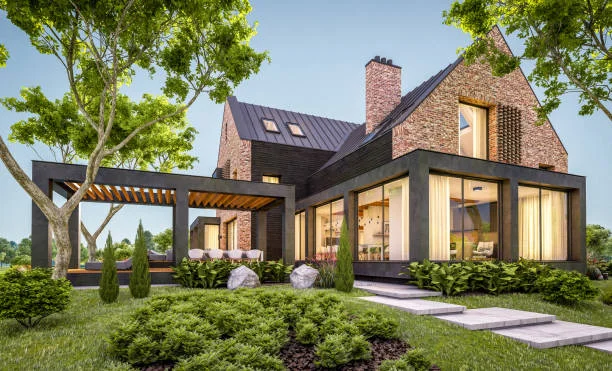
Why the exterior sets the tone for your whole home
The exterior of a house is the first chapter of a story. Long before anyone steps inside, they have an impression of how you live, what you value, and how you care for your space. Fresh landscaping, thoughtful lighting, and well chosen cladding can make even a modest structure feel intentional and inviting, while a tired facade can drag down everything else you have worked on indoors modern home exterior.
When homeowners talk about “modern curb appeal” they usually mean a mix of clean lines, low maintenance materials, and a sense of warmth that avoids feeling cold or industrial. That balance is where exterior design really lives. The right combination of textures, colors, and details can turn a plain box into a home with personality, especially when you start to explore options like wood paneling exterior systems, contemporary metal accents, and carefully placed greenery.
Choosing an exterior style that truly fits your home
Before diving into specific materials, it helps to define the overall style you want your home to express. Not every house needs to look ultra modern; sometimes a “soft contemporary” approach that respects the original architecture will feel more natural and age better over time.
Reading your home’s existing architecture
Start by standing across the street and really looking at your house. Are there strong horizontal lines, or is it more vertical and traditional? Do you have deep overhangs, a flat roof, or gables? A 1960s ranch, a compact townhouse, and a new build all call for slightly different exterior decisions, even if you love the same Pinterest pictures modern home exterior.
Rather than fighting the structure, look for ways to enhance what is already there. Horizontal cladding can emphasize a low, long silhouette, while vertical paneling can help a small facade feel taller. Painted brick, composite panels, and natural timber can be mixed carefully to add dimension without becoming visually chaotic.
Building a timeless color palette
Trends come and go, but exteriors need to work hard for a decade or more. A reliable approach is to choose one main body color, one secondary material for contrast, and one accent color for doors, trim, or small details. Many homeowners gravitate toward soft whites, warm grays, or deep charcoals as a base, then introduce texture through wood tones or stone modern home exterior.
If you are nervous about bold hues, keep larger surfaces neutral and reserve saturated tones for the front door, shutters, or balcony railing. This way you can refresh the personality of the house later with smaller updates rather than a full facade overhaul.
Materials that balance warmth, durability, and low maintenance
The best exterior materials do three things at once: they protect the structure, look good from day one, and age gracefully with minimal upkeep. Choosing with these criteria in mind tends to lead you toward high performing composites, quality metalwork, and thoughtfully used natural elements of modern home exterior.
Modern cladding and panel systems
Contemporary facades often rely on panel systems to create crisp lines and subtle shadow play. These can be installed in large uninterrupted fields or paired with traditional siding to highlight entry volumes, upper stories, or outdoor rooms to modern home exterior. Panels are particularly useful when you want a clean, “architect designed” look without reconstructing the entire shell of the house.
Many homeowners appreciate that today’s panels mimic natural materials without some of the maintenance headaches. Textured finishes can resemble sawn timber or stone while offering resistance to rot, pests, and fading. This gives you more freedom to prioritize the overall design and less time worrying about constant refinishing.
Wood tones that feel natural, even in modern designs
Wood elements remain one of the most effective ways to soften modern architecture. A warm oak tone around an entryway, cedar on a porch ceiling, or slatted detailing on a balcony can transform a stark facade into something far more approachable. Pairing these textures with simple white or charcoal walls creates contrast that feels upscale but still relaxed.
Since true exterior timber can demand regular care in harsh climates, many homeowners opt for engineered or composite surfaces finished with convincing grain patterns. These deliver much of the warmth of wood with better resistance to UV, moisture, and temperature swings. The key is to be intentional: focus wood tones at key touchpoints such as doors, handrails, or the wall you see from the kitchen window.
Metal, glass, and stone as supporting players
Metal trim, window frames, and railings bring a sharper modern edge that plays nicely against softer textures. Black, bronze, and warm gray metals tend to age especially well and line up with the larger trend toward understated, matte finishes. Glass balustrades or enlarged windows let in light and showcase views without competing with other facade elements.
Stone, whether natural or manufactured, can ground the composition near the base of the home or around an outdoor fireplace. Used sparingly, it gives depth and a sense of permanence without overpowering the other materials. Think of it as the “anchor” in a mix of lighter, more finely detailed surfaces.
Designing around entries, windows, and outdoor living
A successful exterior does more than look good in photos. It should support the way you move through daily life, guide guests naturally to the front door, and extend your living space outdoors when the weather is friendly modern home exteriory .
Front doors that feel like a destination
The entry is the one piece of the facade that everyone interacts with up close, which makes it a smart place to focus your design energy. A well proportioned canopy, a wider set of steps, or a side panel of glass can make even a small door feel generous. Layering wall lights, a house number that is easy to read, and a textured mat or planter gives the space a “finished” feel.
Many modern homes use a different material around the entry volume to signal its importance. A warm wood tone on the front wall, a contrasting panel system, or a vertical accent can act as a visual beacon that leads visitors straight to the door without confusion.
Windows and sightlines
From the street, the arrangement of windows is one of the main clues to the home’s personality. Horizontal bands suggest a more modernist, streamlined feel, while evenly spaced, similarly sized openings lean more traditional. If you are updating windows as part of a larger renovation, it can be worth working with a designer to adjust proportions in a way that better fits the style you are leaning toward.
Inside-out relationships matter too. Consider what you see when you look out from key rooms and how that view interacts with your exterior materials. A seating area that faces a textured feature wall or a well planted garden bed can make your home feel much larger and more intentional.
Patios, decks, and garden structures
Outdoor living spaces act as a bridge between architecture and landscape. A deck that extends from the living room, an intimate gravel courtyard, or a pergola along the side yard can all become natural extensions of daily life. Cladding choices and color schemes should continue into these spaces so everything reads as one cohesive design instead of a collection of add-ons.
This is also where brands like Akuwoodpanel and other facade specialists often provide inspiration, installation ideas, and visualizers that help you see how patterns and tones will look at scale before you commit.
Practical planning: budget, climate, and long term value
Even the most beautiful design concept has to pass a few real-world tests. Climate, orientation, and budget all shape which exterior choices make sense for your home and region.
Working with your climate, not against it
Homes in coastal, desert, or heavily wooded areas each face different challenges. Salt air, intense sun, and constant moisture all influence how materials age. When evaluating options, look closely at UV resistance, expansion and contraction performance, and maintenance schedules. A slightly higher upfront investment often pays off when you are not repainting or replacing elements every few years.
Orientation matters as well. South and west facing walls typically absorb the most sun and may benefit from more robust finishes, shading devices, or deeper overhangs. North facing walls might need extra attention to moisture management, especially in cooler climates.
Prioritizing projects for maximum impact
If you cannot update everything at once, focus on the areas people notice first. Front entry sequences, street facing elevations, and outdoor living spaces usually deliver the highest return in both enjoyment and eventual resale value. Smaller changes like refreshing trim color, upgrading exterior lighting, and adding simple landscaping can buy you time while you plan larger cladding or window projects.
Think in phases, but always within a single long term vision. A clear sense of your ideal exterior makes individual decisions easier, helps you avoid piecemeal choices, and gradually turns the house you have into the home you imagined.
Don’t miss this featured post for fresh insights and strategies to advance your goals.