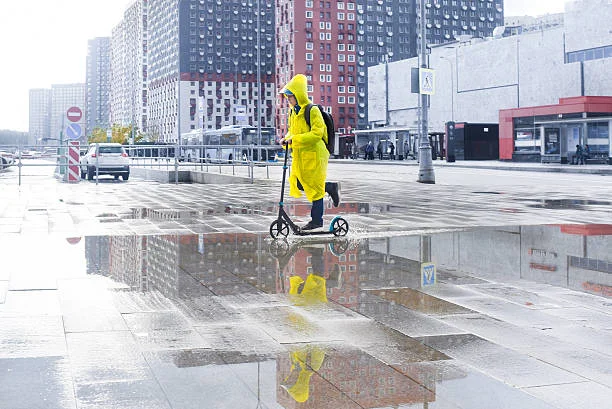
Electric scooters have become a go-to choice for commuters and casual riders who want a fast, affordable, and eco-friendly way to get around. But as convenient as scooters are, one question comes up all the time: Do electric scooters work in the rain?
The short answer: Many electric scooters can handle light rain, but not all are designed for wet weather. Riding conditions, scooter design, and water-resistance ratings all play a major role.
This guide breaks down everything you need to know before deciding whether to ride or park your electric scooter on a rainy day.
Can Electric Scooters Work in the Rain?
Generally, yes. Many modern electric scooters are built with some level of water resistance, meaning they can survive splashes, damp roads, or drizzle.
However, water-resistant is not the same as waterproof. While some scooters can manage wet surfaces, others shouldn’t be exposed to moisture at all.
The best indicator of your scooter’s rain capability is its IP rating, a standardized measure of how well it keeps out dust and water.
Don’t miss this related article—it completes the story with valuable context.
Understanding IP Ratings
IP (Ingress Protection) ratings tell you how well a scooter protects its internal electrical components.
Here’s what common ratings mean:
- IPX4 – Resistant to light splashes; okay for gentle rain.
- IP54 – Protection from limited dust and water spray; suitable for most light wet conditions.
- IP55 – Better water resistance, including stronger sprays or heavier drizzle.
- IP67 – High-level protection; can handle heavy rain and brief water immersion.
In short:
- Higher IP rating = better rain performance.
- If your scooter has no IP rating, avoid using it in the rain entirely.
Factors That Affect Scooter Performance in the Rain
Even with a decent IP rating, several elements determine how safely a scooter handles wet conditions.
1. Tire Type and Traction
- Pneumatic tires (air-filled) offer better grip on wet surfaces.
- Solid rubber tires can slip more easily, especially on slick roads.
2. Battery and Controller Protection
If water reaches the battery or controller, the scooter may experience:
- Short-circuiting
- Performance drop
- Permanent damage
3. Motor Placement
Hub motors are usually more protected than exposed belt-driven systems.
4. Deck Grip
Some decks become slippery when wet, increasing the risk of slipping.
5. Brake Performance
- Disc brakes perform best in wet weather.
- Electronic/regenerative brakes lose effectiveness in rain.
Risks of Riding an Electric Scooter in the Rain
While scooters can work in wet conditions, there are risks to keep in mind:
- Reduced traction increases the chance of skidding.
- A longer braking distance can make stopping less predictable.
- Water damage may affect electronics, even in water-resistant models.
- Warranty issues, water damage is often not covered.
- Corrosion can happen over time if scooters aren’t dried properly.
If you notice any unusual behavior, flickering lights, reduced power, or braking issues, it’s best to stop riding.
Tips for Riding an Electric Scooter in the Rain
If you decide to ride, follow these best practices:
- Check your IP rating first: Know the limits of your scooter.
- Avoid puddles and flooded areas: Water can enter vents or damage the motor.
- Slow down and brake earlier: Roads are more slippery when wet.
- Wear visible rain gear: Bright jackets, reflective strips, and waterproof gloves increase safety.
- Dry your scooter after every wet ride: Wipe down the deck, wheels, and handlebars, and ensure the ports are sealed.
- Store your scooter indoors: This prevents moisture buildup and extends battery life.
Best Practices to Protect Your Scooter
- Install proper fenders to stop water splashes.
- Use waterproofing sprays approved for electronics.
- Regularly check screws, wires, and connections for corrosion.
- Keep the charging port firmly closed during all rides.
When You Should Not Ride in the Rain
Even a high-performance scooter shouldn’t be used in:
- Heavy rain or storms
- Flooded roads
- Standing water deeper than a few centimeters
- Situations where braking traction feels poor
- Scooters with no water resistance rating
- Safety should always take priority over convenience.
Conclusion
So, do electric scooters work in the rain? Yes, many can. But the level of performance and safety depends heavily on water resistance, tire quality, braking, and rider caution.
If your scooter has a solid IP rating and you ride carefully, you can handle light rain without issue. But when weather conditions get severe, it’s best to avoid riding altogether.
Electric scooters are an incredible commuting tool, but they’re still electronic devices. Treat them with care, stay aware of your model’s limits, and always put safety first.
Your next insight awaits—explore more posts curated for curious readers at 2A Magazine.