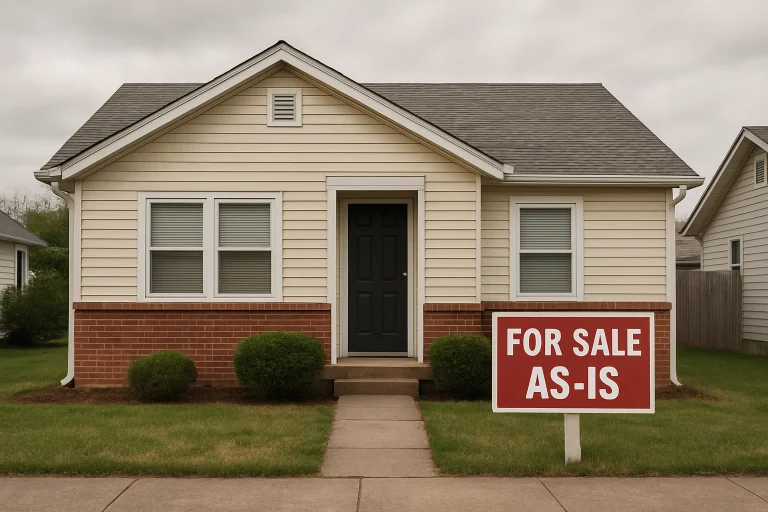
Selling your home as-is can be a practical solution if you’re hoping to move quickly or don’t want to invest in major repairs. Listing your home “as-is” means you’re offering it to buyers in its current state, which can save time and money. This approach, however, does come with unique challenges and considerations. By understanding key steps and strategies, you can position your property for the best possible outcome in today’s market. Homeowners who want peace of mind throughout the process often turn to reliable home buying experts or Sell a House for guidance and support from start to finish. Knowing what to expect at each stage and how to attract the right buyers is crucial for a smooth transaction. Whether you’re facing financial constraints, handling an inherited property, or simply looking to transition with minimal stress, selling as-is can be an excellent option if approached thoughtfully. The potential drawbacks of fewer buyers and lower offers are real, but they can be offset by strategic pricing, transparency, and targeted marketing. With some preparation, selling your home as-is can help you move on to your next chapter sooner than you think.
Understanding As-Is Sales
Selling a house as-is means the seller will not perform any repairs or improvements before closing. Buyers accept the property in its current condition, which can be beneficial for sellers who lack the resources or motivation to make updates. However, this approach can come with a price: as-is homes typically fetch 10-20% less on the market compared to renovated properties, according to industry research by the National Association of Realtors. It’s also worth noting that buyers for as-is homes are often investors or shoppers specifically seeking fixer-uppers. Understanding this audience’s needs and motivations can help you tailor your sales strategy accordingly Sell a House.
A spotlight article you’ll love—discover why this post is related today.
Conducting a Pre-Listing Inspection
Initiating the process with a pre-listing inspection is a proactive step many homeowners overlook. By identifying issues before listing, you can avoid surprises that could derail a deal later. Sharing an inspection report with buyers demonstrates transparency and helps build confidence in the sale. A Pre-listing inspection reduces buyer uncertainty and streamlines negotiations, especially when included with accurate repair cost estimates. Even if you decide not to address every problem, knowing the actual condition of your property places you in a stronger negotiating position Sell a House.
Setting the Right Price
Correctly pricing your as-is home is one of the most critical factors for a successful transaction. Overpricing can cause your listing to linger, while underpricing may shortchange your investment. Examine recent as-is property sales in your area to determine an appropriate range, and factor in the estimated cost of needed repairs. Many homeowners benefit from consulting a local real estate expert who understands pricing dynamics for as-is properties and can perform a detailed market analysis.
Disclosing Known Issues
Honesty is not just the best policy; it’s typically the legal requirement when selling a house as-is. Disclosure laws vary by state, but you’re generally obligated to inform buyers of known defects, whether they’re structural, mechanical, or related to environmental hazards. Providing buyers with all available information—including a copy of the inspection report if available—builds trust and minimizes the risk of post-sale disputes or litigation Sell a House. Many buyers will appreciate your candor and may be more willing to negotiate fairly if they feel you’re upfront.
Enhancing Curb Appeal
Even minor improvements can significantly boost buyer interest without requiring major renovations. Keeping the lawn trimmed, walkways tidy, and the entrance inviting creates an immediate positive impression. Simple updates, such as painting the front door or adding potted plants, can further enhance curb appeal. According to Kiplinger, small investments in a home’s exterior often yield impressive returns, even when selling as-is. Buyers usually form their first impressions within moments of seeing the property, so paying attention to these details can help your home stand out in a crowded market Sell a House.
Marketing Your Property
Reaching the right buyers requires strong marketing. Start with professional-quality photos and consider a virtual tour so prospective buyers know exactly what to expect. Highlight positives, such as oversized lots, prime locations, or unique architectural features, and be honest about areas that need improvement. Listing your property on multiple online platforms—including the MLS, real estate sites, and social media—broadens your reach. It attracts a desirable audience, such as cash buyers or investor groups Sell a House.
Negotiating with Buyers
Negotiations around as-is homes often center on price or specific contingencies. Armed with your pre-listing inspection report, you’ll be in a position to discuss legitimate defect-related concerns—and to back up your pricing decisions. Remain flexible, respond promptly, and be open to fair compromises on closing dates or minor concessions that move the deal forward.
Closing the Sale
Closing an as-is sale involves careful attention to contracts, disclosures, and any state-specific requirements. Work with a qualified real estate agent or attorney to finalize paperwork, navigate disclosure laws, and address buyer questions. Clear and timely communication ensures a seamless closing process and paves the way for a stress-free transition for both parties. Selling a house as-is doesn’t mean compromising on value or integrity. By preparing thoroughly, being transparent, and marketing strategically, you can successfully attract buyers and achieve your real estate goals with confidence.
Don’t miss this standout feature—packed with insight and ready to inspire.