
Pedestrians move through busy streets with the expectation that drivers will act responsibly and follow the rules of the road. Even the most cautious walkers can suffer serious harm when a vehicle operator becomes distracted, impatient, or careless. Traffic collisions involving pedestrians result in severe medical, financial, and emotional consequences at Injuries Pedestrians.
Learn more about the most common injuries that can help people recognize the seriousness of these events and seek immediate medical care. Below are several types of injuries pedestrians frequently sustain during traffic incidents.
See the bigger picture—this related post ties ideas together beautifully.
Traumatic Brain Injuries
Traumatic brain injuries (TBIs) occur when a forceful impact disrupts normal brain function. These injuries can range from mild concussions to severe brain trauma that permanently alters a person’s cognitive abilities. Pedestrians struck by vehicles hit their head on the pavement or the vehicle itself, which increases the risk of neurological damage.
Victims experience prolonged headaches, memory loss, difficulty concentrating, and emotional changes that disrupt daily life. In these scenarios, seeking guidance from trusted Philadelphia law firm Gay Chacker & Ginsburg lawyers or other pedestrian accident lawyers in their area can help them understand their legal options after such an event. Families face overwhelming challenges as they support their loved one through a long healing process.
Spinal Cord and Back Injuries
Spinal cord and back injuries vary widely, from herniated discs to fractures that threaten permanent paralysis. Many victims initially feel severe pain, numbness, or weakness that makes movement difficult and frightening. Doctors lean on imaging tests to identify hidden damage that could worsen without proper treatment.
Rehabilitation may include physical therapy, mobility aids, and lifestyle adjustments that require significant time and financial resources. Even when paralysis does not happen, chronic back pain can limit a person’s ability to work or engage in daily activities. The long-term effects of an accident make spinal injuries among the most devastating and life-changing outcomes of pedestrian accidents.
Broken Bones and Fractures
Legs, arms, ribs, and wrists are the most vulnerable since people often attempt to brace themselves during the collision. Fractures can range from simple breaks that heal cleanly to compound fractures requiring surgery and lengthy rehabilitation. Victims may struggle with significant pain, limited mobility, and the loss of independence while they recover.
Most people face long-term complications, including stiffness or arthritis, which linger long after the initial injury heals. Medical appointments, physical therapy, and follow-up imaging extend the recovery period. These challenges demonstrate how a single moment in traffic can create months of disruption for injured pedestrians.
Soft Tissue Damage
Soft tissue injuries, such as sprains, strains, and deep bruises, may appear minor at first but can cause persistent discomfort and functional limitations. Pedestrians suffer these injuries when their body twists unnaturally or when they fall to the ground after the impact. Swelling, limited range of motion, and lingering soreness force victims to rest and modify their daily routines.
Physicians recommend rest, physical therapy, and careful monitoring to prevent chronic pain from developing. Soft tissue injuries rarely appear on imaging tests, and that’s why victims should keep an eye out for signs of mobility issues.
Internal Injuries
The blunt force from a vehicle strike can cause internal injuries and damage organs, cause internal bleeding, or lead to dangerous complications. Many victims initially feel only mild discomfort, which can delay critical medical attention.
Emergency evaluations include scans and blood tests to catch internal trauma early and prevent life-threatening outcomes. Treatment may require surgery or intensive care, depending on the severity of the injury. Even after stabilization, patients need prolonged monitoring and follow-up visits.
Facial Injuries and Dental Trauma
Pedestrians experience facial injuries when their head strikes the vehicle, pavement, or another hard surface. These injuries can include fractures, cuts, dental damage, and eye trauma, all of which require immediate attention. Swelling and pain make eating, speaking, and daily tasks more difficult, adding emotional distress to the physical impact.
Treatment can come with stitches, dental reconstruction, or surgery to repair fractures and restore function. Victims deal with scarring or long-term cosmetic concerns that affect confidence and mental well-being. Facial trauma highlights how vulnerable the human body is during collisions and how deeply these incidents can affect appearance and daily life.
Emotional and Psychological Trauma
The emotional effects of a pedestrian accident can be just as debilitating as physical injuries. Most individuals experience anxiety, nightmares, or panic when returning to busy streets or traffic-heavy areas. Post-traumatic stress disorder (PTSD) may develop when the fear and stress from the event remain overwhelming.
Mental health support becomes a key part of recovery as victims learn to regain confidence and emotional stability. Addressing psychological trauma restores their quality of life. This overlooked component of injury recovery underscores how profoundly traffic accidents can affect a person’s sense of safety.
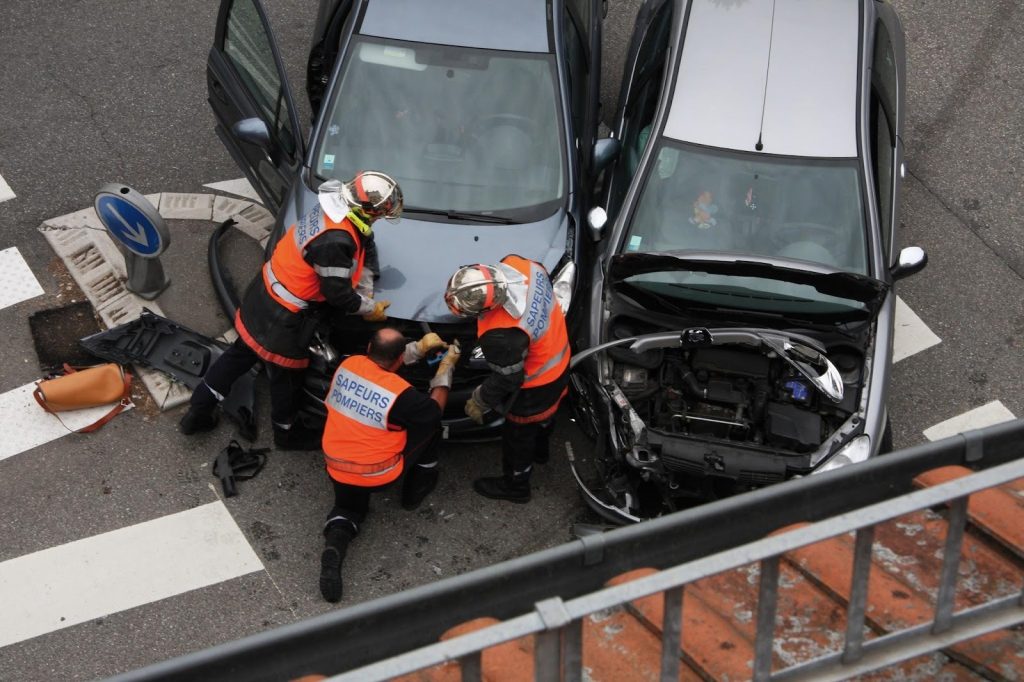
Pedestrian accidents can result in a wide range of injuries, each with serious physical and emotional consequences. Knowing these common outcomes highlights the importance of seeking immediate medical attention and advocating for safer streets. With proper treatment and support, many victims find a path forward as they rebuild their health and independence.
Take a deeper dive—explore more articles handpicked for curious minds at 2A Magazine.