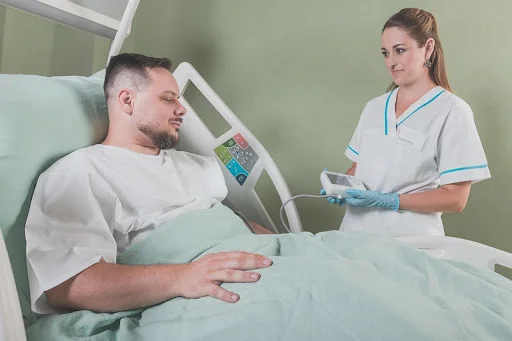
Recovering from an injury can be a complex and challenging process when navigating the physical, emotional, and legal impacts that accompany it. Many individuals find themselves lost in a sea of medical terminology, treatment options for Injury Recovery, and insurance claims. Seeking professional guidance can significantly aid the recovery journey.
This assistance helps injury victims avoid common pitfalls while ensuring they receive the necessary resources to facilitate healing. Without a clear path defined by knowledgeable professionals, recovery may take longer than anticipated, or worse, may not happen at all.
Unlock hidden insights with this related read that complements your journey.
The Importance of Medical Professionals
A crucial component of injury recovery is engaging qualified medical professionals who can accurately assess and manage the nature of injuries sustained. Doctors play a critical role in diagnosing the condition and recommending an appropriate treatment plan.
Access to specialists, such as physical therapists or orthopedic surgeons, can ensure that individuals receive tailored care suited to their unique injuries. Research indicates that effective communication with medical providers contributes to better recovery outcomes and patient satisfaction rates.
These professionals are typically well-versed in the particulars of injury cases and can guide patients in understanding their rights. This knowledge base can empower victims by giving them the confidence to ask the right questions about their treatment options, rehabilitation expectations, and prognosis. Along the way, they can provide patients with referrals to other professionals when needed, creating a more comprehensive support network that enhances recovery.
The Role of Mental Health Support
Focusing solely on physical healing can often neglect the psychological aspects of recovery. The emotional toll stemming from a serious injury can result in anxiety, depression, or PTSD.
Seeking mental health support from professionals like therapists or counselors becomes important for holistic recovery. By addressing emotional challenges, individuals can better cope with the stresses that injury can bring.
Studies show that psychological support can improve physical recovery rates. Therapy provides a space to discuss feelings of frustration, hopelessness, or isolation post-injury.
Understanding these feelings and developing coping mechanisms is a crucial part of navigating the multifaceted journey of recovery. Emotional resilience often translates to better physical recovery, creating a dual benefit that can expedite the healing process.
Legal Considerations in Injury Recovery
When it comes to serious injuries, the legal landscape can significantly impact the recovery journey. Many find it necessary to hire a truck accident lawyer, particularly in cases involving vehicle accidents, workplace injuries, or other instances where negligence is involved. These professionals are equipped with the necessary legal expertise to navigate complex insurance claims and personal injury lawsuits.
Failing to understand one’s legal rights can lead to undervalued settlements or prolonged disputes with insurance companies. An experienced lawyer can ensure that injury victims receive fair compensation for medical expenses, lost wages, and pain and suffering. They streamline the often-complicated process and allow victims to focus their energy on healing rather than stress over legal battles, thus contributing immensely to the recovery experience.
Support Systems and Community Resources
Another important aspect of injury recovery is establishing a strong support system. Family, friends, and community organizations all play significant roles in providing emotional and physical support. The presence of a nurturing environment can make a meaningful difference in someone’s recovery journey by fostering positivity and encouragement.
Numerous community resources offer assistance, such as support groups that cater to specific injuries, local nonprofits dedicated to helping injury victims, and even online forums where experiences can be shared and solutions discussed.
Engaging with available community resources reinforces the individual’s support network and opens avenues for more help. Whether it’s finding adaptive technologies or accessing transportation services for doctor’s appointments, being proactive can drastically improve one’s healing process. Having support systems in place creates a formidable foundation from which individuals can rise above their challenges and reclaim their lives.
Nutrition and Lifestyle Choices
Maintaining a balanced diet and making positive lifestyle choices are crucial facets of recovering from an injury. Proper nutrition plays a significant role in healing, with specific vitamins and minerals proving key for tissue regeneration and health.
Consulting with nutritionists, physical trainers, or health coaches can provide injury victims with guidance on how to adapt their diets to support healing. Incorporating anti-inflammatory foods or supplements can speed up recovery time.
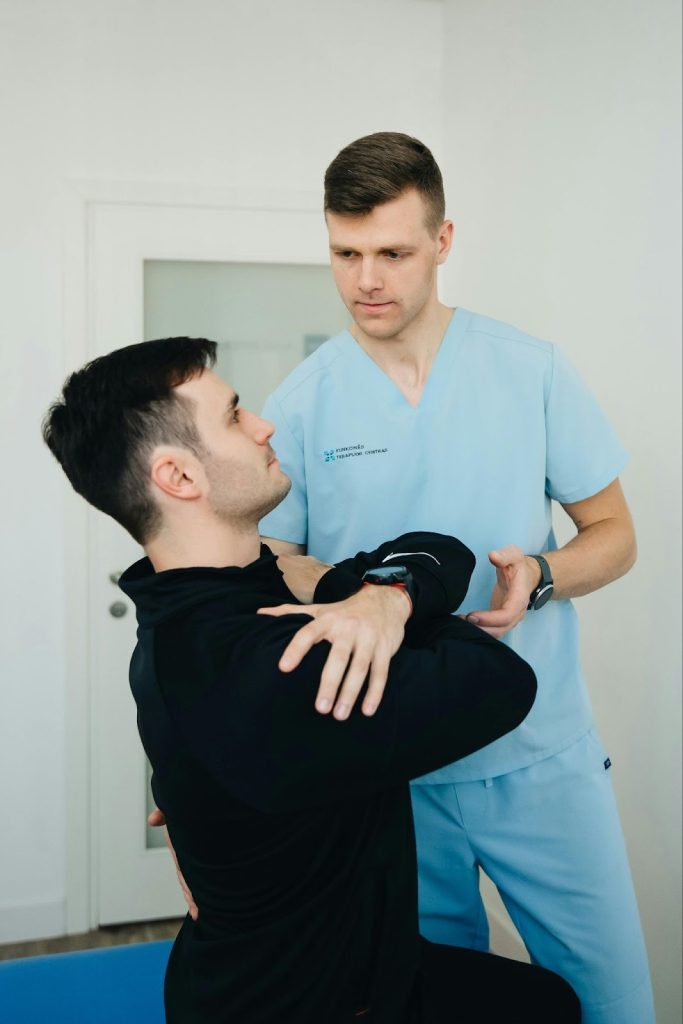
Participating in suitable physical activities, as recommended by medical professionals, can aid in rehabilitation efforts. Exercises specifically designed to improve strength and mobility can make the recovery process more efficient while reducing the risks of further injuries. This proactive approach ensures that recovery is about healing injuries and about fostering long-term health and wellness.
The Value of Holistic Rehabilitation Approaches
Embracing holistic rehabilitation approaches can create a more well-rounded recovery experience by addressing the physical, emotional, and social aspects of healing. Integrating alternative therapies such as acupuncture, massage therapy, and even yoga can provide benefits alongside conventional medical treatment. These complementary therapies can alleviate pain, reduce stress, and enhance well-being during recovery.
Holistic approaches to healing can result in improved patient satisfaction and treatment outcomes. They create opportunities for injury victims to explore various techniques and find what resonates best with them.
These opportunities expand the recovery toolbox, empowering individuals to take charge of their health and make informed decisions about their well-being. With an abundance of avenues available, individuals are better equipped to navigate their recovery journey.
Recovering from an injury is undoubtedly a challenging endeavor. With the right support, guidance, and commitment to a holistic recovery plan, individuals can heal and regain control of their lives. By valuing professional input from medical and legal experts, engaging in community resources, and adopting healthy lifestyle choices, the pathway to recovery can become a transformative journey rather than a daunting struggle.
A world of insights awaits—explore more at 2A Magazine and keep your learning alive.