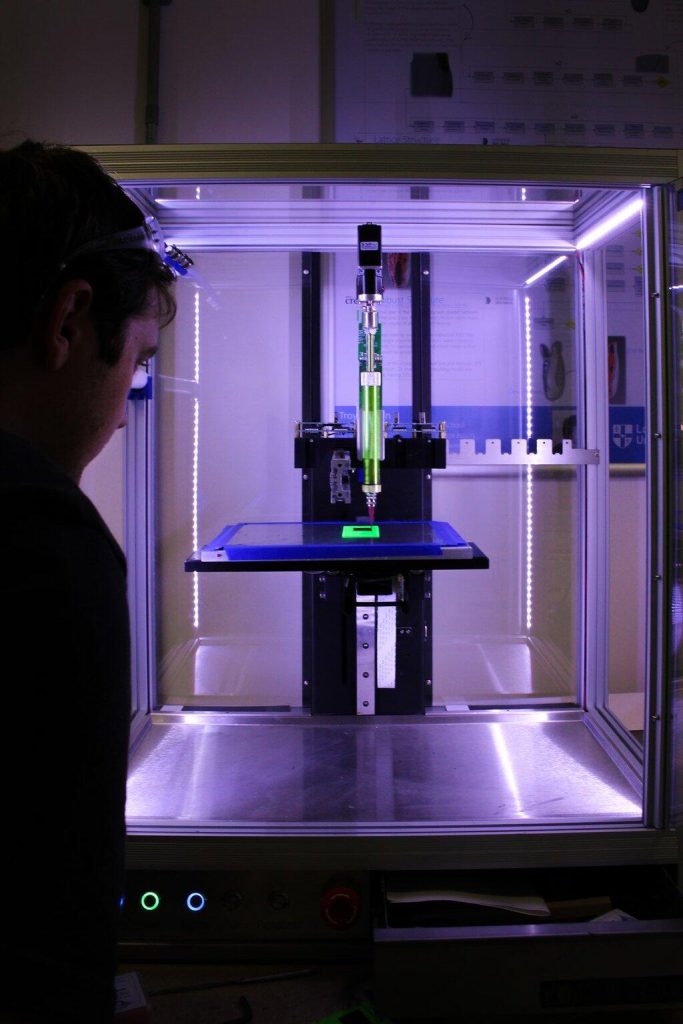
3D printing is changing the way people design and create things. It turns digital ideas into real objects faster and easier than old methods. Many industries now use it to solve problems, test ideas, and build better products.
From medicine to art, this technology opens new possibilities every day. It is reshaping how we work, learn, and innovate.
1. Rapid Prototyping Makes Ideas Easier to Test
Rapid prototyping is one of the most common uses of 3D printing. It allows designers and engineers to create models quickly and at low cost. Before 3D printing, building a prototype could take weeks or even months.
The process often required special tools, skilled workers, and expensive materials. Today, a prototype can be printed in a matter of hours.
A designer can print several versions of the same part and compare them side by side. If something does not fit well, they can change the design and print again the same day. This process saves time and encourages experimentation.
Companies can test shapes, features, and functions before spending money on large-scale production. The ability to test ideas early helps reduce mistakes and improve quality.
2. Custom Manufacturing Becomes Simple and Affordable
3D printing makes custom manufacturing easy. Instead of producing a large number of identical items, a company can create unique products for each customer. This helps in industries where people want personalized designs, special sizes, or custom shapes.
The technology also supports small businesses that want to produce goods without renting factory space. A single 3D printer can create custom items that match customer requests.
Hobbyists and professionals often find guidance from communities like 3D Print Geek, which help users make better choices in materials and design workflows.
3. Medical Advancements Improve Patient Care
Medical uses of 3D printing have grown quickly in recent years. One of the most important applications is the creation of medical models. Doctors can print a copy of a patient’s organ, bone, or tumor based on medical scans. These models help surgeons plan operations with more accuracy. They can practice complex procedures before entering the operating room.
3D printing also allows for custom implants. Traditional implants come in standard sizes, which may not fit every patient. With 3D printing, implants can be shaped to match the patient precisely. This leads to better comfort and faster recovery.
Prosthetics are another area where 3D printing makes a large difference. Prosthetic limbs printed with lightweight materials are less expensive and easier to replace or adjust. Children benefit from this because they grow quickly and need frequent changes.
4. Architecture and Construction Gain New Freedom
Architects use 3D printing to build detailed models of buildings, landscapes, and interior spaces. These models help them show clients what a design will look like before construction begins. Instead of building models by hand, which takes time and effort, architects can print accurate details and complex forms with ease.
Some companies take 3D printing even further by using it to build houses. Large-scale printers can lay concrete in layers to form walls and structures.
This method can reduce construction time and material waste. It also makes it easier to produce homes in remote areas or for emergency relief.
5. Education and Learning Become More Interactive
3D printing makes education more hands-on. Students can turn ideas into real models, which helps them understand engineering, science, art, and design. Schools use 3D printers to create models of molecules, fossils, planets, and historical objects. These models give students a better sense of scale and shape.
Teachers can also use 3D printing for creative projects. Students can design inventions, print them, and learn from their mistakes. This encourages problem-solving and improves confidence.
The technology also helps students with disabilities by providing custom learning tools that fit individual needs.
6. Manufacturing and Supply Chains Become More Flexible
Traditional manufacturing often requires large production runs to keep costs low. 3D printing changes this model by making small production runs efficient. A company can print only what it needs when it needs it. This reduces storage costs and cuts waste.
Some companies use 3D printing to produce replacement parts on demand. Instead of keeping thousands of spare parts in stock, a business can store digital files and print parts when needed. This approach helps industries that rely on many unique components, such as aircraft maintenance, automotive service, and industrial equipment repair.
Local production also becomes easier. Instead of shipping parts from far away, businesses can print items closer to the customer. This reduces shipping time and lowers environmental impact.
7. Art, Fashion, and Design Explore New Creative Paths
Artists and designers use 3D printing to explore shapes that are difficult or impossible to make by hand. Sculptors print complex curves and structures with fine detail. Fashion designers create custom clothing pieces with unusual textures. Shoe makers print patterns that combine comfort with bold design.
In the world of product design, 3D printing supports creative freedom. Designers can test shapes and forms without worrying about mold limitations. Small studios can experiment with new ideas and bring products to market without needing huge budgets. This opens the door to more innovation in consumer goods, home decor, and accessories.
8. Aerospace and Automotive Industries Improve Performance
Aerospace and automotive companies use 3D printing to build stronger, lighter parts. Weight reduction is important in these industries because lighter parts improve fuel efficiency and performance. With 3D printing, engineers can create internal structures that are strong but light. These shapes are difficult to make using traditional manufacturing methods.
The technology also allows for better cooling channels, optimized shapes, and faster testing of designs. Engineers can print metal parts that meet strict safety standards. They can also print prototypes to test new systems before building full versions.
All About Design and Industry
3D printing matters because it transforms the way people design, build, and solve problems. It supports rapid prototyping, custom manufacturing, medical innovation, creative art, and flexible production.
It helps students learn, businesses reduce waste, and engineers push the limits of performance. As more industries adopt this technology, its influence will continue to grow.
3D printing is no longer a niche tool but an essential part of modern design and industry.
Visit our blog for more!