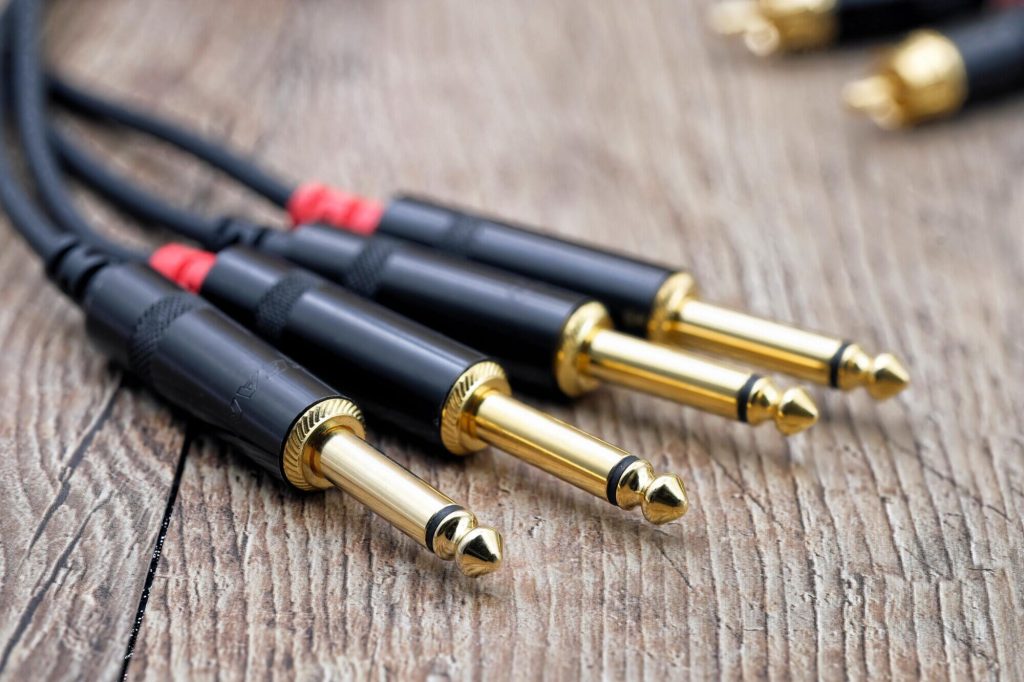
In a world where industries are constantly growing and evolving, ensuring that machines and systems work efficiently is crucial. One major component that plays a significant role in this process is the use of industrial connectors.
These connectors link power cables, allowing machinery to operate safely and reliably. Imagine a factory where machines work together seamlessly, without any interruptions. That’s the power of industrial connectors at work!
What Are Industrial Connectors?
Industrial connectors are specialized components designed to connect electrical devices, machines, or systems in an industrial setting. They provide a secure way to link equipment to power cables, ensuring that electricity flows without interruption.
There are various types of industrial connectors, including circular connectors, rectangular connectors, and more, each serving different purposes based on the application’s needs.
The Importance of Industrial Connectors
Using industrial connectors is essential for several reasons. First, they enhance safety by preventing electrical shorts and accidental disconnections. When machines are powered, a secure connection is vital to avoid dangerous situations.
Furthermore, industrial connectors are designed to withstand harsh environments, protecting against dust, moisture, and extreme temperatures, which helps to ensure reliable performance over time.
Safety First
In any industrial setting, safety is a top priority. Industrial connectors reduce the risk of electrical hazards. For example, improper connections can lead to sparks or fires, posing a significant threat to workers and equipment. By using the right connectors, industries can create safer working environments.
Durability and Reliability
Another benefit of industrial connectors is their durability. Unlike standard connectors used in homes, industrial versions are built to handle vibrations, shocks, and extreme conditions, ensuring long-term reliability. This durability means that factories and other industrial facilities can operate smoothly without frequent downtime due to connection failures.
Types of Industrial Connectors
There are several types of industrial connectors tailored for different applications. Here are some of the most common:
Circular Connectors
Imagine a robust, heavy-duty machine humming along an assembly line. The connectors that keep it running are likely circular, built to withstand the rigors of industrial use. In applications like machinery, motors, and control panels, these round connectors are the reliable choice.
Rectangular Connectors
Take a peek inside an electrical panel, and you’ll probably spot rectangular connectors doing their job. The rectangular shape makes them ideal for these tight spaces, where compact design is crucial. It’s no wonder they’re a staple in electrical panels.
Modular Connectors
Picture a bustling data center, where speed and efficiency are paramount. Modular connectors are the perfect solution, allowing multiple wires to converge and transmit data or signals at blistering speeds. This versatility makes them a go-to for high-density applications.
Terminal Blocks
Visualize a complex network of power cables, coming together at a single point. That’s where terminal blocks shine, connecting multiple cables and facilitating reconnections or distribution. These connectors are the unsung heroes of power management, keeping the lights on and the machines running smoothly.
Choosing the Right Industrial Connector
Choosing the right industrial connector is vital for ensuring optimal performance. Factors to consider include the type of machinery, the environment, and the specific requirements of the application. For instance, if machinery is exposed to moisture, selecting a waterproof connector is critical. Compatibility is also a key aspect; connectors must match both the equipment and the power supply they connect to.
Understanding Connector Ratings
Every industrial connector is assigned a rating that signifies its capacity to handle electrical current safely. This crucial rating serves as a safeguard against overheating and ensures the reliable operation of devices. To illustrate, consider an industrial connector rated for 10 amps.
In this case, it would be dangerous to connect a device that draws 15 amps, as this mismatch could lead to overheating, potentially causing the connector to melt or even catch fire. The consequences of ignoring this rating can be severe, resulting in equipment failure, downtime, and even safety risks for operators.
Think of it like a highway system: just as a highway has a maximum capacity to handle a certain volume of traffic, an industrial connector has a limited capacity to handle electrical current. Exceeding this capacity can lead to congestion, overheating, and ultimately, system failure.
By respecting the connector’s rating, manufacturers and operators can ensure the smooth and safe operation of their devices, preventing costly repairs, replacements, and accidents.
Real-World Applications of Industrial Connectors
Industrial connectors are used in a wide range of applications across various sectors. In manufacturing, they connect robotic arms and assembly lines to power sources, ensuring that production runs smoothly. In the energy sector, connectors link various components of power generation systems, ensuring reliable electricity distribution.
Automotive Industry
In the fast-paced world of automotive manufacturing, industrial connectors play a crucial role in powering assembly robots and facilitating seamless communication between various components of the production line. These connectors are the unsung heroes that ensure the smooth operation of robotic arms, welding guns, and other equipment that work tirelessly to assemble vehicles.
Their durability is paramount, as they must withstand the rigors of a manufacturing environment characterized by extreme temperatures, humidity, and vibrations. For instance, connectors used in the production of electric vehicles must be able to resist corrosion and maintain their integrity despite being exposed to moisture and salt.
Telecommunications
In the realm of telecommunications, reliable connections are the backbone of data transmission. Industrial connectors are indispensable for linking network equipment, such as routers, modems, and servers, to ensure data flows without interruptions. The slightest malfunction or disconnection can result in devastating consequences, including network downtime, data loss, and revenue loss.
For example, the 2012 Hurricane Sandy disaster that crippled the East Coast of the United States highlighted the importance of robust industrial connectors in maintaining telecommunication networks during natural disasters. By using high-quality connectors, telecommunication companies can minimize the risk of service disruptions and ensure uninterrupted communication for millions of users.
The Backbone of Electrical Systems
In conclusion, industrial connectors serve as the backbone of electrical systems in various industries. Their importance in providing safe, reliable connections cannot be overstated.
By choosing the right connectors for the task, industries can enhance safety, increase reliability, and ensure that their operations run smoothly. Whether you are dealing with factory equipment, power generation systems, or automated machinery, understanding the role of industrial connectors is key to success in today’s industrial landscape.
For more helpful tips, check out the rest of our site today.