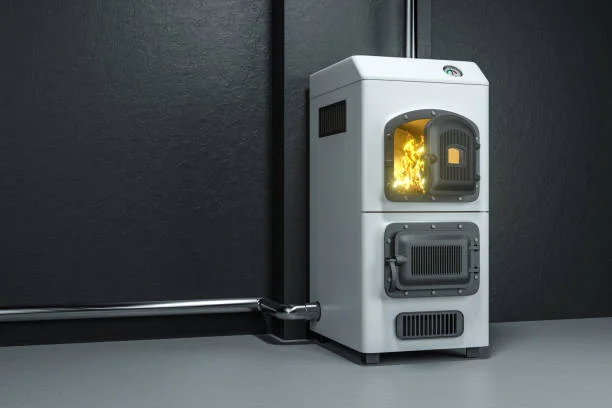
As winter approaches and temperatures fall, maintaining a warm and energy-efficient home becomes more important than ever. Many homeowners are surprised to learn that if their furnace is over 10–15 years old, it’s likely operating well below modern standards for efficiency and comfort. Modern heating systems offer not only reliable warmth but also significant cost savings and health benefits. If you’re considering whether it’s time for an upgrade, exploring your options for heating installation in Cincinnati, OH, can bring you one step closer to a cozy, efficient living space.
Older furnaces tend to waste a significant amount of energy and often struggle to maintain a comfortable temperature in every room. In contrast, today’s high-efficiency models are designed to maximize the return on every dollar spent on heating. In addition to comfort, contemporary systems provide health improvements and integrate seamlessly with the latest home technology—features that are increasingly in demand among modern homeowners.
Replacing an old furnace helps avoid expensive breakdowns and maintenance, saving money and maintaining home comfort. It also improves environmental impact by reducing emissions and may make you eligible for rebates or tax incentives, supporting your long-term financial stability.
Enhanced Energy Efficiency
Furnaces built over ten years ago usually operate at 60–70% efficiency, meaning much of your energy is wasted through the chimney. In contrast, the latest high-efficiency models achieve AFUE ratings of 90–98%, ensuring more fuel is converted into heat for your home. Upgrading to a furnace with a 95% efficiency rating can significantly reduce your annual heating costs. For some households, this upgrade can save $300 or more each year, according to the U.S. Department of Energy.
Discover a related post that reveals even deeper insights—don’t miss this read!
Consistent and Comfortable Heating
Uneven Heating and temperature swings are common complaints among those with older systems. Modern furnaces utilize technologies such as variable-speed blowers and staged burners, which enable gentle, customized adjustments. This minimizes hot and cold spots, making your home consistently comfortable, regardless of the outdoor conditions. If you’ve noticed one room is always frigid or overheated, an upgrade could mean whole-house comfort and better sleep at night.
Improved Indoor Air Quality
A furnace does more than heat your home—it also circulates air. Older systems can distribute dust, allergens, and pollutants accumulated over years of service, negatively impacting air quality. Current models often include advanced filtration and humidity control options, helping reduce respiratory issues and allergies by trapping harmful particles before they circulate throughout your space.
Reduced Operational Noise
Loud bangs, rattles, or persistent humming can indicate an aging furnace. Noise reduction is a hallmark of modern systems, with enhanced insulation and variable-speed motors that significantly decrease sound levels. For families with young children or light sleepers, the quieter operation of a new furnace brings lasting peace of mind and comfort.
Advanced Safety Features
Older furnaces may lack essential safety features, including automatic shutoff sensors and more robust venting, which can help minimize the risks associated with carbon monoxide or natural gas leaks. Up-to-date models integrate fail-safes and monitoring systems for safer operation, and many are compatible with smart detectors that instantly alert you to unsafe conditions, providing a critical layer of security for your household.
Compatibility with Smart Thermostats
Today’s heating systems are built to work hand-in-hand with smart thermostats that adapt to your lifestyle and adjust heating schedules remotely. These thermostats not only offer better control and convenience but also further reduce energy costs by learning your daily habits and automatically optimizing temperature settings. This “set it and forget it” technology ensures your home is always warm when you want it—without wasteful over-heating.
Environmental Benefits
With climate concerns in mind, installing a high-efficiency furnace is a practical way to reduce your home’s carbon footprint. By burning less fuel, these systems help lower greenhouse gas emissions and overall environmental impact. Many responsible manufacturers are committed to sustainability, so your upgrade helps drive broader eco-friendly change.
Financial Incentives
Switching to a modern furnace isn’t just good for your comfort and the environment—it’s also financially smart. Legislation such as the Inflation Reduction Act provides tax credits of up to 30% (up to $600) on qualified energy-efficient furnace installations, helping to recoup part of your investment upfront. Many local utilities and manufacturers also offer rebates, so be sure to check for available incentives in your area before making a purchase.
Conclusion
Upgrading to a modern furnace is a smart way to enhance your home’s comfort, lower your monthly expenses, and create a healthier environment for your family. While the initial cost may seem high, the long-term benefits, including quieter operation and reliable safety, make your investment worthwhile. When you’re ready to improve your home’s climate control, consulting with experts like SINA Heating & Cooling can help you select the perfect system for your specific needs. If your current system is aging or underperforming, switching now could yield immediate and lasting benefits throughout the heating season and beyond.
Explore more captivating content crafted to spark curiosity and keep you inspired.