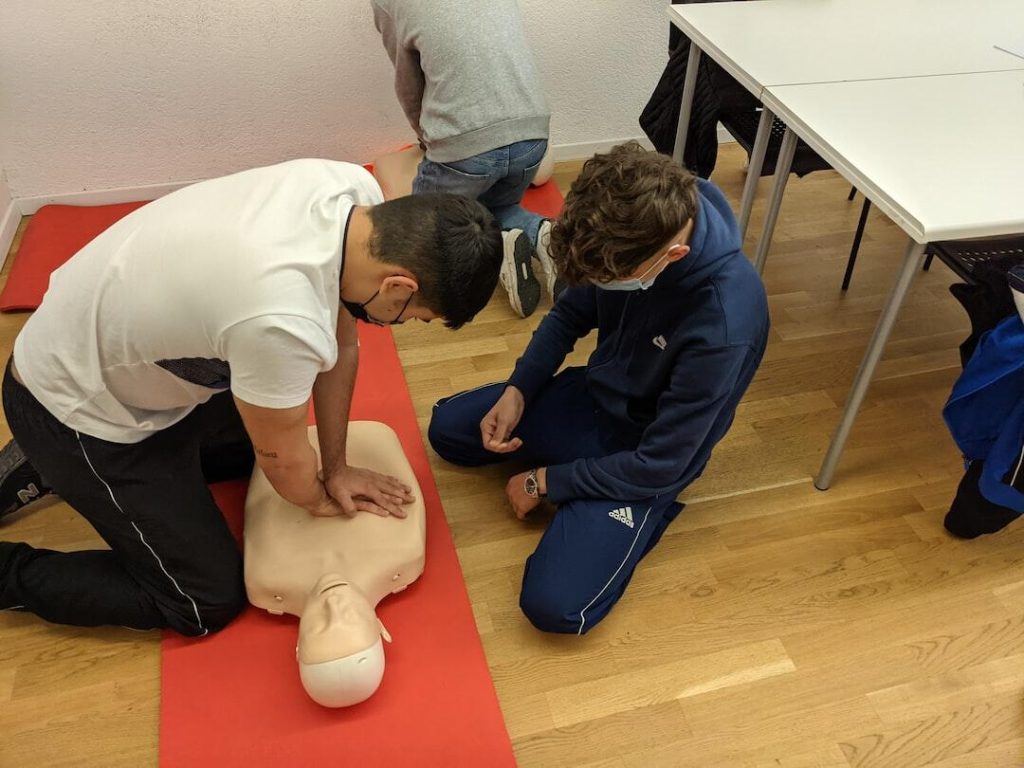
Are you ready to step in and help when it matters most?
CPR skills can be the difference between life and death in emergencies. True readiness means being confident and prepared to act immediately when every second counts.
Start building your CPR skills today and anchor your true readiness. Don’t wait for an emergency to test your abilities-take action now and be prepared to save a life.
Act Fast When Seconds Count
In an emergency, every second matters. Acting quickly can greatly increase the chance of saving a life. Knowing what to do helps you stay calm and focused. Hesitation can reduce the effectiveness of life-saving efforts.
Being prepared means recognizing an emergency immediately. Practicing CPR skills regularly trains you to respond fast. Quick action can make a difference between life and death. True readiness comes from both knowledge and confidence.
Save Lives Confidently
Knowing CPR gives you the confidence to help others in emergencies. Confidence allows you to act without panic. It improves your chances of performing CPR correctly. Being sure of your skills can save valuable time.
Regular practice builds both skill and confidence. When you feel ready, you can respond calmly and effectively. Saving lives becomes possible when you trust your training. True readiness comes from knowing you can make a difference.
Stay Calm Under Pressure
Remaining calm during an emergency helps you think clearly. It allows you to follow CPR steps without mistakes. Panicking can slow your response and reduce effectiveness. Staying focused keeps you and the patient safe.
Training and practice help you stay composed under pressure. When you remain calm, you can act quickly and correctly. This control improves the chances of saving a life. True readiness comes from both skill and a steady mind.
Recognize Cardiac Emergencies
Knowing the signs of a cardiac emergency is crucial. Early recognition allows you to act fast. Symptoms like sudden chest pain, shortness of breath, or fainting should not be ignored. Quick identification can save a life before help arrives.
Being aware of warning signs helps you respond with confidence. CPR skills become more effective when you know what is happening. The faster you act, the better the outcome for the patient. True readiness starts with understanding emergencies clearly.
Check Responsiveness Quickly
Always check if the person is responsive before starting CPR. Gently tap their shoulder and ask if they are okay. Quick assessment helps you decide the next steps. Acting fast can improve the chances of survival.
Knowing how to check responsiveness correctly is part of being prepared. It ensures you provide the right care without delay. CPR becomes more effective when you respond to the situation accurately. True readiness begins with knowing how to assess emergencies.
Open Airways Safely
Keeping the airway open is important for effective CPR. Tilt the head back gently and lift the chin. This helps the person breathe more easily. A clear airway increases the chances of survival.
Knowing how to open the airway safely is part of being prepared. Proper technique prevents further injury and allows oxygen to flow. Practicing this skill builds confidence in emergencies. True readiness means being able to act correctly and quickly.
Give Effective Chest Compressions
Push hard and fast in the center of the chest when giving CPR. Keep your hands in the correct position and use your body weight. Effective compressions help the heart pump blood. Consistent rhythm improves the chance of survival.
Practicing chest compressions regularly builds skill and confidence. Proper technique ensures you provide the best care possible. Every compression counts in an emergency. True readiness comes from knowing how to perform this life-saving step correctly.
Keep a Steady Compression Rhythm
Maintain a steady rhythm when performing chest compressions. A consistent pace helps the heart pump blood effectively. Too fast or too slow can reduce the chances of success. Staying steady improves the overall effectiveness of CPR.
Practicing regularly helps you keep the right rhythm under pressure. Using a count or a song can guide your pace. A steady rhythm ensures each compression works properly. True readiness comes from combining skill with control and focus.
Perform CPR on Adults, Children, and Infants
CPR techniques differ for adults, children, and infants, so it is important to know the right method for each. Adults require firm compressions, while children and infants need gentler pressure. Learning the correct approach can save lives in any age group. Practicing these skills builds confidence and readiness.
Taking American Heart Association CPR courses helps you learn the proper techniques for all ages. These courses teach you how to adjust compressions and breaths safely. Being prepared for any situation ensures you can act quickly. True readiness means knowing how to respond to emergencies for everyone, young or old.
Use an AED Effectively
Using an AED can save lives during sudden cardiac arrest. Turn it on and follow the voice prompts carefully. Place the pads correctly on the person’s chest. Quick and proper use increases the chances of survival.
Learning to operate an AED is part of being fully prepared. Regular practice helps you respond calmly in an emergency. The device works best when used without hesitation. True readiness comes from knowing how to combine CPR and AED use effectively.
Respond to Choking Emergencies
When someone is choking, quick action can save their life. Encourage them to cough if they can breathe. If breathing stops, give back blows or abdominal thrusts carefully. Acting fast prevents serious injury or worse.
Learning how to respond to choking emergencies is part of being prepared. Practicing these skills helps you stay calm and confident. Proper response can make a real difference in an emergency. True readiness comes from knowing exactly what to do when seconds matter.
Learn All About CPR Skills
Learning CPR skills gives you the power to save lives in critical moments. Practicing regularly helps you stay confident and ready for any emergency.
By understanding and mastering CPR, you can make a real difference when it matters most.
Did you enjoy reading this article? If so, then be sure to check out the rest of our blog for more!