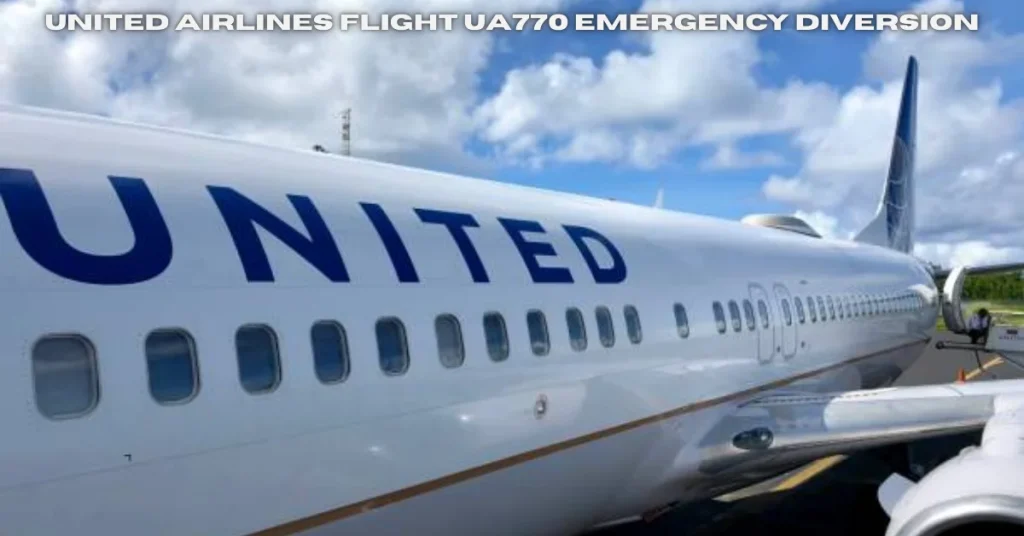
Introduction to United Airlines Flight UA770
On a routine day in the skies, United Airlines Flight UA770 found itself at the center of an unexpected incident. As passengers settled into their seats for a smooth journey, few could have predicted that they would soon be part of an emergency diversion story that would make headlines. An alarming situation unfolded mid-flight, prompting quick action from the crew and raising questions about safety protocols. What does it mean when an aircraft issues an Emergency Diversion Alert? How did this particular flight navigate its challenges? Let’s unravel the complexities surrounding United Airlines Flight UA770 and understand what led to this critical moment in aviation history.
What is an Emergency Diversion Alert?
An Emergency Diversion Alert is a critical notification issued during flights when an aircraft must change its intended landing destination. This alert signals potential risks that require immediate attention from the flight crew and air traffic control.
Such diversions can stem from various factors. Medical emergencies, technical malfunctions, or severe weather conditions may necessitate the abrupt change in route. Safety remains the top priority in these situations.
When an emergency diversion occurs, pilots assess the situation quickly. They communicate with ground staff to prepare for safe arrival at an alternate airport. Passengers are often informed about what’s happening, but details can vary based on circumstances.
Understanding this concept highlights how airlines prioritize passenger safety above all else. It also underlines the complexities of aviation operations and the need for thorough training among airline personnel.
Timeline of the Flight’s Emergency Diversion
The timeline of United Airlines Flight UA770’s emergency diversion unfolded rapidly. The flight took off from John F. Kennedy International Airport, bound for Los Angeles.
Shortly after departure, the crew reported an unexpected issue. This prompted immediate action to prioritize passenger safety.
Within minutes, the aircraft began a descent towards an alternate airport. Communication with air traffic control was constant and clear during this critical phase.
As the plane descended, passengers were informed about the situation in a calm manner. Cabin crew ensured everyone remained secure and collected throughout the ordeal.
Once on approach to the chosen airport, preparations for landing intensified. Emergency vehicles awaited on standby as a precautionary measure.
Finally touching down safely marked a sigh of relief for all aboard. The entire process showcased both urgency and professionalism amidst uncertainty.
Possible Reasons for the Diversion
Emergency diversions can occur for a variety of reasons. In the case of United Airlines Flight UA770, mechanical issues are often a primary concern. A sudden malfunction could prompt pilots to divert to ensure passenger safety.
Weather conditions also play a significant role in these decisions. Severe turbulence or storms along the planned flight path may lead crews to seek out calmer skies elsewhere.
Medical emergencies present another potential trigger. If a passenger requires immediate medical attention, diverting is sometimes the safest choice for everyone on board.
Security threats cannot be overlooked. Any indication of an issue that compromises safety must be addressed quickly and decisively by the flight crew. Each situation demands careful assessment in real-time, emphasizing their crucial role during such events.
Impact on Passengers and Airline Operations
The emergency diversion of United Airlines Flight UA770 created a ripple effect that affected many passengers. Anxiety filled the cabin as uncertainty loomed during the flight’s unexpected turn. Travelers grappled with worries about connecting flights and missed appointments.
Ground staff scrambled to accommodate those impacted. Rerouting, rebooking, and providing assistance became priorities for United Airlines. The airport buzzed with activity as teams worked tirelessly to manage passenger needs.
Airline operations faced challenges too. Disruptions in scheduling led to delays across multiple routes. Crews had to adjust quickly, maintaining safety protocols while ensuring that other flights remained on track.
Such incidents remind everyone involved—airlines, crew, and travelers alike—of the unpredictable nature of air travel. It’s crucial for airlines to have robust contingency plans ready at all times when emergencies arise.
Response from United Airlines
United Airlines acted promptly in response to Flight UA770’s emergency diversion. Their response emphasized transparency and passenger safety.
The airline issued a statement acknowledging the situation, expressing concern for those on board. They assured that they were fully committed to investigating the incident thoroughly.
Customer service teams were mobilized to assist affected passengers immediately upon landing. United provided accommodations and rebooking options, working diligently to minimize disruption in travel plans.
Social media channels remained active as updates flowed regarding the status of flights and services. This open line of communication aimed to keep travelers informed during this unexpected event.
United Airlines also encouraged feedback from passengers who experienced the incident first-hand. Listening to their customers is vital for improving future operational protocols and enhancing overall passenger experience.
Lessons Learned and Future Precautions
The emergency diversion of United Airlines Flight UA770 serves as a critical learning moment for aviation safety. It highlights the importance of real-time communication between flight crews and ground control. Clear protocols can make all the difference in stressful situations.
Training for pilots must continually evolve to address emerging risks. Simulated scenarios could better prepare crews for unexpected challenges, enhancing their decision-making skills under pressure.
Additionally, transparency with passengers is vital during emergencies. Providing timely updates can alleviate anxiety and build trust in the airline’s capabilities.
Airlines should invest in technology that aids navigation and offers quick access to alternative landing sites when needed. Improved systems would not only enhance safety but also streamline operations during unforeseen events.
Conclusion
The events surrounding the United Airlines Flight UA770 emergency diversion serve as a reminder of the challenges faced in aviation. Understanding what an emergency diversion alert entails and examining the timeline helps clarify how quickly circumstances can change in-flight.
Passengers experienced significant disruptions, raising questions about safety protocols and airline operations during critical situations. The response from United Airlines reflects their commitment to transparency and passenger care, demonstrating how airlines handle unexpected emergencies.
As we reflect on this incident, it’s clear that there are valuable lessons to be learned. Continuous improvement in flight safety measures is essential for ensuring traveler confidence. As technology evolves, so too must our strategies for managing unforeseen events in air travel.
The story of UA770 will resonate with many who witnessed or were affected by its course. It emphasizes the importance of preparedness and communication within the aviation industry as they strive for safer skies ahead.