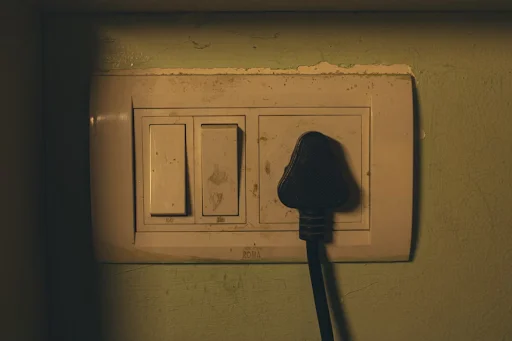
Your home’s electrical system should feel simple, safe, and efficient. With a few smart updates, you can trim energy costs, reduce risks Home Electrical Systems, and make daily life run more smoothly without taking on complicated projects. These tips focus on practical wins you can handle yourself or plan with a pro.
You don’t need a full remodel to see real results. Start with changes that deliver quick payback, then map out medium upgrades that stack benefits. As you move through this guide, pick the steps that match your home, your budget, and your comfort level.
Upgrade Lighting The Smart Way
Modern LED bulbs are the easiest place to begin, and they make a bigger difference than most people expect. Swap out frequently used bulbs first, like kitchen, living room, and exterior fixtures, because those hours add up. Choose warm or daylight tones to match the mood of each space and keep the look consistent across rooms.
Pay attention to lumens, not just watts, so you match brightness instead of guessing. Dimmable LEDs paired with compatible switches let you fine-tune light levels for comfort and savings. A recent Energy Department overview notes that household lighting can represent a meaningful share of electricity use, and LED choices can dramatically cut consumption and annual costs.
Don’t forget task lighting where you actually work and read. A focused lamp at a desk or a strip under cabinets means you can use less overhead light Home Electrical Systems. This targeted approach reduces glare, adds comfort, and keeps extra fixtures from running when you don’t need them.
Right-Size Your Electrical Panel And Circuits
Today’s homes often power EV chargers, induction ranges, heat pump water heaters, and workshop tools. If lights dim when big appliances start, or breakers trip under normal use, you may be outgrowing your current panel. A licensed electrician can assess capacity, label circuits clearly, and plan upgrades that match your future needs.
Think of your panel like a traffic manager for electricity. Balanced circuits keep power flowing smoothly and reduce nuisance trips. Finding Trusted Electrical, Heating & Cooling Services in Houston, TX, or other places matters because planning and installation quality determine both safety and performance. A tidy, well-labeled panel makes troubleshooting faster and keeps surprises to a minimum.
If you are planning a major appliance change, evaluate the load before you buy. Ask about dedicated circuits for items like microwaves, disposals, and space heaters. With a clear map of what runs where, you’ll avoid daisy-chaining power strips and prevent hidden overloads.
Tame Plug Loads And Phantom Power
Electronics draw power even when they seem off. Game consoles, streaming boxes, chargers, and printers sip energy all day if they stay plugged in. Smart power strips let you group devices, switch them off together, and schedule downtime overnight Home Electrical Systems.
Look for built-in timers or occupancy sensors to shut things down automatically. This avoids the hassle of chasing cords around the room and makes savings steady rather than hit or miss. You’ll also reduce heat buildup around electronics, which can extend their lifespan in the long run.
Create a simple charging station and plug it into one controllable strip. Use it for phones, tablets, and small gadgets. This keeps cords organized, limits always-on adapters, and makes it easy to cut power with a single button.
Optimize Thermostats And Air Circulation
Heating and cooling are usually the largest energy users at home. A smart thermostat learns your patterns, trims waste when you are away, and reports helpful trends you can act on. Set reasonable schedules and let gradual temperature changes do the work instead of big swings that strain equipment.
Air movement changes how temperatures feel, so make ceiling fans part of the plan. In summer, set them to spin counterclockwise to create a breeze that helps you raise the thermostat a couple of degrees without losing comfort. In winter, a low clockwise setting pushes warm air down and reduces cold spots.
Seal the simple leaks you can reach Home Electrical Systems. Weatherstrip around doors, caulk gaps at window frames, and insulate attic hatches. It’s easier for your HVAC to maintain an even temperature when conditioned air stays inside. This steady airflow takes pressure off your electrical system by shortening equipment run times.
Add Layers Of Electrical Safety
Ground-fault circuit interrupters protect people from shock in wet or damp areas. Make sure kitchens, bathrooms, laundry rooms, garages, and outdoor outlets include GFCI protection. Test reset buttons several times a year to confirm they trip and restore correctly.
Arc-fault protection helps catch dangerous arcing that can lead to fires. Many newer panels use combination AFCI breakers that cover multiple risks on bedroom and living-area circuits. If your home is older, talk to a pro about targeted upgrades where cords tend to get pinched, furniture moves often, or extension cords have become permanent.
Whole-house surge protection adds a strong safety net for electronics and appliances. It sits at the panel and absorbs large voltage spikes before they reach sensitive devices. Pair it with point-of-use protectors at your computer and entertainment center for a defense-in-depth approach.
Plan For Efficient Appliances And Future Loads
When an appliance is near the end of its life, choose an efficient replacement that fits your home’s wiring and space. Check the nameplate for voltage and amperage so you avoid last-minute circuit surprises. Right-sized equipment usually costs less to run and often performs better day to day.
If you are moving toward electrification, map it out. An induction cooktop, heat pump dryer, and heat pump water heater each change your load profile. By sequencing purchases, you can spread costs and schedule any panel work alongside appliance swaps.
Leave room for the near future. Maybe an EV charger, backyard office, or a hobby tool will join the mix next year. A simple conduit or spare breaker space planned now can save a service call later, keeping installation tidy and disruption low.
Your electrical system doesn’t need to be mysterious to work well. Start with lighting and simple controls, then move to panel planning and layered protection. As these changes stack up, comfort improves, risk drops, and your monthly bills get lighter.
A quick note on lighting upgrades is worth repeating. Energy experts point out that household lighting can make up a noticeable slice of electricity use, and modern LEDs can slash that load while lowering annual costs. Lean into the easiest wins first and enjoy the steady benefits that follow.
Keep the journey going—explore more content designed to expand your knowledge.