
Turning a blank piece of land into a home takes more than a floor plan. It calls for a clear path that moves from due diligence to design empty plots, then from permitting to punch lists, without losing sight of budget, risk, or timeline. With the right sequence, you can turn an empty plot into a place that feels considered and complete.
These 6 steps lay out a practical roadmap. Each one builds on the last, so decisions stack cleanly, surprises are limited, and crews can stay productive. Follow them in order, adapt them to your site, and you will see dirt become a doorstep in a steady, confident way.
Verify Zoning And Feasibility
Start with the rules that govern the dirt. Confirm zoning, setbacks, height limits, lot coverage, easements, floodplain status, and HOA covenants. A quick chat with the planning department is helpful, but pulling written code sections and recorded plats gives you proof you can rely on.
Test what the land will support. Order a boundary and topo survey, a geotechnical report if slopes or soils raise questions, and a wetlands or tree survey where required. This information shapes the footprint, foundation type, and drainage plan empty plots before you fall in love with a drawing.
Map constraints against your goals. If code limits height to 30 feet, choose roof forms and plate heights that fit. If a utility easement clips the rear yard, shift outdoor living to a side court. Good feasibility work saves months later and protects the budget at the point of highest leverage.
Secure Utilities And Site Access
Plan how power, water, sewer or septic, gas, and communications will reach the house. If municipal services are available, confirm tap fees, meter sizes, and lead times. For rural sites, test well yield, size the septic system from bedroom count, and note reserve areas for future expansion.
Access matters as much as utilities. Verify legal access with title documents, then design a driveway that meets fire code turning radii and slope limits. Stabilize construction entrances early with base rock so heavy trucks do not rut the site or track mud onto public roads.
Bring your team into this conversation early. Pros can sequence trenching, rough grading, and utility runs so the site stays workable, which reduces rework, shortens trenches, and keeps inspections grouped for efficiency empty plots, as the Borowske Builders explain. When utilities and access are solved up front, the rest of the schedule flows.
Plan And Design For The Land
Design the site rather than forcing the site to match the plan. Orient main living spaces to light and views, and place service spaces on the less desirable sides. Use rooflines, overhangs, and window selection to manage sun, wind, and privacy.
Right-size the structure to the lot and neighborhood. A home that fits its context will appraise more cleanly, attract future buyers, and feel timeless. The balance program works with the true cost of added square footage, remembering finishes and mechanical systems scale with every extra foot.
Lock the details that drive cost and schedule. Select foundation type based on soils, choose framing systems, and specify exterior materials early. This turns concept drawings into buildable documents, lets trades price accurately, and reduces change orders that slow the field.
Permits, Financing, And Contracts
Submit a complete permit set to avoid cycles of corrections. Include civil, structural, energy compliance, erosion control, and any special studies required by your jurisdiction. Respond fast to plan review comments so the clock keeps moving empty plots.
Pick the financing approach that fits your risk tolerance. Some owners use cash, while others secure a construction-to-permanent loan that converts once the home is complete. Lenders typically release funds in draws against milestones, so align your payment schedule with your builder’s cost curve.
Set expectations in writing. A clear contract, detailed scope, allowances with real market pricing, and a change-order process help everyone stay on the same page. A national builders association study in early 2025 reported an average new-home construction cost of $162 per square foot, which underscores why clarity around scope and selections is important to protect budgets and timelines.
Build With Smart Scheduling And Quality Control
Sequence the work so trades do not trip over each other. Start with site work and foundations, then framing, rough-ins, and exterior closures to reach dry-in fast. Inside, move from rough mechanicals to insulation and drywall, then to finishes in a logical order.
Inspect what you expect. Use checklists at foundation, framing, mechanical rough, insulation, and pre-drywall. Confirm flashing details, penetrations, and air sealing before they vanish behind finishes. Many small checks early prevent expensive fixes later.
Keep communication tight. Hold weekly site meetings, share 3-week look-ahead schedules, and document decisions with photos and notes. When the team sees the path, materials arrive on time, surprises get managed, and the job keeps its rhythm.
Finish Strong – Inspections, Handover, And Landscaping
Group municipal inspections efficiently. Close out rough inspections before insulation, then pass final trades and building inspection with a tidy, safe site. If an item is red-tagged, fix it quickly and request reinspection without derailing the rest of the work.
Prepare a thoughtful handover. Create a binder or digital folder with manuals, warranties, paint codes, and appliance info. Walk the home with blue tape for touch-ups, then complete a 30-day and 11-month follow-up list so small items do not linger.
Complete the exterior with the same care as the interior. Final grading should carry water away from the foundation, planting should respect root and drip lines, and hardscape should reinforce flow between inside and out. A balanced landscape makes the home feel grounded and finished.
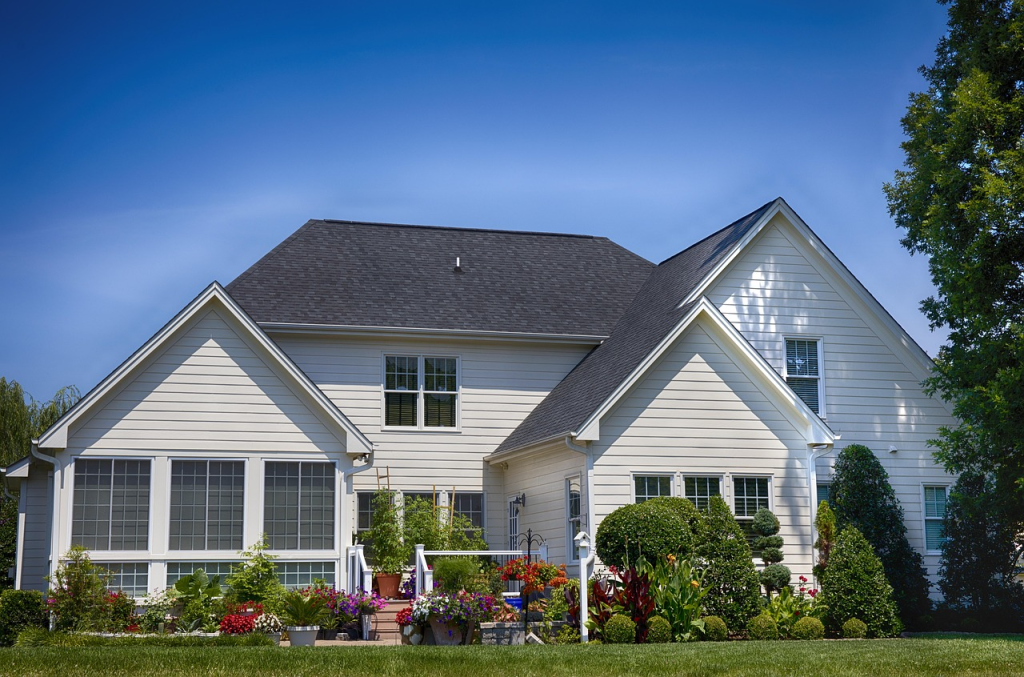
Bringing a home out of bare ground is a long series of small, smart moves. When you respect the land, plan with purpose, and keep communication steady empty plots, the build becomes less about firefighting and more about steady progress.
Follow these 6 steps, adapt them to your plot, and stay honest about budget, time, and scope. The result is a place that fits the site, works for daily life, and holds up over years of seasons and memories.
Keep discovering—more insights, ideas, and tips that matter to you today at 2A Magazine.