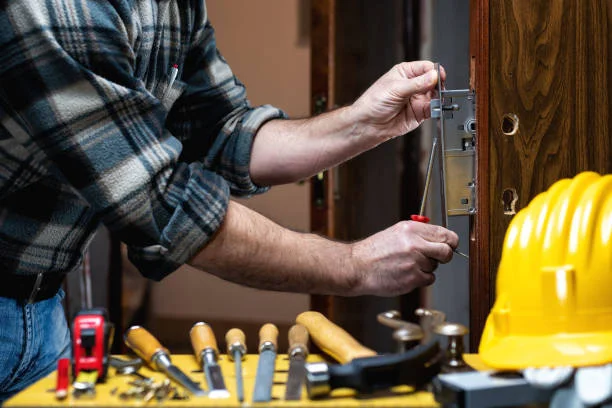
Locksmithing exists as a field that requires both technical skills and precise work methods. The people who want to work with locks, keys, and security systems need to learn specific skills that help them solve problems effectively. The profession involves much more than opening locked doors. The job requires people who need to understand how devices function and handle equipment, and offer dependable answers to all types of locking mechanisms.
The people who read guides such as How to Become a Locksmith discover that specific skills form the essential base that leads to success in this field. The educational resource available at howtobecomealocksmith.org shows that beginners develop confidence through complete technical knowledge and dedicated practice. By concentrating on essential skills aspiring professionals will achieve a trustworthy and satisfying career path in locksmith services.
Lock Knowledge
The locksmith profession requires understanding all lock systems because different locks operate through distinct mechanisms. Professionals use their lock structure knowledge to find problems, which they solve through proper repair and unlocking methods. Various internal designs exist for locks that require unique installation and maintenance methods for each system.
Students need to dedicate themselves to studying until they successfully learn about these mechanisms. The training resource at howtobecomealocksmith.org delivers reliable information that helps users understand lock structures and security principles. Beginners develop problem-solving skills through their understanding of pins and cylinders and internal components.
Core Skills
Several abilities form the technical foundation of locksmith work. Developing these capabilities helps learners improve accuracy and confidence while handling different locking mechanisms.
• Understand internal lock structures and identify small mechanical components with careful observation.
• Use professional tools correctly to open locks without causing structural damage.
• Recognize different key patterns and match them with suitable locking mechanisms.
• Study mechanical principles that explain how locking systems operate effectively.
• Maintain precision during repair work to ensure smooth lock performance.
Tool Handling
Locksmiths require particular equipment for their profession because they need to unlock doors and produce keys, and repair damaged locks. Correct tool operation enables workers to complete their work while maintaining safety standards. Beginners must learn how each instrument functions and how to apply it carefully during lock servicing.
Many learners begin researching How to Become a Locksmith while studying equipment usage and safety practices. Training programs listed on howtobecomealocksmith.org/ explain to professionals how to use their tools in a manner that protects security systems from damage. Consistent practice helps learners develop steady hand control and technical accuracy.
Learning Focus
Aspiring locksmiths need training programs, together with ongoing education programs to achieve their professional goals. Learners need to build educational foundations before they start learning advanced techniques.
• Study lock mechanism diagrams to understand how internal components interact during operation.
• Practice controlled tool movement while opening training locks for skill improvement.
• Read instructional resources that explain modern security systems and key technologies.
• Observe professional demonstrations to learn safe repair and maintenance methods.
• Review mechanical principles regularly to strengthen long-term technical understanding.
Problem Solving
Locksmith work often involves unexpected situations where quick thinking is necessary. A damaged lock or misplaced key needs logical reasoning to determine the proper solution. The professionals assess the locking system design to identify the optimal solution method. The research about becoming a locksmith shows that professionals in this field need to develop strong reasoning abilities. Educational platforms like https://www.howtobecomealocksmith.org/ highlight how analytical thinking helps professionals approach each task carefully. The beginners develop their technical problem-solving skills through lock mechanism study and troubleshooting practice.
Work Discipline
Consistent work habits help locksmiths maintain accuracy and reliability during their tasks.
Developing discipline ensures that every lock service is completed carefully and responsibly.
• Organize tools properly before beginning any lock repair or installation activity.
• Follow structured procedures to avoid mistakes while working with delicate lock components.
• Maintain patience during complex lock adjustments that require precise attention.
• Check completed work carefully to confirm that the locking mechanism operates correctly.
• Continue learning new security techniques to remain knowledgeable about modern locking systems.
Client Trust
Locksmith services depend on trust as the essential element for their work because experts need to access security systems that safeguard important property. The combination of transparent communication and trustworthy work methods creates confidence between locksmiths and their clients.. The locksmith establishes long-lasting trust with his customers through his detailed explanation of the repair process and his complete execution of work duties. The professionals use transparent operations to establish their business reputation while they maintain the security of their client information. The professionals need trust-building skills to achieve success in their work because technical expertise serves as their primary requirement.
Skill Mastery
Locksmithing expertise development needs dedicated learning efforts, together with continuous practice activities. Aspiring locksmiths establish their future development through studying lock mechanisms, learning to control tools, developing their problem-solving skills, and upholding their professional standards. The educational resources on How to Become a Locksmith, together with structured training programs, help beginners to discover their best learning methods. Through ongoing practice and trustworthy guidance, people can acquire essential skills to operate contemporary locking systems and create secure security solutions.