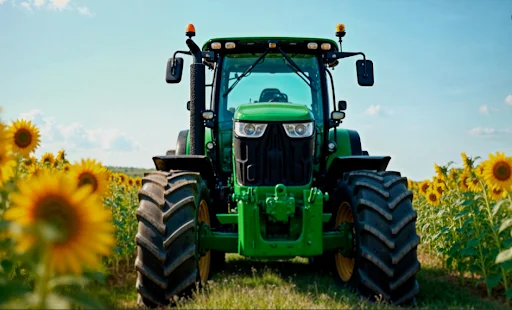
Introduction to Radial Tyres for Tractor
What Are Radial Tyres?
Radial tyres for tractors are designed with advanced engineering where the internal cords run perpendicular to the direction of travel. This unique structure allows the tyre to flex more efficiently, providing better contact with the ground. Unlike traditional tyres, radial tyres distribute weight evenly, which improves both performance and durability. If you’ve ever wondered why modern tractors perform more smoothly and efficiently, the answer often lies in the tyre technology beneath them. These tyres are not just components; they are performance boosters that directly impact farming productivity.
Importance in Modern Agriculture
In today’s fast-paced agricultural environment, efficiency is everything. Farmers are constantly looking for ways to improve yield while reducing operational costs. This is where radial tyres for tractors come into play. They enhance traction, reduce soil compaction, and improve fuel efficiency. Imagine working long hours in the field with tyres that reduce drag and improve grip—it’s like upgrading from a basic tool to a high-performance machine. With increasing demand for agricultural tyre information, understanding these tyres has become essential for modern farmers.
Principles Behind Radial Tyre Technology
Radial Construction Explained
The core principle of radial tyres lies in their construction. The plies run radially from one bead to another, forming a 90-degree angle with the tread. This design allows the sidewalls to flex independently of the tread, resulting in better shock absorption and stability. It’s similar to how a suspension system works in vehicles—absorbing impact while maintaining control. This flexibility improves ground contact, ensuring consistent traction across various terrains.
Difference Between Radial and Bias Tyres
Bias tyres have crisscrossed plies, making them stiffer and less flexible. While they are durable, they lack the adaptability of radial tyres. Radial tyres outperform bias tyres in almost every aspect—fuel efficiency, lifespan, and soil protection. Think of bias tyres as old-school tools and radial tyres as modern precision instruments. The difference is not just technical; it’s practical and noticeable in everyday farming operations.
Key Features of Radial Tyres for Tractor
Flexible Sidewalls
One of the standout features of radial tyres is their flexible sidewalls. This flexibility allows the tyre to absorb shocks and adapt to uneven surfaces. It reduces stress on the tractor and improves operator comfort. Over time, this also minimizes wear and tear on machinery, making it a cost-effective investment.
Wide Footprint Design
Radial tyres have a larger contact area with the ground, often referred to as a wide footprint. This feature distributes the tractor’s weight more evenly, reducing soil compaction. For farmers, this means healthier crops and better yields. It’s like walking on sand with flat shoes instead of heels—the pressure is spread out, causing less damage.
Advanced Tread Patterns
Modern radial tyres come with advanced tread designs that enhance grip and durability. Patterns like those found in RG-09 and RP 09 models are specifically engineered for high traction and long life. These designs ensure that the tyres perform well in both wet and dry conditions.
Types of Agricultural Tyres
Tractor Front Rib Tyres
Tractor front rib tyres are designed for steering precision. They have ribbed patterns that provide stability and control, especially during turning. These tyres are essential for maintaining direction and balance in farming operations.
Backhoe Loader Tyre
Backhoe loader tyres are built for heavy-duty tasks. They offer excellent load-bearing capacity and durability. These tyres are commonly used in construction and agricultural settings where strength and reliability are crucial.
Container Handler Tires
Container handler tires are specialized tyres designed for handling heavy loads in industrial and agricultural environments. They provide stability and strength, ensuring safe and efficient operations.
Agricultural Tires Overview
Agricultural tires include a wide range of tyres designed for different farming needs. From plowing to harvesting, each tyre type serves a specific purpose. Understanding these categories helps in making informed decisions.
Benefits of Using Radial Tyres
Fuel Efficiency
Radial tyres reduce rolling resistance, which directly improves fuel efficiency. Over time, this leads to significant cost savings. It’s like driving a car that consumes less fuel while delivering better performance.
Soil Protection
Soil compaction is a major concern in agriculture. Radial tyres minimize this issue by distributing weight evenly. This protects the soil structure and promotes healthier crop growth.
Increased Traction
Better ground contact means improved traction. This allows tractors to operate efficiently even in challenging conditions like mud or loose soil.
Methods to Choose the Right Tyre
Farm Type Consideration
Different farms require different tyres. For example, wet fields need tyres with better grip, while dry fields require durability. Choosing the right tyre depends on your specific farming needs.
Load Requirements
Understanding the load capacity is crucial. Heavy machinery requires tyres that can handle significant weight without compromising performance.
Weather and Terrain Factors
Weather conditions and terrain play a major role in tyre selection. Radial tyres are versatile and perform well across various environments.
Comparison with Competitors
Radial vs Bias Tyres
Radial tyres offer better performance, longevity, and efficiency compared to bias tyres. They are more advanced and suitable for modern farming needs.
Radial Tyres vs Standard Agricultural Tires
While standard agricultural tires are functional, radial tyres provide superior benefits in terms of technology and performance.
Maintenance Tips for Longevity
Proper Inflation
Maintaining the correct tyre pressure is essential. Under-inflated or over-inflated tyres can reduce performance and lifespan.
Regular Inspection
Regularly checking for wear and tear ensures that the tyres remain in optimal condition.
Future Trends in Agricultural Tyres
Smart Tyre Technology
The future of tyres includes sensors that monitor pressure and performance in real-time.
Sustainable Materials
Eco-friendly materials are being used to manufacture tyres, reducing environmental impact.
Conclusion
Radial tyres for tractors are revolutionizing modern agriculture. They offer unmatched performance, efficiency, and durability. Whether you’re using tractor front rib tyres, backhoe loader tyres, or specialized models like RG-09 and RP 09, the benefits are clear. Investing in the right tyres is not just a choice—it’s a strategy for long-term success in farming.
FAQs
1. What are radial tyres for tractor used for?
Radial tyres are used to improve traction, reduce soil compaction, and enhance fuel efficiency in agricultural operations.
2. How do radial tyres differ from bias tyres?
Radial tyres have perpendicular plies, offering better flexibility and performance compared to the crisscross design of bias tyres.
3. Are radial tyres suitable for all terrains?
Yes, they are versatile and perform well in various terrains including wet and dry fields.
4. What is RG-09 tyre?
RG-09 is a tread pattern designed for high traction and durability in agricultural applications.
5. What is RP 09 tyre?
RP 09 is another advanced tread design known for stability and long-lasting performance.
6. What are tractor front rib tyres?
These tyres are used for steering and provide better control and stability.
7. How do radial tyres improve fuel efficiency?
They reduce rolling resistance, जिससे less fuel is consumed during operation.
8. What are backhoe loader tyres used for?
They are used in heavy-duty applications requiring strength and durability.
9. How often should tractor tyres be inspected?
Regular inspection is recommended every few weeks or before heavy use.
10. Do radial tyres last longer?
Yes, they generally have a longer lifespan compared to traditional tyres.
11. What are container handler tires?
These are heavy-duty tyres designed for handling large loads in industrial settings.
12. Why is soil compaction important?
Reducing soil compaction helps maintain soil health and improves crop yield.