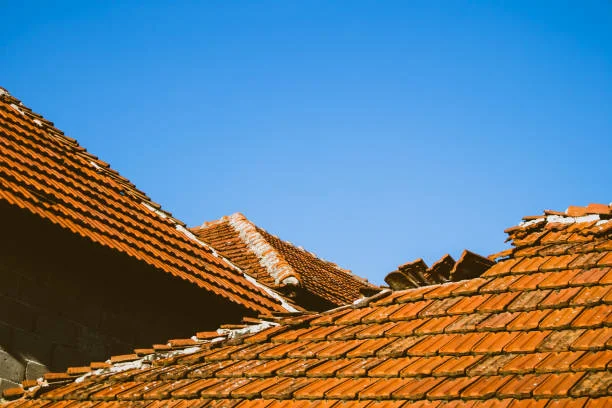
You probably want the short answer so here it is. The most common roof problems are leaks, damaged flashing, ice dams, and poor ventilation, and the only real way to avoid them is through proactive maintenance and catching small issues before they become disasters. Neglecting your roof is like ignoring a check engine light that eventually blows up your car engine, except this engine costs between $11,500 and $30,000 to replace. That is a lot of money. It is painful to spend that kind of cash on something you barely look at. But if you keep your gutters clean, check your attic airflow, and get a pro up there once a year, you can usually dodge the bullet.
I remember buying my first place and thinking the roof was just this indestructible shield. It isn’t. It’s a complex system of layers and chemistry and physics that is constantly fighting a losing battle against the sun and rain. I learned that the hard way. Hopefully, you won’t have to.
Leaks and Flashing Failures
Water is the enemy. It is persistent and it always wins eventually. Leaks are the number one reason homeowners panic, and rightfully so. You see a stain on the ceiling and your stomach drops. But here is the thing. The leak rarely starts right above that stain. Water travels along beams and pipes, making the source hard to pinpoint.
Most of the time, the culprit is the flashing. This is the thin metal strip installed around chimneys, vents, and skylights. It is supposed to seal the seams. But over time, the caulk dries out or the metal corrodes. Sometimes it just pulls away because the house settles. If you see rust spots or gaps around your chimney, you have a problem. Fixing a bit of flashing is cheap. Fixing a rotted rafter is not.
I think people assume shingles are the main defense, but flashing is the goalie. If the goalie takes a nap, you lose. Inspect these areas annually. Just look for cracks or rust. It’s not rocket science.
The Ice Dam Nightmare
If you live in a cold climate, you might dread winter for this exact reason. Ice dams are nasty. They happen when warm air escapes from your living space into the attic, warming the roof deck. The snow melts, runs down to the cold eaves, and refreezes. This creates a dam. The water behind it has nowhere to go but up and under your shingles.
Berzolla notes that this forces water back into the home, and he is right. It causes massive interior damage. I’ve seen walls that look like they’re sweating because of this. The fix isn’t hacking at the ice with a shovel, which is dangerous and usually breaks the roof. The fix is inside. You need better attic insulation and ventilation to keep the roof deck cold. Keep the heat where you live, not in the attic.
Ventilation Is Not Optional
This brings me to ventilation. It is perhaps the most misunderstood part of roofing. You might think, “Why do I want holes in my roof?” You need them. Without proper intake through the soffits and exhaust through the ridge, your attic becomes an oven.
In the summer, temperatures up there can fry your shingles from the bottom up. It cooks them. This leads to blistering and premature aging. I have walked into attics that felt hotter than a sauna in July. That heat has to go somewhere. If it doesn’t, your shingles might curl or crack years before their warranty is up. Check that your vents aren’t blocked by insulation. It happens more often than you think.
Storm Damage and Wind
We can’t control the weather. Hail and wind are responsible for a huge chunk of insurance claims—about 25% of them are non-catastrophic wind and hail damage. In places like Texas, which sees nearly 900 hail events a year, it is brutal. Hail hits the roof and bruises the shingle. You might not see it from the ground. It looks like a dark spot where the granules have been knocked off.
Wind is different. It lifts the shingles. Once a shingle is creased, it’s done. It loses its seal. The next storm will rip it off completely. If you have been through a big storm, don’t assume everything is fine just because you don’t see a hole. Get it checked. Impact-resistant shingles are a thing now, and they are worth looking into if you live in the storm belt.
Gutters and Debris Buildup
I hate cleaning gutters. Everyone hates cleaning gutters. But clogged gutters are a roof killer. When leaves and muck pile up, water can’t drain. It backs up onto the roof edge, rotting the fascia boards and the decking. It creates a swampy mess right where your roof is most vulnerable.
Plus, the weight of wet leaves can pull the gutters right off the house. I’ve seen it happen. It’s messy and expensive to fix. Trees are part of this too. Overhanging branches are bad news. They drop debris directly onto the roof and, in a storm, they can snap and punch a hole right through your living room ceiling. Keep trees trimmed back. It’s simple preventive care.
Shingle Granule Loss
Have you ever looked in your gutter downspout and seen a pile of sand? Those are granules. They protect the asphalt in the shingle from UV rays. Once they are gone, the sun eats the asphalt alive. The shingle dries out and cracks.
Some granule loss is normal for a new roof, but if your roof is ten years old and shedding like a husky in summer, that is a sign of failure. It means the roof is nearing the end of its life. Asphalt shingles cover 75% of homes in North America, so this is a widespread issue. Don’t ignore the sand. It is telling you something.
Moss and Algae Growth
You have probably seen roofs with black streaks or green fuzzy patches. That is algae or moss. Algae is mostly cosmetic, but it looks terrible. Moss is worse. It holds moisture against the surface of the roof. Over time, that moisture works its way into the shingle and can cause rot.
You can clean this, but be careful. Pressure washing a roof is a terrible idea. It blasts the granules right off. Use a specialized cleaning solution or install zinc strips that release metal ions when it rains to kill the growth. It’s a slower process but it won’t destroy your roof.
Structural Sagging
This one is scary. A roof should be straight. If you look at the ridge line and it looks like a swayback horse, you have structural issues. This could be from too much weight—like too many layers of shingles from previous reroofs—or it could be undersized rafters or water damage that has weakened the wood.
Sagging is not a DIY fix. It requires serious carpentry. If you see this, call a pro immediately. Ignoring it is dangerous. Roofs are heavy, and if the structure is compromised, collapse is a real possibility, especially under a snow load.
The Age Factor
Nothing lasts forever. Not even a well-built roof. The average asphalt roof lasts about 20 to 25 years. If yours is pushing 30, you are on borrowed time. Old shingles become brittle. They lose their flexibility. They break when the wind blows.
Insurance companies know this. They are getting stricter about covering older roofs. Some won’t even write a policy for a roof over 20 years old without a full inspection. If you know your roof is old, start saving. Prices are projected to rise 3-5% annually, so waiting doesn’t save you money. It just costs you more later.
Finding the Right Help
Roofing is dangerous work. It has one of the highest fatality rates in construction. Falling off a roof is not how you want to spend your weekend. That is why hiring a professional is usually the smart move. They have the gear and the experience to spot things you will miss.
When you hire a roofing contractor, make sure they are insured and local. You want someone who will be there if a problem pops up six months later. Don’t just go with the guy who knocks on your door after a storm. Do your homework. A good inspection can save you thousands by catching a cracked boot or a loose shingle before the next rain.
Final Thoughts
I know dealing with roof problems isn’t fun. It’s stressful and it’s expensive & it feels like money down the drain. But your home is likely your biggest investment. Protecting it starts at the top. You don’t have to be an expert to walk around your house with a pair of binoculars and look for trouble spots.
Take a look at your flashing. Check the attic for dampness Roof Problems. Clean those gutters even if you hate it. A little bit of effort now saves a massive headache later. It’s just part of owning a home. You fix things, you maintain things, and you hope for the best. That’s really all we can do.
Explore more expert ideas designed to strengthen your next big move at 2A Magazine.